
By Riffat Kausar
SNN News Finland
An 11-year-old boy in Pennsylvania has been charged as an adult with criminal homicide after authorities say he fatally shot his adoptive father following an argument over a video game.
The case has raised serious questions about child access to firearms, parental responsibility, and the growing intersection between juvenile behavior and adult criminal law.
Incident Overview: What Happened
According to investigators, the incident occurred late at night after the child’s parents instructed him to go to bed shortly after midnight. The boy reportedly became angry after his Nintendo Switch was taken away as a disciplinary measure.
Law enforcement officials state that the child then went searching for the gaming device, which he believed was stored inside a gun safe within the family home. During that search, he allegedly found the keys to the safe. Instead of locating the console, he discovered a revolver.
Authorities say the child used the firearm to shoot his adoptive father, Douglas Dietz, 42, resulting in fatal injuries. Paramedics confirmed that he had died at the location before being transported to a hospital.
Charges and Court Proceedings
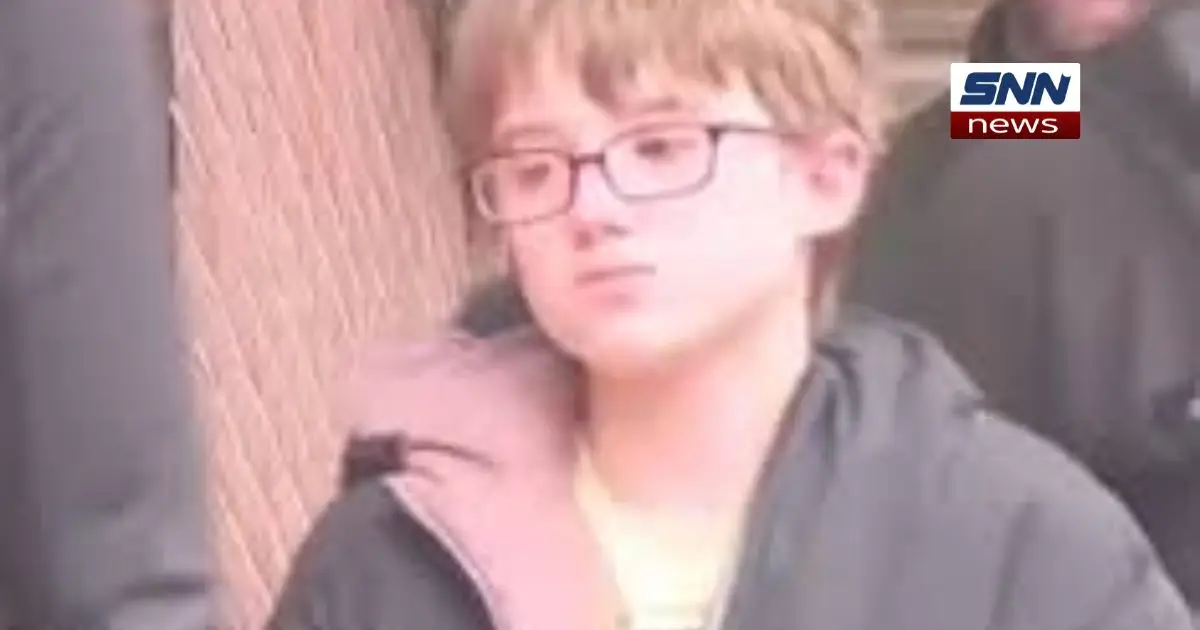
The child, identified by prosecutors as Clayton Dietz, has been charged with criminal homicide and is being prosecuted as an adult under Pennsylvania law. He appeared in court on the same day, where he was seen in handcuffs during the initial hearing.
Under Pennsylvania statutes, juveniles can be tried as adults in cases involving serious violent offenses, including homicide. Prosecutors argue that the severity of the crime and the use of a firearm meet the legal threshold for adult charges, despite the defendant’s young age.
The court has not yet ruled on whether the case could be transferred back to juvenile court, a decision that would significantly affect sentencing options and detention conditions.
Legal Context: Juveniles Tried as Adults
Trying minors as adults remains one of the most controversial aspects of the U.S. criminal justice system. Supporters argue it is necessary in extreme cases to ensure accountability and public safety. Critics, however, emphasize that children lack the emotional maturity, impulse control, and cognitive development of adults.
Legal experts note that adult charges expose juveniles to harsher penalties and long-term consequences, including extended incarceration and permanent criminal records.
In homicide cases, courts often weigh factors such as intent, access to weapons, and family environment before determining how a case should proceed.
The case has sparked renewed debate over juvenile justice laws and firearm safety in family homes.
Firearm Access and Home Safety Concerns
This case has renewed public debate around gun storage and child safety. While the firearm was reportedly kept in a safe, investigators confirmed that the child was able to access both the keys and the weapon.
Safety advocates stress that firearms should be stored unloaded, locked, and inaccessible to children, with keys or codes secured separately.
An 11-year-old now faces adult homicide charges following a deadly shooting inside his home.
Studies consistently show that unsafe storage significantly increases the risk of accidental or intentional shootings involving minors.
Key safety recommendations often include:
- Using biometric or combination safes instead of key-based locks
- Storing ammunition separately from firearms
- Educating children about firearm dangers
- Regularly reviewing household safety practices
- 11-Year-Old
Broader Social Impact
The incident has drawn national attention because of the child’s age and the circumstances surrounding the shooting. Experts in child psychology say the case highlights deeper issues,
including emotional regulation in children, disciplinary practices, and the influence of technology-related conflicts within families.
Law enforcement officials caution against oversimplifying the tragedy as a dispute over a video game.
They emphasize that access to a lethal weapon turned a moment of anger into a fatal outcome, underscoring the importance of layered safety measures in homes with children.
Community and Public Response
Community members have expressed shock and grief, describing the incident as a tragic failure on multiple levels. Child welfare advocates are calling for increased education for parents on secure firearm storage and early intervention strategies for behavioral issues in children.
Meanwhile, the legal process continues as courts determine the appropriate path forward in a case that sits at the intersection of juvenile justice, family safety, and criminal accountability.
What Happens Next
The court is expected to review psychological evaluations, family background information, and forensic evidence in the coming weeks.
A decision on whether the child will continue to be tried as an adult or transferred to juvenile court remains pending.
As the case unfolds, it is likely to influence broader discussions on gun safety laws, juvenile prosecution standards, and the responsibilities of adults to prevent children from accessing deadly weapons.
The outcome will not only determine the future of one child but may also shape policy conversations far beyond Pennsylvania.
Read more about juvenile crime cases and child safety measures in the U.S.
About The Author