
By Riffat Kausar
Snn News Finland
Washington Signals Readiness to Resume Talks if Iran Returns to Original Framework
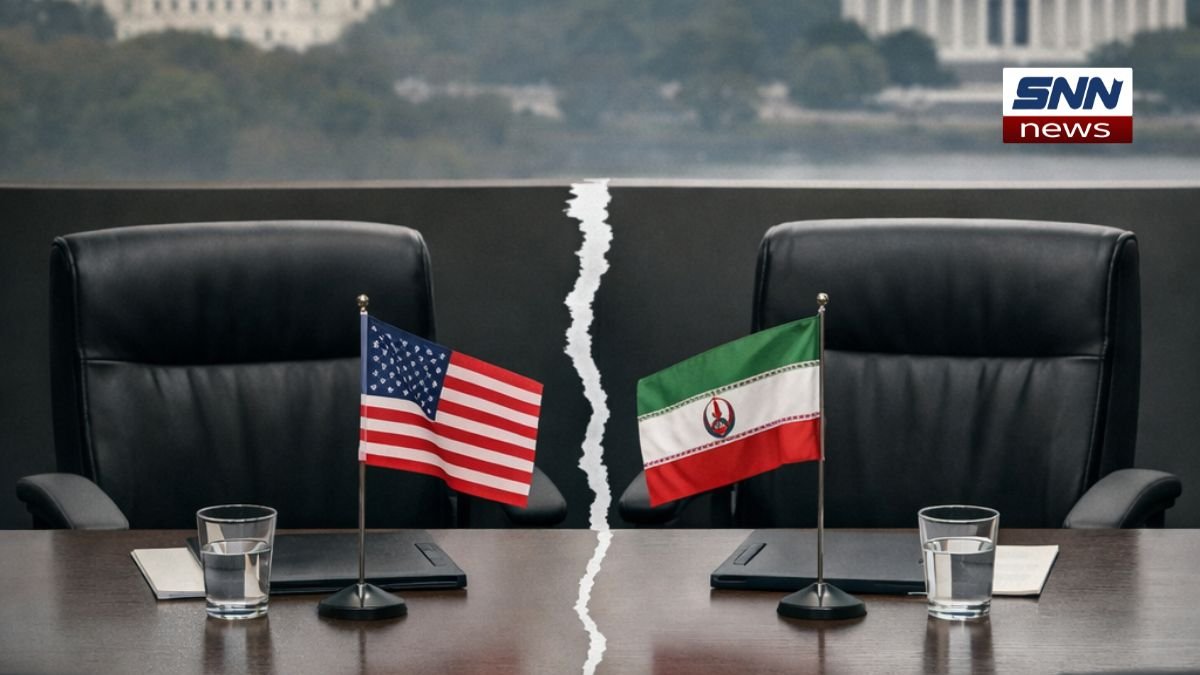
Talks scheduled for Friday between the United States and Iran have been canceled after Washington rejected Tehran’s demands to change both the location and format of the negotiations, according to a report by Axios, citing U.S. officials.
The cancellation marks a new setback in already fragile diplomatic efforts between the two long-time adversaries and raises concerns about the future direction of U.S.–Iran relations.
U.S. officials warned that the current impasse could close off diplomatic options and increase pressure on President Donald Trump to consider alternative measures, including military responses, if tensions continue to escalate.
Disagreement Over Format Leads to Cancellation
According to Axios, Iranian officials sought last-minute changes to the agreed framework of the talks, including where the meeting would take place and how it would be structured. U.S. officials declined those requests, stating that Washington was not prepared to renegotiate the basic terms that had already been accepted by both sides.
As a result, the meeting was called off entirely.
A senior U.S. official told Axios that the United States remains open to diplomacy but only under the originally agreed conditions. A senior U.S. official said Washington remains prepared to hold talks later this week or early next week if Iran agrees to revert to the originally agreed negotiation
Diplomatic Efforts at a Critical Juncture
The canceled talks were widely viewed as a potential step toward easing heightened tensions between Washington and Tehran, particularly over Iran’s nuclear program, regional influence, and sanctions. The breakdown underscores the fragile state of diplomacy and the deep mistrust that continues to shape interactions between the two governments.
U.S.–Iran relations have remained strained since Washington withdrew from the 2015 nuclear agreement, formally known as the Joint Comprehensive Plan of Action (JCPOA). Since then, negotiations have repeatedly stalled over compliance issues, sanctions relief, and verification mechanisms.
The latest cancellation highlights how procedural disagreements such as venue and format can derail even preliminary diplomatic engagement.
U.S. Concerns Over Escalation
U.S. officials privately warned that the continued stalemate could have serious consequences. According to Axios, some within the administration believe that the failure of diplomatic efforts could narrow President Trump’s options, potentially increasing the likelihood of military action if tensions rise further.
While no immediate military plans were announced, officials emphasized that diplomacy remains the preferred path—but only if Iran engages under mutually agreed terms.
Opportunities for diplomacy are fleeting, and action must be taken quickly if talks are to succeed,” a U.S. official cautioned, signaling the urgency for both sides to return to the negotiating table.
Iran’s Position Remains Unclear
Iranian authorities have not publicly responded in detail to the report, and it remains unclear why Tehran sought changes to the format and location of the talks. Analysts suggest the move could reflect internal political pressures within Iran or strategic calculations aimed at gaining leverage in negotiations.
Iran has consistently called for the removal of U.S. sanctions and has criticized Washington for what it describes as a lack of seriousness in negotiations. Tehran also maintains that it will not accept talks conducted under pressure.
Broader Regional and Global Implications
The collapse of the talks comes at a sensitive time for regional security in the Middle East. Rising tensions involving Iran, U.S. allies, and regional conflicts have increased concerns among international observers about miscalculation or unintended escalation.
Diplomatic efforts involving Iran are closely watched by European governments, regional powers, and global markets, given the potential impact on energy supplies and regional stability.
Experts note that even limited diplomatic engagement can help manage crises and reduce the risk of confrontation. The cancellation of the talks, however, signals how difficult it remains to bridge gaps between the two sides.
What Happens Next?
Despite the setback, U.S. officials stressed that diplomacy has not been abandoned entirely. Washington has indicated that it is prepared to resume discussions quickly if Iran agrees to return to the original framework.
Key points going forward include:
- Whether Iran signals willingness to re-engage under the previously agreed terms
- How long Washington is prepared to wait before reassessing its approach
- The role of intermediaries or third countries in facilitating renewed talks
- Potential reactions from U.S. allies and regional partners
For now, the cancellation underscores the uncertainty surrounding U.S.–Iran diplomacy and the challenges of sustaining dialogue amid deep political and strategic differences.
A Narrow Path Forward
The failure to hold the scheduled talks reflects a broader pattern in U.S.–Iran relations, where progress is often fragile and easily reversed. While both sides publicly express openness to dialogue, disagreements over process and trust continue to derail negotiations.
As international attention remains focused on whether diplomacy can still prevail, the coming days may prove decisive in determining whether the two sides can return to the table—or whether the diplomatic window continues to close.
Stay updated on U.S.–Iran developments and other global diplomacy news — subscribe to our newsletter for timely alerts.
About The Author