
By Shumaila Aslam
Scandinavian News Finland
Bureau Chief Pakistan
Understanding Beauty Through a Broader Lens
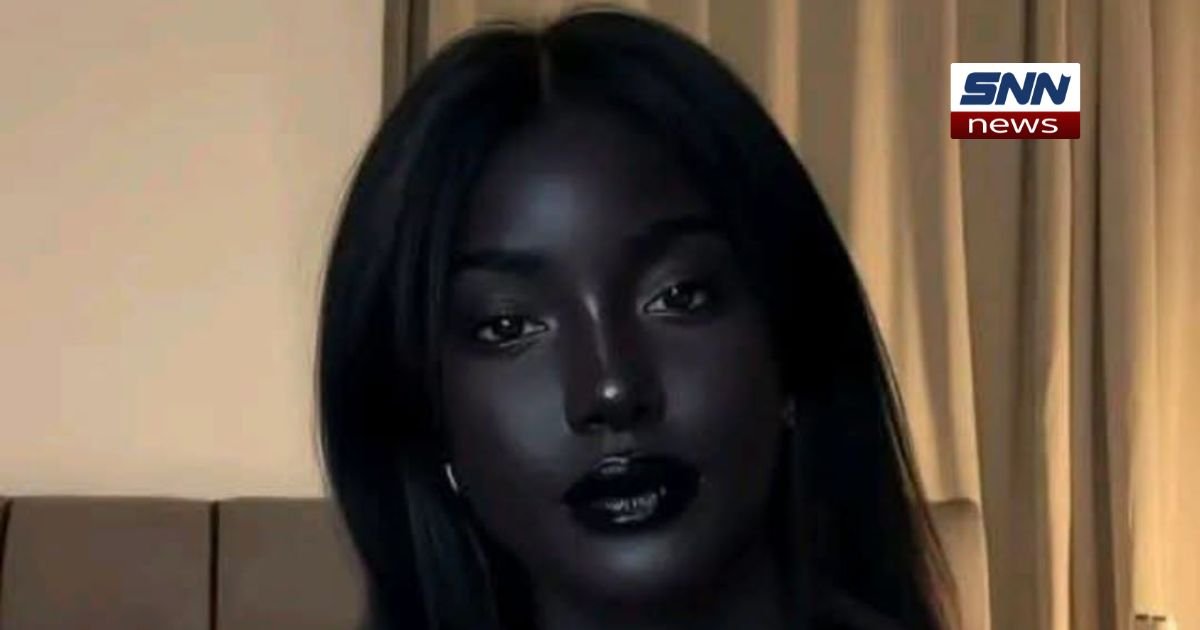
Across cultures, religions, and societies, the idea of beauty has often been narrowly defined by skin color, race, or physical appearance. Yet history, philosophy, and lived human experience consistently point to a deeper truth: beauty is not confined to color or ethnicity. It is a universal human quality shaped by character, dignity, confidence, and the way individuals carry themselves in the world.
This perspective is increasingly relevant in a globalized era where societies are more diverse and interconnected than ever before. Conversations around inclusion, representation, and respect have challenged outdated standards and encouraged a more meaningful understanding of human worth.
Cultural and Religious Perspectives on Beauty
Many religious and philosophical traditions emphasize that creation itself is diverse by design. In Islamic teachings, diversity in appearance, language, and culture is often described as a sign of wisdom rather than division. The idea that all human beings are created with purpose reinforces the belief that no single color or race defines beauty.
Across other belief systems, similar values appear. From Eastern philosophies that focus on inner harmony to Western humanist ideals that prioritize dignity and equality, the message remains consistent: beauty is not exclusive, nor is it superficial.
The Problem With Color-Based Standards
Modern media and historical biases have played a significant role in shaping unrealistic and often harmful beauty standards. For decades, lighter skin tones and specific facial features were disproportionately represented in advertising, film, and fashion. These portrayals influenced public perception and, in many cases, affected self-esteem and social attitudes.
Such standards have had real-world consequences, including:
- Marginalization of individuals based on appearance
- Reinforcement of racial stereotypes
- Psychological pressure, particularly on women and young people
- Social divisions rooted in perceived physical differences
Experts in social psychology note that beauty standards are learned behaviors, not inherent truths. As societies evolve, these standards can and do change.
Shifting Narratives in a Global Society
In recent years, there has been a noticeable shift toward more inclusive representation. International media platforms, cultural movements, and social discussions increasingly highlight individuals of diverse backgrounds, celebrating authenticity rather than conformity.
This change reflects a broader recognition that beauty exists in many forms and cannot be reduced to a single visual ideal. Confidence, compassion, intelligence, and resilience are now widely acknowledged as qualities that enhance how beauty is perceived.
Human Value Beyond Appearance
At its core, the discussion about beauty is inseparable from the concept of human value. When beauty is defined narrowly, it risks reducing individuals to their physical traits. When understood broadly, it reinforces respect, equality, and shared humanity.
Sociologists emphasize that societies which embrace diversity tend to foster stronger social cohesion. Recognizing beauty beyond race or color encourages empathy and reduces prejudice, contributing to healthier communities.
Public Impact and Social Relevance
This evolving understanding has implications beyond personal belief. It influences education, workplace culture, media representation, and public policy. Inclusive narratives help shape environments where individuals are judged by their abilities and actions rather than their appearance.
In countries with multicultural populations, such discussions are particularly important. They help counter discrimination and promote social harmony by affirming that difference is not a weakness but a collective strength.
A Universal Message
The idea that beauty is independent of race or color is not new, but it remains deeply relevant. It challenges long-standing biases and invites societies to reassess how worth is measured. By acknowledging diversity as an inherent part of human existence, this perspective promotes dignity and mutual respect.
Ultimately, beauty is not defined by complexion or origin. It is reflected in character, presence, and the shared humanity that connects people across borders and cultures. Recognizing this truth is not only a moral stance but a step toward a more inclusive and understanding world.
This perspective reinforces the universal human belief that dignity and beauty exist beyond color, race, and physical differences.
About The Author