
By Hammad Kahlun
Scandinavian News Finland
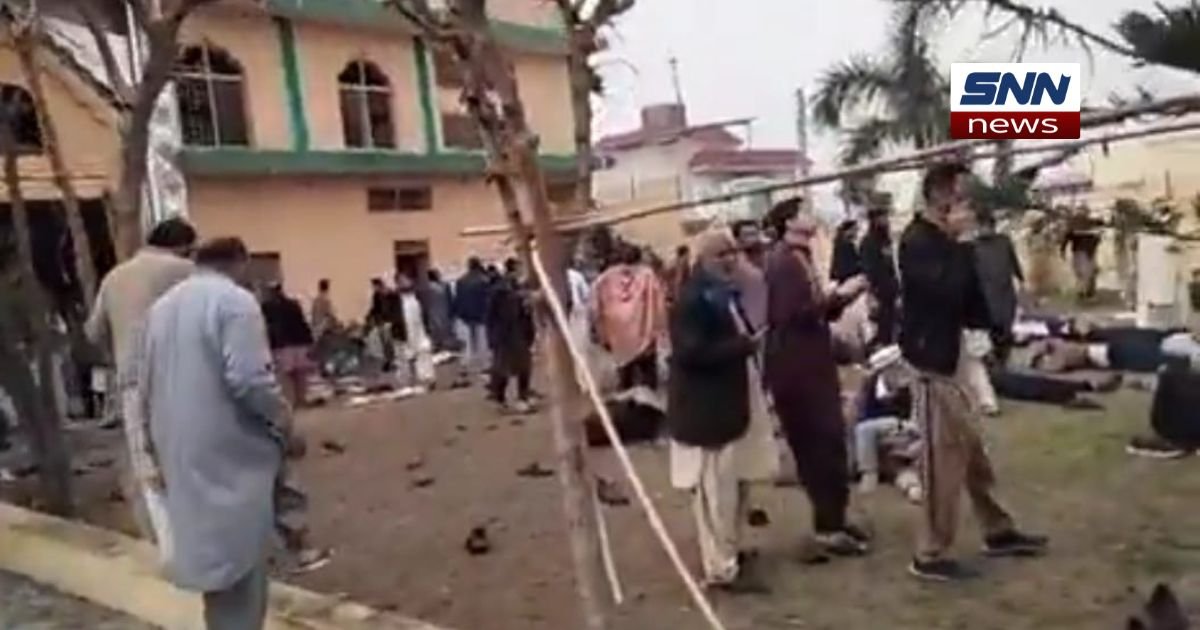
Islamabad, Pakistan – A devastating attack struck a Shia mosque in Islamabad on leaving at least five people dead and more than 20 injured, local authorities confirmed.
The incident occurred at the gate of an Imam Bargah in Tarlai, a suburb of Islamabad, when a suicide bomber detonated explosives after entering the premises. Officials warn that casualties may rise as rescue operations continue.
Details of the Attack
According to preliminary reports, the bomber forced his way into the Imam Bargah before detonating the explosives.
Eyewitnesses described a loud explosion that shook the surrounding area, causing panic among worshippers attending the mosque. Emergency services immediately arrived on the scene, transporting the injured to nearby hospitals.
- Location: Imam Bargah, Tarlai, Islamabad
- Casualties: At least 5 dead, 20+ injured
- Method: Suicide bombing at mosque entrance
- Response: Police, rescue teams, and hospital emergency staff deployed
Authorities are investigating whether additional attackers were involved, though no group has claimed responsibility for the attack as of now. Security forces have cordoned off the area to secure evidence and prevent further incidents.
Background and Context
Islamabad, Pakistan’s capital, has previously faced targeted attacks on religious minorities, particularly Shia communities. Imam Bargahs, which serve as centers of worship and community gatherings, have occasionally been targeted by extremist groups seeking to incite sectarian violence.
- In 2013, a similar attack on a Shia mosque in Quetta claimed over 80 lives.
- Sectarian violence in Pakistan has historically targeted Shia Muslims through bombings, assassinations, and armed assaults.
- Tarlai is a predominantly Shia-populated area, making it a sensitive location for security monitoring.
Experts warn that such attacks are designed to create fear and disrupt communal harmony. The government has repeatedly pledged to enhance security around places of worship, especially during religious gatherings.
Immediate Response from Authorities
Following the blast, Islamabad’s police and emergency services swiftly responded:
- Area Secured: Police cordoned off the mosque and surrounding streets.
- Victim Evacuation: Injured worshippers were taken to nearby hospitals, including Holy Family Hospital and Pakistan Institute of Medical Sciences (PIMS).
- Investigation Launched: Counterterrorism officials are investigating explosives type, bomber identity, and potential network connections.
- Public Safety Alerts: Local authorities warned residents to avoid the area and remain vigilant.
Authorities are also reviewing CCTV footage from the mosque premises to identify any accomplices or security lapses.
Public Impact and Reactions
The attack has sparked widespread condemnation from Pakistani political leaders, religious groups, and civil society. Social media users expressed shock and grief over the violence targeting a religious site.
- Prime Minister’s Office released a statement condemning the bombing and vowed that perpetrators will be brought to justice.
- Local community leaders called for calm and urged residents to maintain peace while authorities conduct investigations.
- Humanitarian organizations are coordinating support for the victims and their families.
The incident underscores the ongoing threat posed by extremist groups in Pakistan and highlights the vulnerabilities faced by minority communities during religious observances.
Security Measures and Preventive Steps
In response to the attack, Islamabad authorities have taken the following preventive measures:
- Increased police patrols in sensitive areas
- Security checks at religious centers and Imam Bargahs
- Deployment of bomb disposal squads in high-risk locations
- Coordination with intelligence agencies to monitor potential threats
Security analysts suggest that enhanced intelligence sharing and stricter enforcement around public gatherings are critical to preventing future attacks.
Broader Context
Sectarian violence remains a persistent challenge in Pakistan, with Shia Muslims frequently targeted by extremist organizations. Despite government efforts, sporadic attacks continue to create fear and insecurity in religious communities.
- Human rights groups have urged stronger protective measures for minority communities.
- Experts warn that failure to secure places of worship may embolden militant groups and escalate sectarian tensions.
The Islamabad bombing serves as a grim reminder of the ongoing struggle to safeguard religious freedom and protect citizens from targeted violence.
“Read more on recent sectarian attacks in Pakistan and government efforts to enhance community safety.”
About The Author