
Second Senior Iranian Diplomat in Europe Defects as Pressure Mounts on Tehran
Vienna-Based Chargé d’Affaires Leaves Post Amid Growing Diplomatic Departures
A second high-ranking Iranian diplomat stationed in Europe has defected, signaling increasing strain within Iran’s diplomatic corps as international pressure and internal dissent continue to rise.
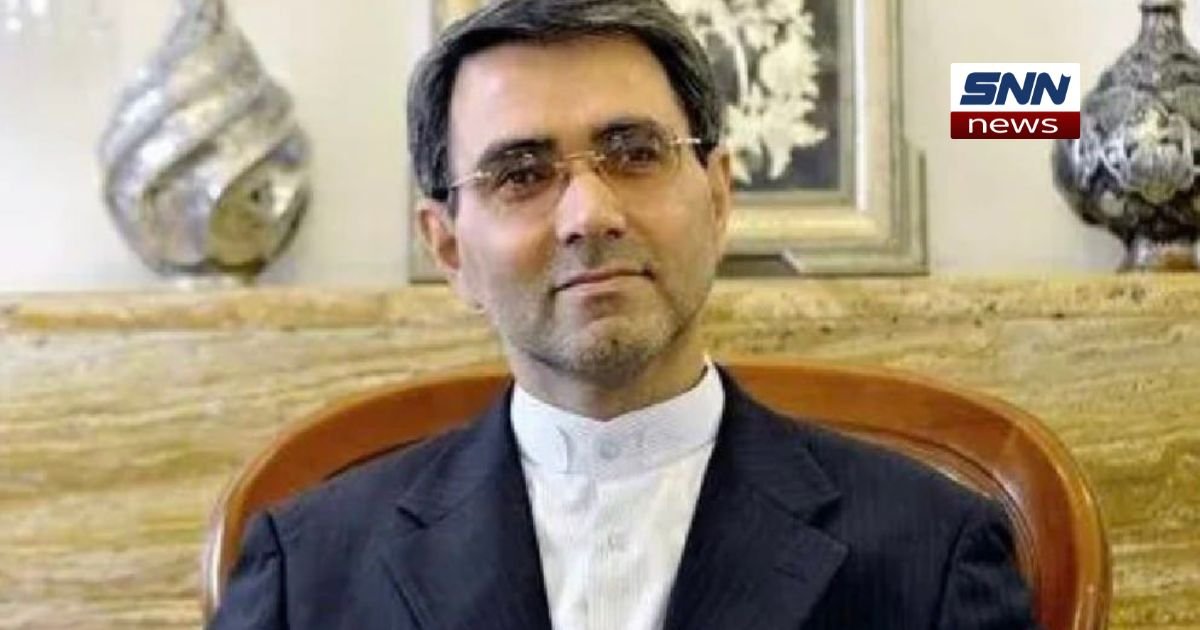
Gholamreza Derikvand, Iran’s chargé d’affaires in Vienna, has left his position and severed ties with the Islamic Republic, according to informed diplomatic sources.
His departure follows the recent defection of Alireza Jeyrani Hokmabad, a senior Iranian diplomat who was based at the United Nations’ European headquarters in Geneva and sought asylum in Switzerland last month.
The back-to-back defections of senior officials represent a rare but notable development with in Iranian Diplomat tightly controlled foreign service and reflect broader uncertainty about the future of the ruling system in Tehran.
Growing Pattern of Diplomatic Defections
Derikvand’s decision to abandon his post in Austria places him among a small but growing number of Iranian diplomats who have chosen to defect while serving abroad.
As chargé d’affaires, Derikvand was Iranian Diplomat top diplomatic representative in Vienna, a city that also hosts several major international organizations and has long been a key hub for Iran’s diplomatic engagement with Europe.
His defection comes at a sensitive time for Tehran, which is facing heightened scrutiny over its nuclear program, regional activities, and human rights record.
Diplomats posted in Europe are often at the center of these discussions, placing them under intense professional and political pressure.
Just weeks earlier, Alireza Jeyrani Hokmabad, a senior diplomat assigned to Iranian Diplomat mission in Geneva, applied for asylum in Switzerland.
His case drew attention because of his role at the United Nations’ European offices, where Iran regularly faces criticism from human rights bodies and international observers.
Fear for Families Still in Iran
According to sources familiar with the situation, several other Iranian diplomats serving in Europe and elsewhere are also considering defection but have not yet made their decisions public. The primary reason for the delay is concern for family members who remain in Iran.
The Iranian Diplomat authorities have a documented history of exerting pressure on relatives of dissidents, activists, and defectors. This has made public defections particularly risky for officials whose families still live under the control of the state.
Diplomatic insiders say that some officials have quietly distanced themselves from Tehran while continuing to perform their duties, waiting for what they believe may be a safer moment to formally break ties.
Internal Disillusionment Within the Foreign Service
The recent defections point to deeper disillusionment within Iran’s professional diplomatic ranks. Career diplomats, many of whom joined the foreign service decades ago, are increasingly skeptical about the regime’s ability to navigate its current crises.
Iran has been rocked by repeated waves of domestic unrest in recent years, driven by economic hardship, political repression, and public anger over social restrictions.
These internal challenges, combined with international isolation and sanctions, have eroded confidence among officials tasked with defending Iran’s policies abroad.
Several diplomats are reported to believe that the current system is unsustainable. According to individuals with knowledge of internal discussions, there is a growing sense that meaningful reform from within is no longer possible and that a major political shift is inevitable.
Diplomatic Impact on Iran’s International Standing
While the number of defections remains relatively small, the symbolic impact is significant. Senior diplomats are among the most vetted and trusted representatives of the state, and their departure undermines Tehran’s efforts to project stability and unity on the global stage.
European governments have not officially commented on Derikvand’s case, but diplomatic observers note that such defections complicate Iran’s relations with host countries. They also raise questions about the morale and cohesion of Iran’s overseas missions.
Vienna, in particular, has played a central role in past negotiations involving Iran, including talks related to its nuclear program. The loss of a senior envoy in such a strategic location may further weaken Iran’s diplomatic leverage at a time when dialogue with the West remains strained.
Broader Context of International Pressure
Iran’s diplomatic challenges are unfolding against a backdrop of continued sanctions, stalled negotiations, and growing criticism from international human rights organizations.
Western governments have repeatedly condemned Tehran over its handling of protests, restrictions on media, and treatment of political prisoners.
For diplomats serving abroad, these issues have made routine engagement increasingly difficult. Many are required to publicly defend policies that are widely criticized, creating ethical and professional conflicts for officials who privately disagree with the state’s direction.
Uncertain Road Ahead
The defections of Gholam reza Derikvand and Alireza Jeyrani Hokmabad may signal the beginning of a broader trend, or they may remain isolated cases. Much will depend on developments inside Iran, as well as the international community’s response.
What is clear is that confidence within Iran’s diplomatic establishment is under strain. As pressures mount at home and abroad, more officials may quietly reassess their positions, weighing personal risk against loyalty to a system they increasingly view as unstable.
For now, Tehran faces the challenge of maintaining diplomatic continuity while confronting signs of growing dissent from within its own ranks.
About The Author