
By Shumaila Aslam
Scandinavian News Finland
Bureau Chief Pakistan
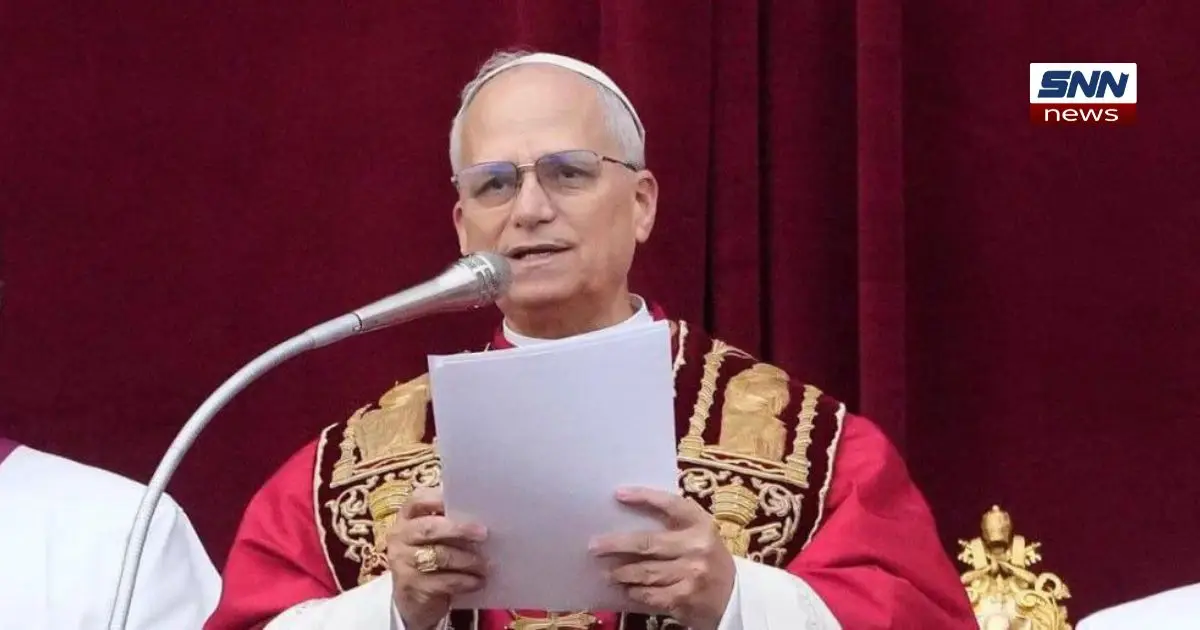
During a meeting with clergy from the Diocese of Rome, Pope Leo XIV has cautioned priests against relying on artificial intelligence tools, including AI Tools ChatGPT, to prepare sermons and homilies.
The pontiff described the growing dependence on AI-generated content as a “temptation” that could weaken spiritual depth and intellectual discipline among clergy.
His remarks come at a time when artificial intelligence is increasingly being used across professions, including education, journalism, and religious communication.
Clear Message to Clergy: Faith Cannot Be Automated
Speaking directly to priests, the Pope stressed that preaching is not a technical task that can be outsourced to machines. He warned that delegating sermon writing to AI Tools risks turning religious teaching into a mechanical exercise rather than a meaningful spiritual act.
“If a person does not train their own mind, it will atrophy,” the Pope said, emphasizing that spiritual leadership requires constant intellectual and moral engagement.
According to him, AI-generated text may sound polished, but it lacks the lived faith and personal reflection that authentic preaching demands.
Why the Pope Sees AI as a Spiritual Risk
The Pope’s concern centers on the nature of religious preaching itself. Homilies, he explained, are not merely speeches but expressions of personal faith, prayer, and responsibility toward a congregation.
He underlined several risks associated with AI Tools -written sermons:
- Loss of personal reflection and theological depth
- Weakening of the priest’s spiritual discipline
- Overreliance on technology for moral guidance
- Reduction of preaching to a formal or scripted exercise
- AI Tools
According to the pontiff, technology may assist research or organization, but it cannot replace spiritual preparation.
AI Tools Will Never Be Able to Preach the Faith”
In one of his strongest statements, Pope Leo XIV said that artificial intelligence will never be capable of preaching faith. He explained that belief is rooted in personal experience, conscience, and a living relationship with God — elements no machine can possess.
He added that Christianity is not about perfect wording or formal recitation of prayers. Instead, it is about human connection, inner struggle, compassion, and sincerity. These qualities, he said, cannot be generated by algorithms or language models.
Growing Use of AI Tools in Religious Contexts
The Pope’s remarks reflect a broader debate within religious communities worldwide. “In recent years, artificial intelligence has increasingly been applied to:”
- Draft sermons and religious articles
- Generate prayers and devotional texts
- Answer theological questions online
- Assist in religious education and outreach
- AI Tools
While some clergy view AI as a helpful support tool, others share concerns about authenticity, ethical responsibility, and spiritual dilution.
The Vatican has previously addressed ethical issues related to artificial intelligence, particularly around human dignity, accountability, and moral decision-making. This latest warning signals a clear boundary regarding the role of AI in spiritual leadership.
Balancing Technology and Tradition
Importantly, the Pope did not call for a complete rejection of technology. Instead, his message focused on balance and responsibility.
He acknowledged that modern tools can support administrative tasks or academic study but should never replace personal discernment and faith formation.
Priests, he said, are called to think, pray, and reflect deeply before speaking to their congregations. Delegating that responsibility to AI risks weakening trust between clergy and believers.
Public Impact and Wider Relevance
The Pope’s comments are likely to resonate beyond the Catholic Church. As AI tools become more advanced and accessible, professionals across sectors are questioning where to draw ethical lines.
For religious communities, the issue is particularly sensitive. Faith leaders play a central role in shaping moral values, offering guidance during crises, and providing emotional support.
The Pope’s warning highlights the importance of preserving the human element in roles that depend on trust and spiritual authority.
A Reminder in the Age of Automation
Pope Leo XIV’s remarks serve as a reminder that not all aspects of human life can or should be automated. While artificial intelligence continues to reshape communication,
the Pope’s message reinforces the idea that faith, conscience, and spiritual leadership remain deeply human responsibilities.
As technology advances, the challenge for religious institutions will be to use modern tools wisely without compromising authenticity, integrity, and the personal nature of belief.
Read how AI tools are being used in religious teaching and sermon preparation.
About The Author