
By Riffat Kausar
SNN News Finland
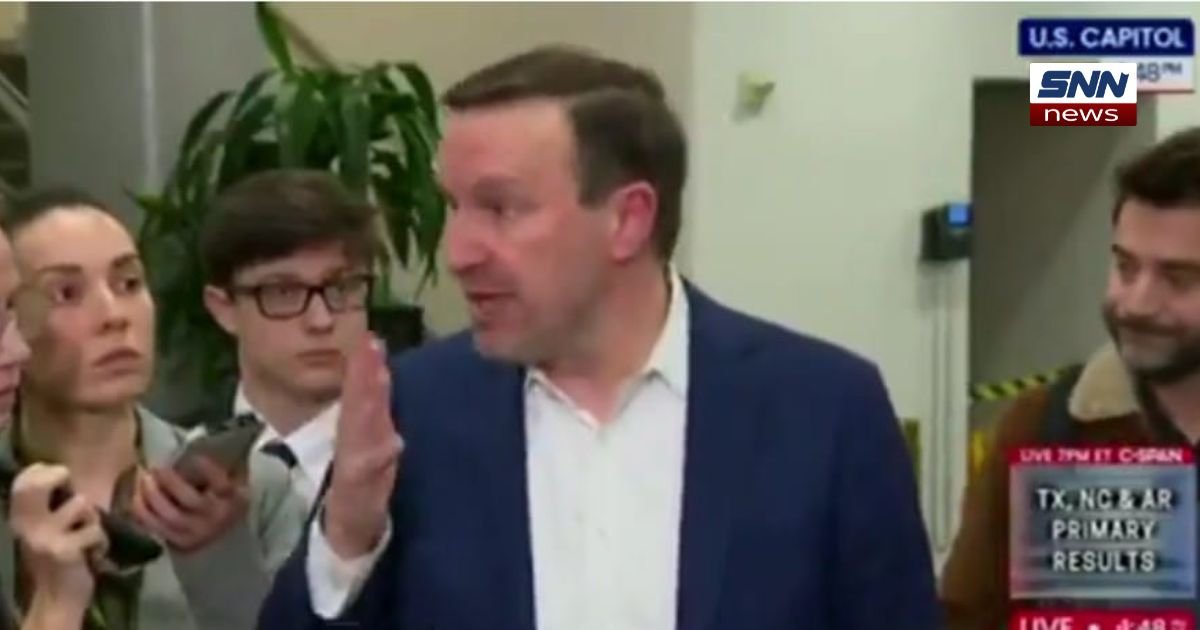
In a stark warning to lawmakers and the public, U.S. Senator Chris Murphy described the escalating Iranian drone attacks as “as serious as it gets.”
Speaking to the media, Murphy highlighted intelligence assessments indicating that more American lives could be at risk due to the inability to fully intercept these unmanned aerial assaults.
Senator Murphy’s Statement on Iranian Threats
During a briefing with intelligence officials, Senator Murphy reported that experts warned of the ongoing threat posed by Iranian drones.
He emphasized that the United States currently lacks complete defensive measures to stop all incoming attacks, putting both military personnel and strategic interests in jeopardy.
- Direct Quote: “They told us in that room that there are going to be more Americans that are going to die, that they’re not going to be able to stop these (Iranian) drones,” Murphy said.
- The statement underscores the urgent need for enhanced drone defense systems and contingency planning to protect American forces abroad.
Background on Iranian Drone Activity
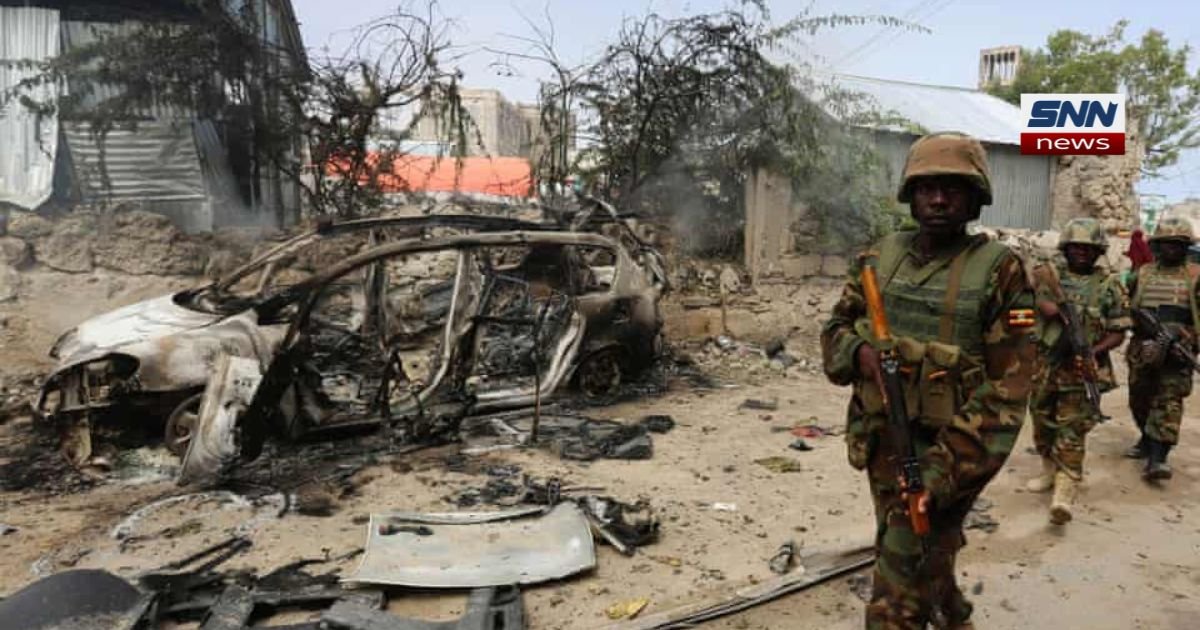
Iran has increasingly deployed unmanned aerial vehicles (UAVs) in the Middle East, targeting American military bases and allied installations. These drones vary in size and capability, from surveillance models to armed UAVs capable of carrying explosives.
- Historical Context: Over the past several years, Iran has used drone technology both directly and through proxy groups to conduct attacks on U.S. and allied interests.
- Strategic Targets: Key locations under threat include bases in Iraq, Syria, and other Gulf countries hosting American forces.
- Defense Limitations: While the U.S. has deployed advanced radar and missile defense systems, intelligence officials acknowledge that some drone attacks may evade current defenses, highlighting the vulnerability of American personnel and assets.
Implications for U.S. Military and Policy
The senator’s warning signals a broader concern for U.S. defense and foreign policy in the Middle East. Military experts suggest that Iran’s drone program represents a growing asymmetric threat, capable of striking targets quickly and unpredictably.
- Military Impact: American bases may face increased operational disruptions and higher risk to personnel.
- Policy Considerations: Washington may need to reevaluate force posture, enhance drone defense capabilities, and consider diplomatic engagement to reduce tensions.
- Regional Security: Allies in the Gulf and Iraq may also face heightened risk, prompting joint defense strategies and increased intelligence sharing.
Public and Global Relevance
Senator Murphy’s remarks have drawn attention from both domestic and international audiences, emphasizing the human and geopolitical costs of the escalating drone threat.
- Civilian Awareness: While military installations are primary targets, nearby civilian populations may experience indirect risks such as heightened security measures or accidental damage.
- International Relations: The situation could influence U.S.-Iran negotiations, regional alliances, and global energy markets, particularly in the oil-rich Gulf region.
Steps Being Considered
In response to these threats, lawmakers and defense officials are reportedly exploring multiple strategies:
- Enhanced Drone Defense Systems: Deployment of advanced anti-drone technologies and interception protocols.
- Intelligence Coordination: Improved monitoring and real-time response measures to detect and neutralize threats.
- Regional Collaboration: Working with allied countries hosting American forces to strengthen defensive readiness.
- Diplomatic Channels: Maintaining open lines with international partners to reduce the risk of further escalation.
Conclusion
Senator Murphy’s candid warning highlights a growing challenge for U.S. military forces stationed in volatile regions.
the threat posed by Iranian drones not only endangers American lives but also stresses the need for proactive defense strategies, regional cooperation, and informed policymaking.
As tensions continue, both the military and civilian sectors must remain alert to prevent further loss of life and ensure regional stability.
Read more on the Senator’s warning about Iranian drone attacks and threats to American military forces.
About The Author