

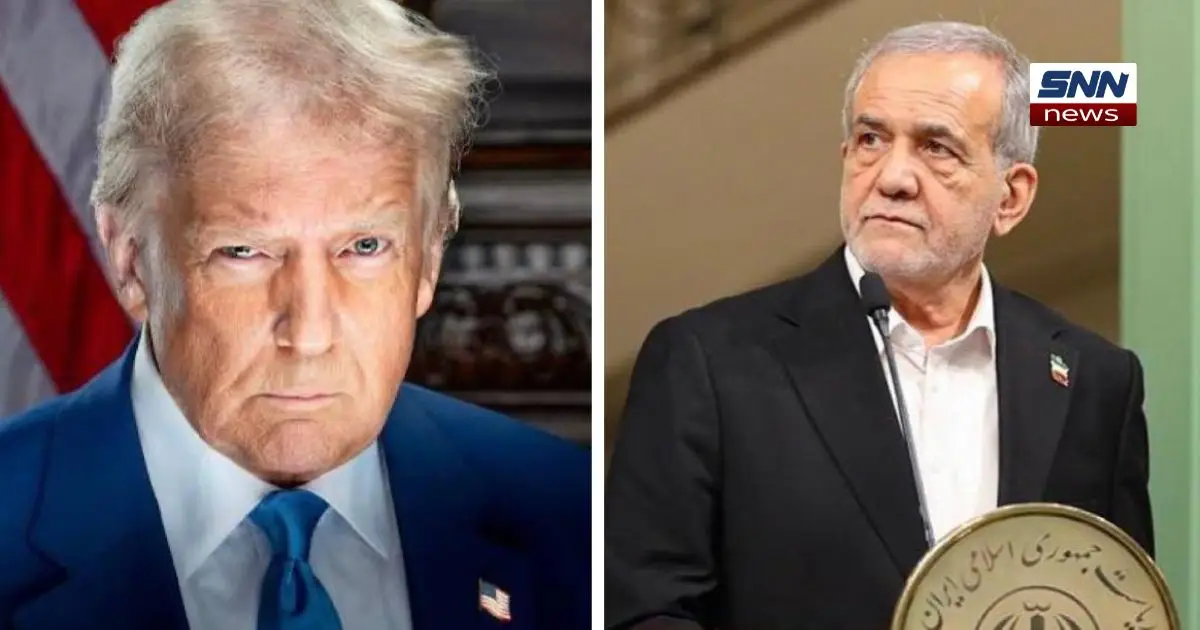
Iranian President Masoud Pezeshkian has issued a strong warning against any attempts to force his country into unconditional surrender, signaling Tehran’s continued defiance in the face of external pressures.
Speaking in a recent address, Pezeshkian stressed that Iran will protect its sovereignty and national interests at all costs, a statement that underscores ongoing regional tensions and the nation’s firm stance on its policies.
Strong Words from Tehran
During the speech, President Pezeshkian said, “They will take their dream to the grave if they think we will surrender unconditionally.”
The statement reflects the Iranian leadership’s determination not to compromise on key strategic and political objectives, particularly amid heightened diplomatic and economic pressures from Western powers.
Experts interpret Pezeshkian’s remarks as part of Iran’s broader strategy to maintain a position of strength in negotiations and international dealings. Analysts note that such rhetoric often serves multiple purposes
solidifying domestic support, deterring foreign interference, and signaling resilience to allies and adversaries alike.
Context: Iran’s Geopolitical Challenges
Iran has faced a series of international challenges in recent years, including economic sanctions, regional conflicts, and scrutiny over its nuclear program.
Western nations, led by the United States and European powers, have repeatedly pressed Tehran to alter certain policies in exchange for economic relief.
- Economic Sanctions: Decades of sanctions have severely impacted Iran’s economy, particularly in oil exports and international trade.
- Nuclear Negotiations: Iran’s nuclear ambitions remain a contentious issue, with global powers closely monitoring uranium enrichment levels.
- Regional Influence: Iran has been actively involved in regional affairs, including supporting allied groups in neighboring countries, which has drawn criticism from rivals.
- Pezeshkian
In this environment, Pezeshkian’s remarks serve as a reminder that Iran is unwilling to accept demands that compromise its perceived national sovereignty.
Domestic Implications
Inside Iran, the president’s statements resonate with both political elites and ordinary citizens. Nationalistic sentiment remains strong, and many Iranians view defiance as a point of pride.
Public opinion surveys indicate that support for a firm stance against foreign pressure has increased, especially among younger generations who are concerned about the country’s international image and economic stability.
Political analysts also suggest that Pezeshkian’s comments are intended to reassure domestic audiences that Iran’s leadership is unified and resolute, particularly amid any speculation about internal disagreements or political rivalries.
International Reactions
While there has not been an official response from Western governments regarding Pezeshkian’s latest comments, international observers have noted that such statements can influence diplomatic negotiations and regional security calculations.
- Diplomatic Signaling: Iran’s leadership often uses public statements to convey its positions without formal diplomatic engagements.
- Regional Security: Neighbors in the Middle East, including countries with competing interests, monitor Iran’s rhetoric closely, interpreting firmness as a potential indicator of future actions.
- Global Markets: Political stability in Iran can indirectly affect global oil prices, investment decisions, and trade relations, given the country’s strategic position and energy resources.
- Pezeshkian
Historical Perspective
Iran has a long history of resisting foreign pressure, dating back to the 20th century when it faced foreign interventions and political upheavals.
Leaders have frequently emphasized sovereignty and national pride as guiding principles, and Pezeshkian’s remarks align with this historical narrative.
Historically, Iranian leadership has used strong public statements during periods of heightened tension to rally citizens, deter adversaries, and reinforce the government’s legitimacy.
Analysts argue that such strategies have been effective in maintaining internal cohesion while managing international expectations.
The Road Ahead
Moving forward, Iran’s approach to diplomacy and negotiations will likely continue to balance firmness with selective engagement.
While Pezeshkian’s comments are resolute, they also leave room for dialogue under conditions that Tehran considers acceptable.
Experts suggest that observing Iran’s next steps, including potential negotiations over economic relief or security arrangements, will be crucial for understanding the country’s strategy in the near term.
Key Takeaways
- Iranian President Masoud Pezeshkian vows that Iran will not surrender unconditionally.
- His remarks signal Tehran’s determination to protect national sovereignty and strategic interests.
- The statements carry domestic significance, strengthening political unity and public confidence.
- International observers view the comments as a signal in ongoing geopolitical and diplomatic dynamics.
- Iran’s historical resilience underlines its longstanding policy of defending national interests amid foreign pressure.
- Pezeshkian
As Iran continues to navigate complex regional and global challenges, statements like those from President Pezeshkian are likely to remain a cornerstone of the country’s political communication strategy, reflecting both national pride and strategic calculation.
About The Author