

By Abida Kahlun,
Bureau Chief, Helsinki
SNN News Finland
Finland is exploring the possibility of participating in international efforts to secure the Strait of Hormuz, a crucial waterway for global oil shipments, Finnish Foreign Minister has confirmed. The announcement comes amid rising geopolitical tensions
in the Middle East and growing concerns over maritime security in one of the world’s most strategically important chokepoints.
Strategic Importance of the Strait of Hormuz
The Strait of Hormuz, located between Oman and Iran, serves as a key passage for approximately 20% of the world’s oil trade. Any disruption in this narrow channel can have significant impacts on global energy markets, potentially causing sharp increases in fuel prices and affecting international trade.
“The security of the Strait is not only a regional matter; it affects global stability and economic security,” the Finnish Foreign Minister said. “Finland is evaluating all options to contribute to international efforts ensuring the safe passage of commercial vessels.”
Finland’s Position on International Military Operations
Historically, Finland has maintained a neutral stance in foreign military conflicts, focusing on diplomatic solutions and peacekeeping missions. However, recent global developments have prompted Helsinki to reconsider its role in strategic security initiatives, especially those led by NATO and other allied countries.
- Finland has been a partner in NATO’s Enhanced Partnership programs, contributing to peacekeeping missions worldwide.
- The nation has previously provided humanitarian aid and naval support in conflict zones, emphasizing non-combat roles.
- Participation in the Strait of Hormuz mission would mark a cautious but notable shift toward direct involvement in global maritime security operations.
- Role in Strait of Hormuz
Rising Tensions in the Middle East
Tensions around the Strait of Hormuz have escalated over recent years due to regional conflicts, including disputes between Iran and Western powers, maritime incidents, and sanctions affecting oil exports. International naval forces, including the United States and European allies, have increased their presence in the region to ensure freedom of navigation.
Experts warn that even minor incidents, such as attacks on tankers or interference with shipping lanes, could escalate into broader conflicts, disrupting global trade and energy supplies.
Finland’s Potential Role and International Collaboration
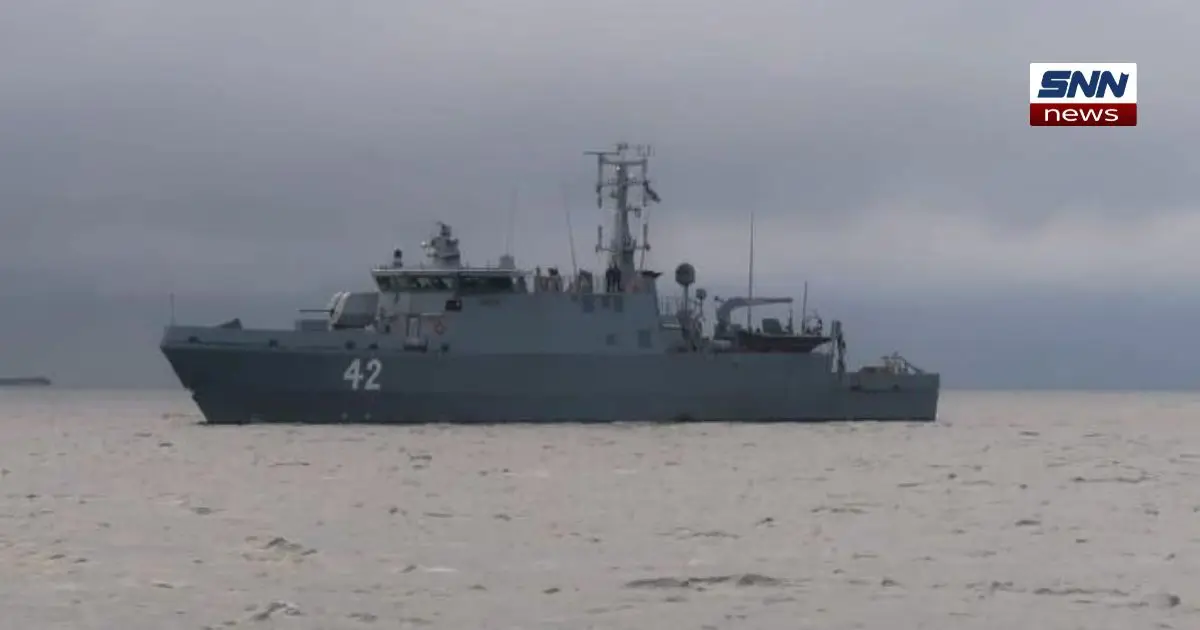
While Finland has not yet confirmed the size or scope of its potential military contribution, officials indicate that the country may focus on:
- Naval support: Deploying ships to assist in escorting commercial vessels safely through the Strait.
- Intelligence sharing: Providing satellite and maritime surveillance data to allied forces.
- Coordination with international partners: Collaborating with NATO member states and other maritime security initiatives in the region.
- Role in Strait of Hormuz
“The decision will be carefully weighed, considering Finland’s commitment to neutrality, international law, and the safety of our personnel,” the Foreign Minister added.
Global Implications of Finland’s Involvement
If Finland joins the multinational operation, it could enhance the legitimacy and operational capacity of international efforts to secure the Strait. The move may also signal Finland’s growing engagement in global security matters following its recent NATO membership, highlighting the country’s evolving foreign policy approach.
- Economic impact: Stability in the Strait could prevent sudden spikes in global oil prices.
- Security reassurance: International shipping companies would benefit from safer passage through the region.
- Diplomatic signaling: Finland’s participation could strengthen ties with allied nations and demonstrate commitment to collective security.
Expert Analysis
Security analysts suggest that Finland’s involvement, even in a limited capacity, would reflect the country’s cautious yet proactive approach to global security challenges. By contributing to maritime safety rather than direct combat, Finland aims to balance its historic neutrality with new responsibilities in international peace and security.
“The Strait of Hormuz is a vital artery for global trade. Any contribution that ensures its stability is significant,” said a Helsinki-based security expert. “Finland’s participation would reinforce the message that small but capable nations can play meaningful roles in international security.”
Next Steps for Finland
Finnish authorities are expected to conduct further assessments, including risk evaluations, logistical planning, and coordination with allied forces. Parliamentary approval may also be required before committing personnel or naval assets to the operation.
The government emphasized that any engagement would prioritize safety, legality, and Finland’s long-standing principles of neutrality and peacekeeping. Public statements from the Ministry of Defence and Foreign Affairs are anticipated in the coming weeks as deliberations continue.
“Read more about Finland’s foreign policy and international security initiatives here.”
About The Author