
By Hammad Kahlun
Scandinavian news Finland
Sweden has intensified its criticism of Israel over the ongoing crisis in Gaza and rising tensions in the West Bank. Swedish leaders have urged stronger international measures,
including sanctions and diplomatic pressure, citing concerns over humanitarian conditions, settlement expansion, and restrictions on aid.
The statements come amid growing protests in Stockholm and increasing calls within Europe for a coordinated response to the situation.
Sweden’s Position on the Crisis
Swedish officials have described the current situation in Gaza as “catastrophic,” highlighting the humanitarian impact of ongoing conflict and restrictions on essential supplies. Government representatives have also raised concerns about violence linked to Israeli settlements in the West Bank.
Sweden has called for a reassessment of Israel’s role within international institutions and urged partners in the European Union to consider stronger diplomatic steps.
Prime Minister Kristersson’s Call for EU Action
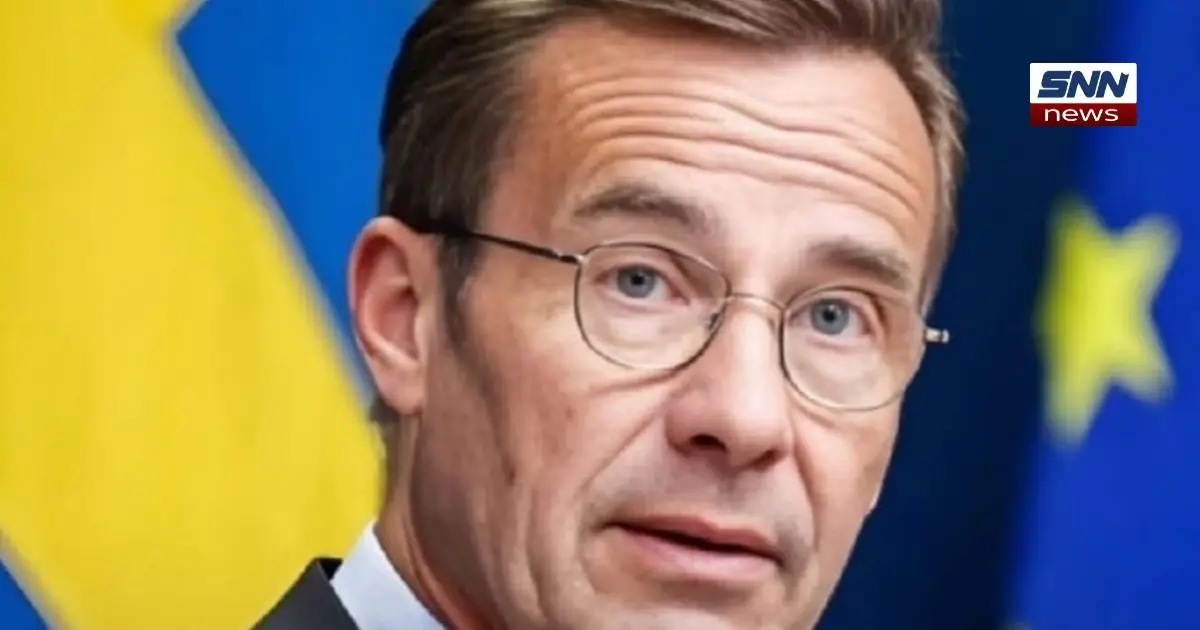
Ulf Kristersson has emphasized the need for immediate action at the European level. He urged the European Union to take a unified stance and explore measures that could increase pressure on Israel to change its policies.
According to Swedish leadership, the EU should consider:
- Imposing targeted sanctions on individuals linked to settlement expansion
- Reviewing trade relations and agreements
- Increasing diplomatic engagement to address humanitarian concerns
Kristersson stressed that coordinated EU action would carry greater influence than isolated national efforts.
Concerns Over Settlements and Aid Restrictions
Sweden’s criticism focuses heavily on developments in the West Bank, where settlement activity has been a long-standing source of international concern. Swedish officials argue that continued expansion undermines prospects for peace and violates international norms.
In addition, the government has expressed alarm over restrictions on humanitarian aid reaching Gaza. Aid organizations have reported difficulties in delivering essential supplies, including food, water, and medical assistance.
Key concerns highlighted include:
- Limited access for humanitarian organizations
- Restrictions on essential goods entering Gaza
- Impact on civilians, particularly vulnerable populations
Public Protests in Stockholm
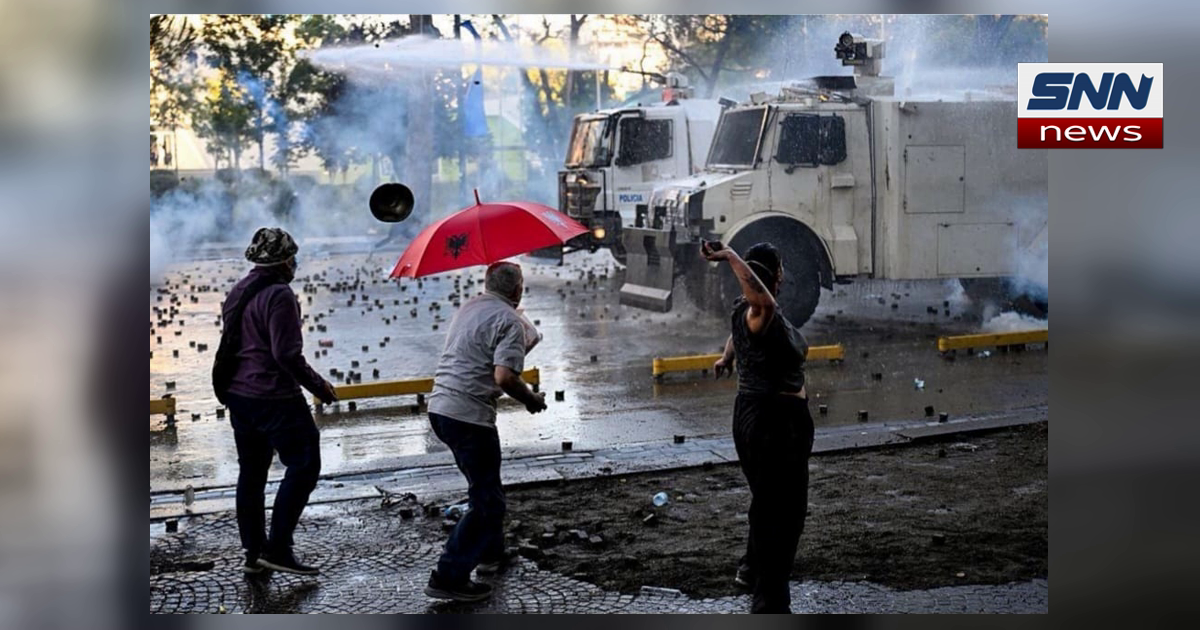
The issue has also sparked public demonstrations in Sweden’s capital. Protesters in Stockholm have gathered to voice their concerns about the humanitarian situation and to call for stronger government action.
These demonstrations reflect broader public engagement with international human rights issues and have added pressure on policymakers to respond decisively.
International and Diplomatic Context
Sweden’s stance is part of a wider international debate over how to address the ongoing conflict. While some countries have called for stronger measures against Israel, others have emphasized the need for dialogue and balanced diplomacy.
The situation highlights divisions within the international community regarding the appropriate response to the crisis. It also underscores the complexity of aligning political, legal, and humanitarian considerations.
Legal and Political Implications
Calls for sanctions and diplomatic isolation raise important legal and political questions. Any action by the European Union would need to comply with international law and be agreed upon by member states.
Experts note that measures such as sanctions or trade restrictions can have significant economic and political consequences. At the same time, they are often used as tools to influence state behavior and promote compliance with international norms.
Broader Impact on Israel’s Global Standing
The growing criticism from countries like Sweden may affect Israel’s international relationships and diplomatic standing. Increased scrutiny could lead to further debates within global institutions about accountability and policy changes.
However, Israel continues to maintain strong alliances with several countries and has defended its actions as necessary for national security.
Conclusion
Sweden’s call for stronger EU action reflects rising concern over the situation in Gaza and the West Bank. By urging sanctions, reviewing trade ties, and highlighting humanitarian issues, Swedish leaders are pushing for a more assertive international response.
As discussions continue within the European Union and beyond, the outcome will likely shape future diplomatic relations and influence how the global community addresses ongoing conflicts and humanitarian crises.
Read more about Sweden’s call for EU action and the international response to the Gaza and West Bank crisis.
About The Author