
By Shumaila Aslam
Scandinavian News Finland
Bureau Chief Pakistan
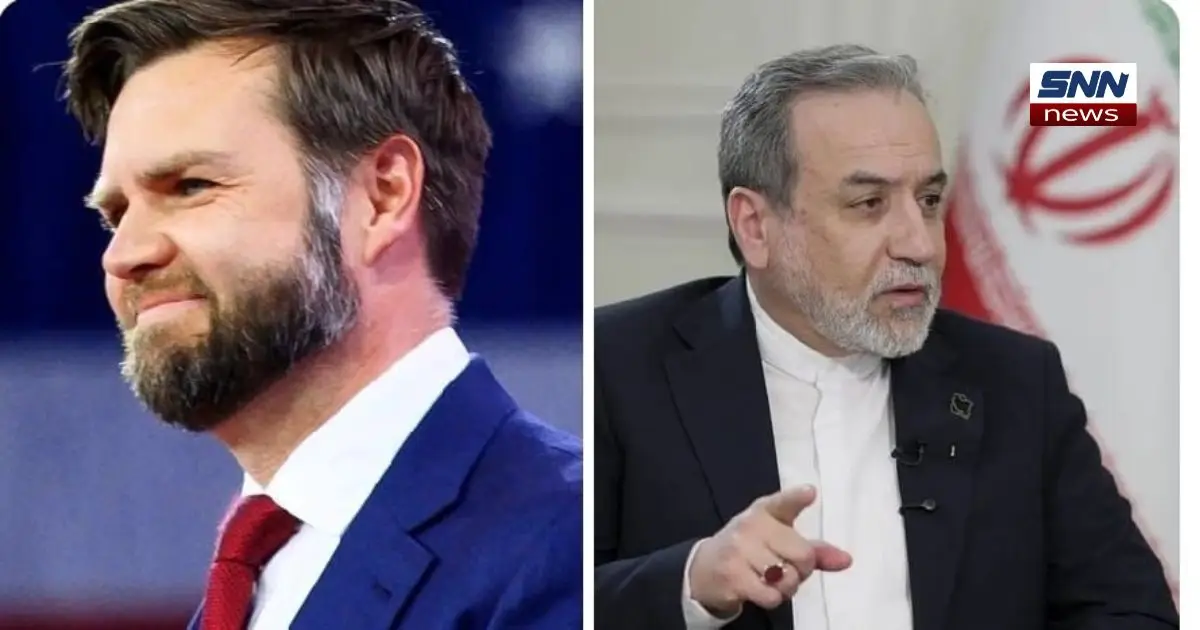
United States and U.S. and Iran may engage in high-level talks in Islamabad later this week, according to senior officials.
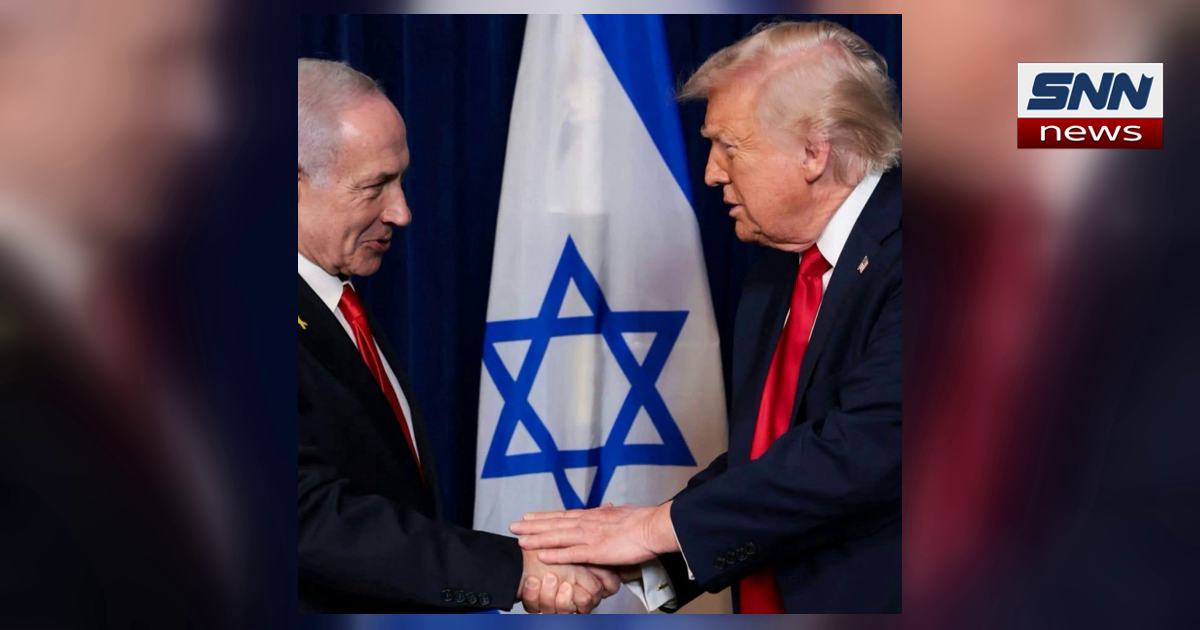
A top Israeli official confirmed that contacts are underway to arrange the meeting, which could include a U.S. representative such as Vice President JD Vance.
The discussions are reportedly structured around 15 agreed points, covering key issues in the strained relations between Washington and Tehran.
While Israel was aware of mediation efforts, officials say they were surprised by how advanced the negotiations have become.
Background on U.S.-Iran Relations
Relations between the United States and U.S. and Iran have been tense for decades, with disagreements over nuclear programs, regional security, and economic sanctions.
Efforts to restart diplomatic talks have seen intermittent progress, with mediators occasionally facilitating dialogue through neutral countries.
Pakistan, strategically located and historically maintaining ties with both countries, is reportedly serving as a venue to host these potential high-level discussions.
Using Islamabad as neutral ground may allow both sides to negotiate sensitive issues with reduced public pressure.
Potential U.S. Representation
While official details have not been confirmed, Vice President JD Vance is cited as a potential U.S. and Iran. participant.
The involvement of a senior figure like the Vice President would signal the United States’ commitment to meaningful dialogue.
Having a high-ranking representative could help address strategic, political, and security concerns efficiently, while also reassuring international observers of the seriousness of the talks.
Agenda and Key Discussion Points
Reports indicate that discussions could cover 15 previously agreed points between the U.S. and Iran. While the full agenda remains confidential, analysts expect topics may include:
- Regional security issues in the Middle East
- Nuclear program compliance and monitoring
- Sanctions relief and economic considerations
- Bilateral and multilateral conflict prevention measures
- U.S. and Iran
Experts suggest that breaking the agenda into agreed points allows negotiators to tackle complex matters systematically, increasing the likelihood of progress.
Israel’s Perspective
Israel has closely monitored U.S.-Iran diplomacy due to concerns over regional security. Officials noted that while Israel was aware of ongoing mediation efforts, the speed and advancement of negotiations have taken them by surprise.
Israel’s involvement in regional security discussions often focuses on ensuring that agreements do not undermine its strategic interests, particularly regarding Iran’s nuclear program.
Pakistan’s Role as Mediator
Pakistan’s geographic and diplomatic positioning makes it a suitable host for such high-level talks. Historically, Islamabad has served as neutral ground for international negotiations, balancing relations with multiple powers.
By hosting the talks, Pakistan may enhance its diplomatic standing and demonstrate its role as a facilitator in resolving global conflicts.
Analysts note that its involvement could help reduce tensions and create a controlled environment for dialogue.
Potential Outcomes and Global Implications
High-level meetings between the U.S. and Iran could have significant regional and global implications. Possible outcomes include:
- Agreements to de-escalate tensions in the Middle East
- Steps toward renewed nuclear compliance discussions
- Measures to improve humanitarian or economic conditions through partial sanctions relief
- Strengthened communication channels to prevent misunderstandings and conflicts
- U.S. and Iran
Analysts emphasize that while the talks are preliminary, even initial dialogue can create momentum toward long-term solutions.
Challenges and Uncertainties
Despite progress, these discussions face several challenges:
- Longstanding distrust between the two nations
- Internal political pressures in both the U.S. and Iran
- Opposition from regional stakeholders, including Israel and Gulf countries
- Complex verification mechanisms for any agreements reached
- U.S. and Iran
Such factors may slow negotiations, but international observers stress that dialogue itself is a positive step.
Conclusion
The potential high-level U.S.-Iran talks in Islamabad represent a significant diplomatic development.
With senior officials reportedly involved and a structured agenda of 15 points, the meeting could lay the groundwork for improved relations and regional stability.
As global attention focuses on Pakistan as the venue, the outcome of these talks may influence not only U.S.-Iran relations but also broader Middle Eastern security dynamics.
The international community will closely monitor any announcements, signaling the importance of these discussions for peace, diplomacy, and conflict prevention.
Read more on Middle East diplomacy and U.S.-Iran relations here.
About The Author