
By Hammad Kahlun
Scandinavian news Finland
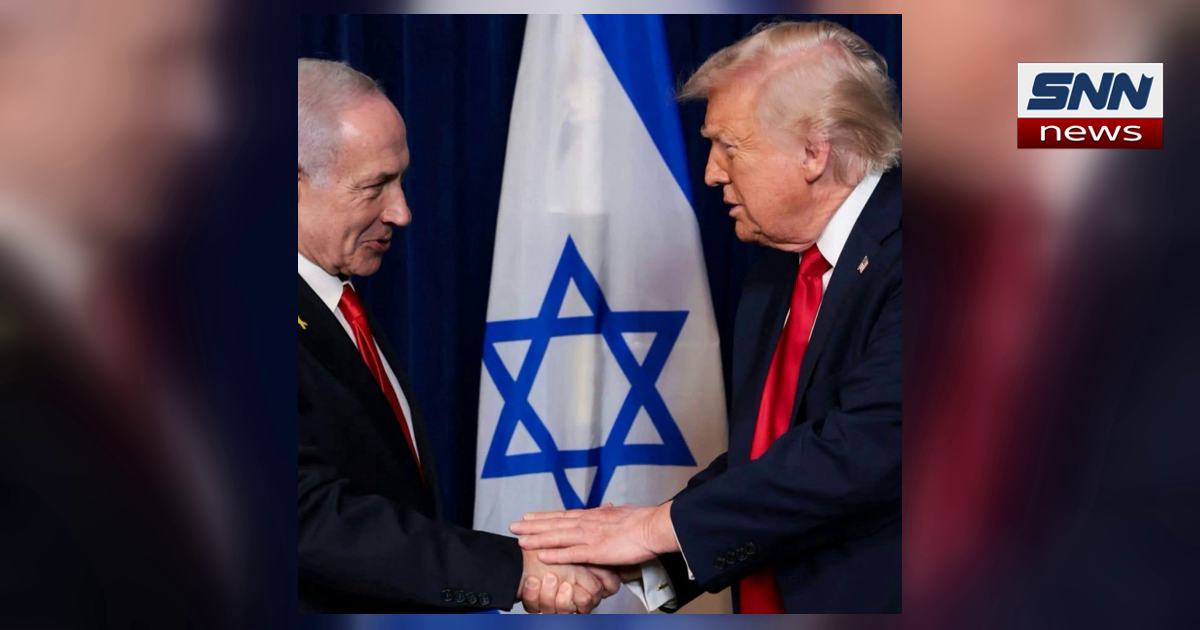
A recent press conference involving Benjamin Netanyahu has sparked renewed debate over press freedom, media access, and the growing tensions surrounding the conflict between Israel and Iran.
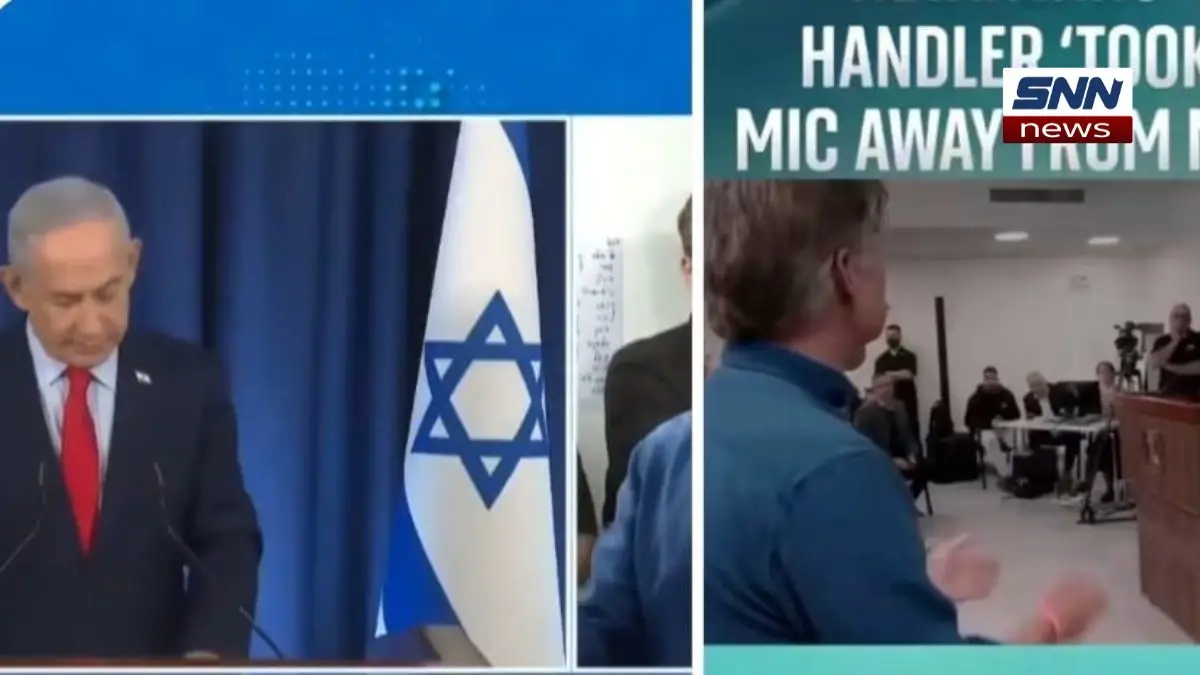
During the event, veteran journalist Richard Engel was reportedly interrupted and silenced after asking a direct question about the United States’ role in the escalating situation.
The incident has drawn attention from media organizations, political analysts, and human rights observers, who view it as part of a broader pattern of restricting critical questioning during times of geopolitical tension.
What Happened at the Press Conference
The press conference was intended to address ongoing regional developments and Israel’s strategic position amid rising tensions with Iran.
Journalists from various international outlets were present, including Richard Engel, a well-known correspondent with extensive experience in conflict reporting.
During the question-and-answer session, Engel raised a sensitive issue.
He asked Netanyahu how he responded to concerns among many Americans who believe that Israel has influenced the United States into deeper involvement in a potential conflict with Iran.
He also questioned whether this situation could lead to wider global consequences.
Before Netanyahu could fully respond, members of his team reportedly intervened. According to eyewitness accounts, aides moved quickly to remove the microphone from Engel.
In some reports, they also attempted to prevent him from continuing his question, effectively cutting him off mid-sentence.
This moment, captured and shared across media platforms, quickly became a focal point for discussions on media freedom and political transparency.
Media Reaction and Press Freedom Concerns
The incident has raised serious concerns among journalists and press freedom advocates.
Many argue that preventing a reporter from asking a legitimate question undermines democratic principles and the role of the press in holding leaders accountable.
Key concerns raised include:
- Restriction of journalistic inquiry: Journalists must be able to ask difficult questions without fear of interruption or censorship.
- Control of narrative: Interrupting such questions may suggest an attempt to manage public perception during sensitive political situations.
- Transparency issues: Open dialogue between leaders and the press is essential for maintaining public trust.
- Press Conference
Several media watchdog organizations have emphasized that press conferences should remain spaces for open exchange, especially during times of conflict when accurate information is critical.
Context: Rising Tensions Between Israel and Iran
The background to this incident lies in the increasingly strained relationship between Israel and Iran.
Over recent years, both nations have engaged in indirect confrontations, including cyber operations, intelligence activities, and regional proxy conflicts.
Recent developments have further escalated tensions, with concerns about potential military confrontation growing among international observers.
Key factors contributing to the situation:
- Regional security concerns: Israel has repeatedly expressed fears about Iran’s military capabilities and influence in neighboring countries.
- International alliances: The United States has historically supported Israel, making its involvement a critical factor in any escalation.
- Global impact: Any direct conflict between Israel and Iran could have significant economic and political consequences worldwide.
- Press Conference
It is within this context that Engel’s question gained importance, as it reflected a broader concern about the role of global powers in regional conflicts.
Public and Political Reactions
Following the incident, reactions have been mixed. Some political supporters of Netanyahu defended the actions of his aides, suggesting that the question was framed in a way that could be seen as politically charged or misleading.
However, many others—including journalists and analysts—have criticized the response as disproportionate and unnecessary.
Reactions from different groups:
- Journalists: Many expressed concern over increasing restrictions on press access and freedom.
- Political analysts: Some noted that such incidents could damage Israel’s image as a democratic state committed to free speech.
- Public opinion: Social media discussions have highlighted divided views, with some supporting the need for controlled messaging during crises, while others stress the importance of transparency.
- Press Conference
The Role of Journalism in Conflict Reporting
The situation also highlights the critical role journalists play in informing the public during times of geopolitical tension.
Correspondents like Richard Engel often operate in high-risk environments to provide accurate and timely information.
In democratic societies, the press serves as a bridge between governments and citizens.
By asking difficult questions, journalists help ensure accountability and provide insight into decision-making processes.
Limiting this role can lead to:
- Reduced public understanding of complex issues
- Increased spread of misinformation
- Declining trust in official communications
- Press Conference
Implications for International Relations
The incident may also have broader implications for international relations, particularly regarding how governments interact with foreign media.
Countries that are perceived as restricting press freedom may face criticism from global organizations and allies.
This can impact diplomatic relationships and influence public perception on the global stage.
Additionally, the question raised by Engel touches on a sensitive issue in U.S. foreign policy—whether external allies influence American involvement in international conflicts.
This debate is likely to continue as tensions evolve.
Conclusion
The interruption of Richard Engel during the press conference with Benjamin Netanyahu has become more than just a brief moment of tension—it reflects deeper issues surrounding press freedom, political communication, and global conflict narratives.
As tensions between Israel and Iran continue to develop, the need for transparent communication and open dialogue remains crucial.
Ensuring that journalists can perform their role without interference is essential for maintaining trust, accountability, and informed public discourse.
The incident serves as a reminder that even in high-stakes political environments, the principles of free expression and journalistic independence must be upheld.
Read more about global press freedom challenges and media restrictions in high-profile political press conferences.
About The Author