
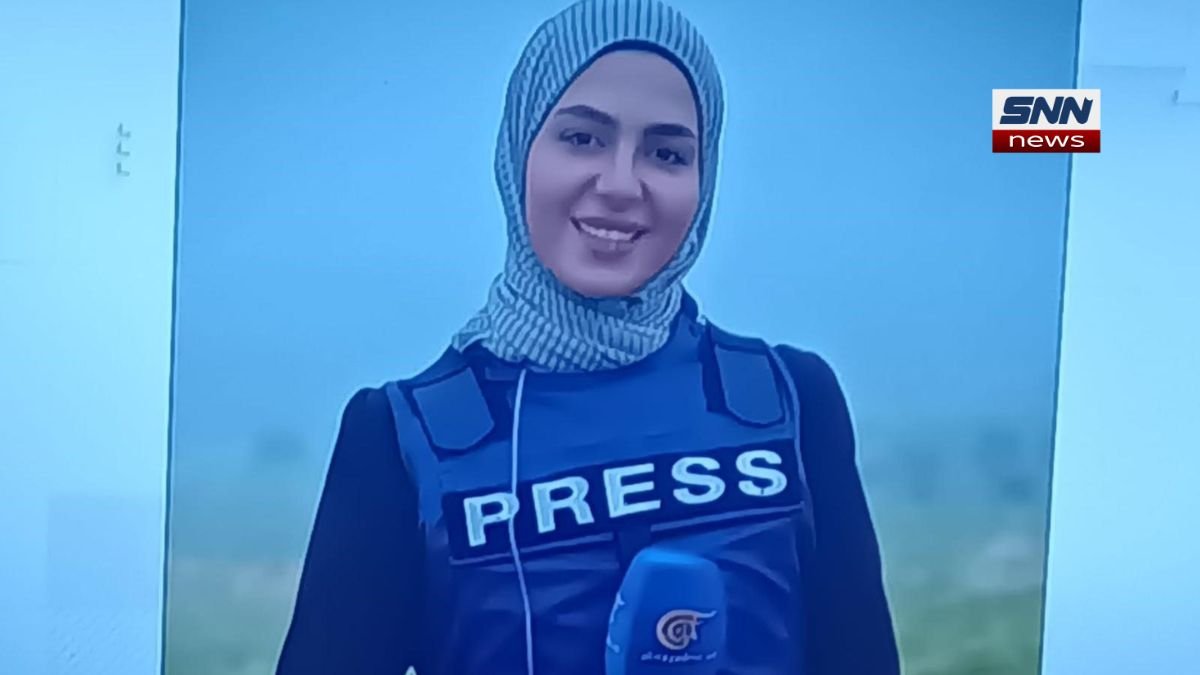
Targeted Strike in Lebanon Sparks Outrage Among Media and Human Rights Groups
A recent deadly incident in Lebanon has intensified global concern over the safety of journalists Killings working in conflict zones.
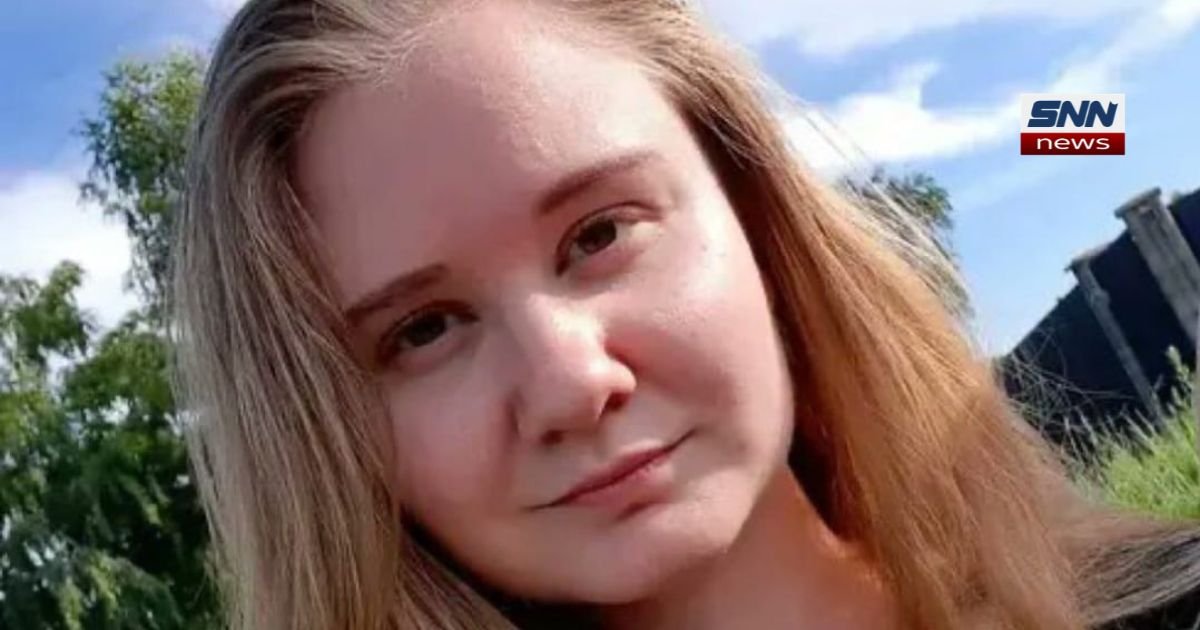
According to initial reports, a reporter identified as Fatima narrowly survived a targeted strike that Killings two of her fellow journalists.
The attack has been widely attributed to Israeli military action, prompting condemnation from press freedom advocates and renewed calls for international accountability.
The incident occurred amid ongoing regional tensions, where journalists Killings continue to face extreme risks while covering developments on the ground.
Media organizations and journalist unions have described the killings as a direct assault on press freedom and a violation of international humanitarian law.
Who, What, When, Where, and Why
The attack took place in Lebanon during active conflict coverage. Fatima, a field reporter, was carrying out her professional duties when the strike hit, Killings two of her colleagues instantly.
While exact details of the timing and location remain under investigation, early accounts suggest the journalists were deliberately targeted.
The motive behind the strike has been strongly questioned.
Critics argue that such attacks reflect a broader pattern of targeting media workers in conflict zones, raising serious concerns about the protection of civilians, including journalists, under international law.
Growing Risks for Journalists in Conflict Zones
Journalists Killings operating in war zones face daily threats, including airstrikes, crossfire, and targeted attacks. However, incidents like this highlight a more alarming trend—intentional targeting of media personnel.
Press freedom organizations have repeatedly warned that journalists are increasingly being treated as legitimate targets rather than protected civilians.
This shift undermines the role of independent reporting and limits the global public’s access to accurate information from conflict areas.
Key risks faced by journalists include:
- Direct targeting during military operations
- Lack of protective mechanisms on the ground
- Limited access to safety equipment and secure communication
- Political pressure and censorship
- Killings
International Reaction and Calls for Justice
The killings have triggered strong reactions from journalist unions and human rights organizations worldwide.
Many have called for an independent investigation into the incident and urged global institutions to take action.
There is growing pressure on international bodies, including the International Court of Justice (ICJ), to examine whether such attacks constitute war crimes.
Legal experts argue that deliberate strikes on journalists could violate the Geneva Conventions, which protect civilians in armed conflicts.
Several advocacy groups have emphasized that accountability is essential to prevent further violence against media workers. Without consequences, such incidents risk becoming normalized in conflict reporting.
Role of Global Powers Under Scrutiny
The incident has also reignited debate over the role of major global powers, particularly the United States and European nations, in ongoing conflicts.
Critics argue that continued political and military support to involved parties may indirectly contribute to actions that endanger civilians, including journalists.
Some observers claim that international responses have been inconsistent, with limited action taken in response to attacks on media personnel.
This perceived lack of accountability has fueled frustration among press freedom advocates.
Importance of Press Freedom in Conflict Reporting
Journalists play a critical role in documenting events, exposing human rights violations, and informing the global community.
Their work is essential for transparency and accountability, especially in regions where independent information is scarce.
When journalists are targeted, it not only endangers lives but also restricts the flow of information.
This can lead to misinformation, reduced international awareness, and weakened democratic oversight.
Why protecting journalists matters:
- Ensures accurate reporting from conflict zones
- Holds governments and armed groups accountable
- Supports human rights documentation
- Strengthens global awareness and response
- Killings
Legal Framework and Protections
Under international humanitarian law, journalists are considered civilians and must be protected during armed conflicts.
Any deliberate attack against them can be classified as a serious violation.
Organizations such as the United Nations and various press freedom groups have established guidelines to safeguard journalists.
However, enforcement remains a significant challenge, particularly in active war zones.
Legal experts stress the need for stronger mechanisms to investigate and prosecute violations.
Without effective enforcement, existing protections risk becoming symbolic rather than practical.
Demand for Independent Investigations
Journalist unions have called for a transparent and independent inquiry into the Lebanon incident.
They argue that internal investigations by involved parties may lack credibility and fail to deliver justice.
An independent investigation could help:
- Establish the facts surrounding the attack
- Determine whether journalists were intentionally targeted
- Identify those responsible
- Recommend measures to prevent future incidents
- Killings
Broader Implications for Global Media
The deaths of journalists in Lebanon reflect a broader global issue. According to press freedom reports, dozens of journalists are killed each year while performing their duties, many in conflict zones.
This trend poses a serious threat to global media freedom.
If journalists cannot safely report from critical regions, the world loses access to firsthand information, and accountability mechanisms weaken.
Media organizations are increasingly calling for international cooperation to enhance journalist safety, including better training, protective equipment, and emergency response systems.
Conclusion: Urgent Need for Accountability and Protection
The Killings of journalists in Lebanon underscores the urgent need for stronger protections and accountability mechanisms.
As investigations continue, global attention remains focused on whether justice will be served.
Press freedom advocates emphasize that such incidents must not be ignored.
Holding perpetrators accountable is essential not only for justice but also for safeguarding the future of independent journalism.
Without decisive action, the risks faced by journalists will continue to grow, threatening both lives and the fundamental right to information.
For more updates on global press freedom and journalist Killings safety, read our detailed report on attacks against media workers in conflict zones.
About The Author