
By Hammad Kahlun
Scandinavian News Finland
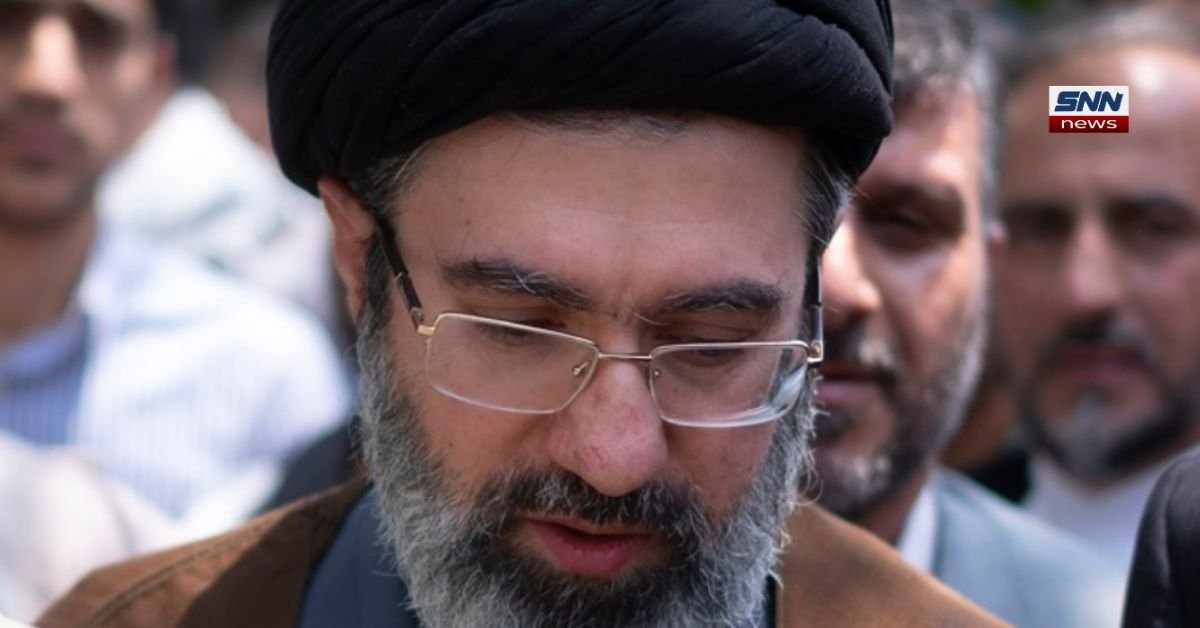
Reports Claim Iran’s Supreme Leader Is Facing Serious Health Issues
Fresh reports about the health of Iran’s Supreme Leader have triggered renewed attention on the country’s political leadership, internal security, and succession planning.
According to media reports citing unnamed sources, the senior Iranian leader is dealing with significant medical issues following injuries reportedly sustained earlier this year.
The claims, widely discussed in international media, suggest the leader suffered severe facial burns and other physical injuries.
Reports further state that multiple surgeries have already taken place and additional treatment may be required.
Iranian authorities have not publicly confirmed all details. However, the reports have increased speculation because of the leader’s limited public appearances in recent months.
Why the Reports Matter
Iran’s Supreme Leader holds the highest authority in the country’s political and military system. The position has direct influence over:
- National security decisions
- Foreign policy strategy
- Military leadership
- Judiciary appointments
- State broadcasting and key institutions
- Major policy direction
- Supreme Leader
Any health concerns involving the Supreme Leader are therefore seen as politically significant both inside Iran and internationally.
Claims of Facial Burns and Medical Treatment
According to the reported information, the leader allegedly suffered facial injuries severe enough to affect speech.
Sources cited in foreign media say reconstructive or plastic surgery may be required as part of long-term treatment.
Additional claims state that surgeries involving an arm and leg have already taken place since late February.
Some reports also suggest that mobility-related medical support, including a possible prosthetic device, may eventually be needed.
These details have not been independently verified through official Iranian state channels.
Limited Public Appearances Fuel Speculation
One major reason the reports gained attention is the absence of regular public appearances. Analysts note that Iran’s top leadership usually uses speeches, televised messages, and ceremonial appearances to project authority.
Reports say the leader has been avoiding video messages and direct appearances for two reasons:
1. Concerns About Appearing Weak
Political leadership in times of crisis often depends heavily on public image. Any visible signs of injury or illness could invite questions about strength and stability.
2. Security Risks
Some reports claim officials are concerned that travel patterns or direct meetings could expose locations to foreign intelligence monitoring or military targeting.
Because of these concerns, communication may be more tightly controlled than usual.
First National Address Reportedly Read by Announcer
Media reports also state that the first national message following recent conflict developments was not personally delivered by the leader. Instead, it was reportedly read by an announcer.
That unusual step has drawn further attention from regional observers. In countries where leadership symbolism matters greatly, the format of official communication can become politically meaningful.
No recent confirmed photographs, videos, or audio recordings have reportedly been released during the period discussed in the reports.
Officials Say Leader Remains Mentally Sharp
Despite the health concerns, reports also state that Iranian officials have emphasized the leader remains mentally alert and continues participating in decision-making.
This distinction is important because physical injury does not necessarily mean political incapacity. In many systems, leaders can continue to govern through written directives, secure meetings, and internal channels even while recovering medically.
Observers say the message appears designed to reassure institutions, supporters, and international rivals that command structures remain intact.
Regional Tensions and Security Context
The reports emerged during a period of heightened tensions involving Iran and Israel. Security concerns have intensified across the Middle East after months of military exchanges, proxy conflict, cyber incidents, and threats involving regional allies.
If top Iranian leadership is limiting movement or direct meetings, it would reflect broader fears about:
- Assassination attempts
- Intelligence surveillance
- Airstrike targeting
- Cyber monitoring
- Internal security leaks
- Supreme Leader
Senior political figures in conflict zones often increase secrecy under such circumstances.
Leadership Succession Questions Resurface
Whenever questions arise about the health of a top leader, succession discussions quickly follow. Iran’s political system includes several powerful institutions that would shape any future transition.
These include:
- Assembly of Experts
- Revolutionary Guard influence networks
- Senior clerical figures
- Elected government institutions
- Security establishment
- Supreme Leader
Analysts say uncertainty around succession can affect markets, diplomacy, and internal political competition.
Why Global Governments Are Watching
Iran plays a major role in regional energy routes, Middle East security, and nuclear diplomacy. Because of this, leadership stability in Tehran matters to many countries.
Governments across Europe, Asia, and the Middle East may monitor developments for possible impact on:
- Oil prices
- Sanctions policy
- Nuclear negotiations
- Regional militia activity
- Maritime security
- Diplomatic relations
- Supreme Leader
Even unconfirmed health reports can influence risk assessments.
No Full Official Confirmation Yet
At the time of reporting, there has been no detailed official public confirmation matching all claims made in international media. Iranian state institutions have historically kept health matters involving senior leadership private unless disclosure becomes necessary.
This makes independent verification difficult and often leads to competing narratives.
Experts advise caution when assessing politically sensitive health reports involving top officials, especially during periods of conflict.
Public Reaction and Information Control
Inside Iran, leadership image remains closely linked to state authority. Any prolonged absence can create rumors, online speculation, and questions among the public.
Authorities often respond through controlled messaging, selective appearances, or official statements to demonstrate continuity.
Whether that happens in the coming weeks may influence how seriously these reports are viewed.
What Comes Next
The next key indicators will likely include:
- A public speech or video appearance
- Official images from meetings
- Statements from Iranian institutions
- Continued silence or limited visibility
- Signs of policy continuity in Tehran
- Supreme Leader
Until clearer evidence emerges, the reports remain significant but only partially confirmed.
Conclusion
Claims about serious health issues facing Iran’s Supreme Leader have placed fresh focus on leadership stability, security fears, and succession politics.
While officials reportedly insist he remains mentally engaged, the lack of regular appearances has increased global scrutiny.
For now, governments and analysts are likely to watch closely for concrete signs of the leader’s condition and the direction of Iran’s internal power structure.
Iran leadership latest updates, Tehran political developments, Middle East security news, Iran Israel tensions, Supreme Leader succession reports
About The Author