
By Hammad Kahlun
Scandinavian news Finland
First Known Overseas Deployment of Iron Dome Highlights Rising Middle East Security Tensions
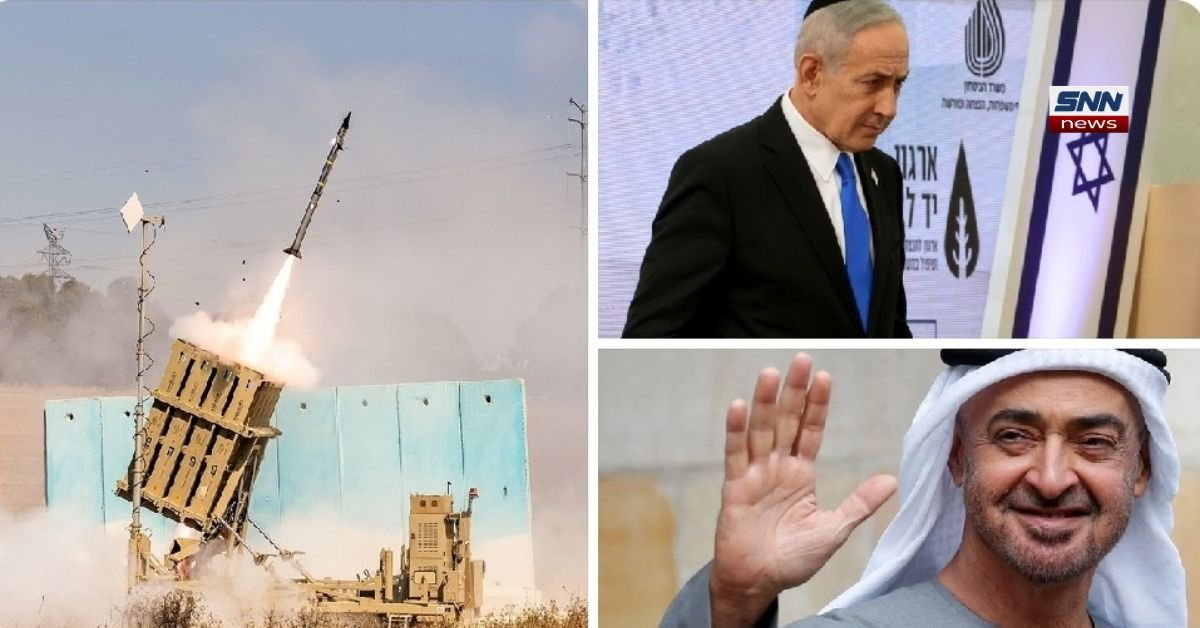
Israel secretly deployed its Iron Dome air defense system along with Israel Defense Forces (IDF) personnel to the United Arab Emirates (UAE) at the beginning of the regional conflict, according to reported details of the operation.
This marked the first known instance of Israel transferring and operating its missile defense system on foreign soil.
The deployment reportedly came after a direct communication between Israeli Prime Minister Benjamin Netanyahu and UAE President Mohamed bin Zayed Al Nahyan (MBZ), reflecting growing security cooperation between the two countries.
The move highlights increasing concerns over missile and drone attacks in the Gulf region and the expanding security partnership formed after the Abraham Accords.
Iran Missile and Drone Attacks Reported During Conflict Period
According to the reported figures, Iran launched a large-scale wave of aerial attacks targeting the Gulf region during the conflict period. The reported numbers include:
- Around 550 ballistic missiles fired
- Approximately 2,200 drones launched toward regional targets
- Several projectiles intercepted before impact
- Iron Dome
While most of these attacks were reportedly neutralized, some missiles and drones are said to have struck both military installations and civilian areas in the UAE and surrounding regions.
These developments underline how the conflict extended beyond traditional battle zones, raising concerns about regional escalation.
Iron Dome System Activated in UAE Defense Operations
The deployment of the Iron Dome in the UAE marked a significant moment in Israeli defense cooperation with an Arab Gulf state.
The system, designed to intercept short-range rockets and aerial threats, was reportedly used to intercept multiple incoming Iranian missiles while stationed in UAE territory.
Key operational details include:
- Israeli forces operated the system on UAE soil
- Dozens of incoming threats were reportedly intercepted
- Coordination was conducted with UAE defense authorities
- The system was deployed for the first time outside Israel
- Iron Dome
Security analysts say this reflects a shift in regional defense strategy, where advanced missile defense systems are increasingly shared among allied nations facing similar threats.
Israeli Air Force Strikes Reported in Southern Iran
In addition to defensive operations, reports indicate that the Israeli Air Force conducted strikes targeting short-range missile systems in southern Iran.
The purpose of these strikes was reportedly to prevent additional missile launches toward Gulf countries, including the UAE.
If confirmed, this would indicate a broader operational strategy involving both defensive interception and preemptive disruption of launch capabilities.
Netanyahu and MBZ Direct Communication During Crisis
The deployment was reportedly authorized following a direct call between Israeli Prime Minister Benjamin Netanyahu and UAE President Mohamed bin Zayed Al Nahyan.
This communication highlights the strategic alignment that has developed between the two countries since normalization of relations under the Abraham Accords in 2020.
The reported coordination suggests:
- High-level military cooperation
- Rapid joint response mechanisms
- Shared concerns over regional missile threats
- Strengthening of intelligence sharing networks
- Iron Dome
UAE-Israel Relations Reach New Strategic Level
Since the Abraham Accords, diplomatic and economic ties between Israel and the UAE have expanded significantly. However, the reported deployment of a full missile defense system represents a deeper level of security integration.
Experts note that this development indicates:
- Growing trust in defense cooperation
- Shared perception of regional threats
- Expansion of joint military planning
- Increased reliance on missile defense technology
- Iron Dome
The UAE has been investing heavily in advanced defense systems, while Israel remains a global leader in missile interception technology.
Regional Security Concerns and Escalation Risks
The reported scale of missile and drone attacks has raised concerns about regional stability. Gulf countries, including the UAE, are increasingly exposed to long-range missile capabilities and unmanned aerial systems.
Security experts highlight several key risks:
- Expansion of missile warfare beyond traditional conflict zones
- Increased drone usage in regional conflicts
- Risk to civilian infrastructure and energy facilities
- Potential escalation involving multiple state actors
The Gulf region, home to critical oil and trade routes, remains strategically sensitive in global security dynamics.
Importance of Missile Defense Systems in Modern Warfare
The use of systems like Iron Dome reflects a broader transformation in modern warfare. Missile defense has become essential for countries facing asymmetric aerial threats.
Key functions of such systems include:
- Intercepting short-range rockets and drones
- Reducing civilian and infrastructure damage
- Providing early warning systems
- Supporting multi-layered national defense strategies
Israel’s defense technology has increasingly been exported or adapted for allied use, though operational deployment in another country remains rare.
International and Strategic Implications
The reported cooperation between Israel and the UAE carries wider geopolitical implications. It reflects shifting alliances in the Middle East, where shared security concerns are increasingly driving collaboration.
Potential long-term impacts include:
- Stronger Israel-Gulf defense partnerships
- Increased military technology sharing
- Greater regional integration against missile threats
- Possible reactions from Iran and allied groups
At the same time, such developments may also contribute to heightened tensions in an already volatile region.
Conclusion: A Turning Point in Regional Defense Cooperation
The reported deployment of Israel’s Iron Dome system to the UAE represents a significant moment in Middle Eastern security cooperation. It demonstrates how emerging threats, particularly missile and drone warfare, are reshaping alliances and defense strategies across the region.
As tensions continue, the focus among Gulf states and Israel appears to be shifting toward deeper coordination, advanced defense integration, and rapid response systems designed to counter evolving aerial threats.
Middle East News, Israel UAE relations, Iran missile attacks, Iron Dome defense system, regional security updates
About The Author