
By Hammad Kahlun
Scandinavian news Finland
EU Maintains Firm Position on Iran Sanctions Amid Ongoing Diplomatic Tensions
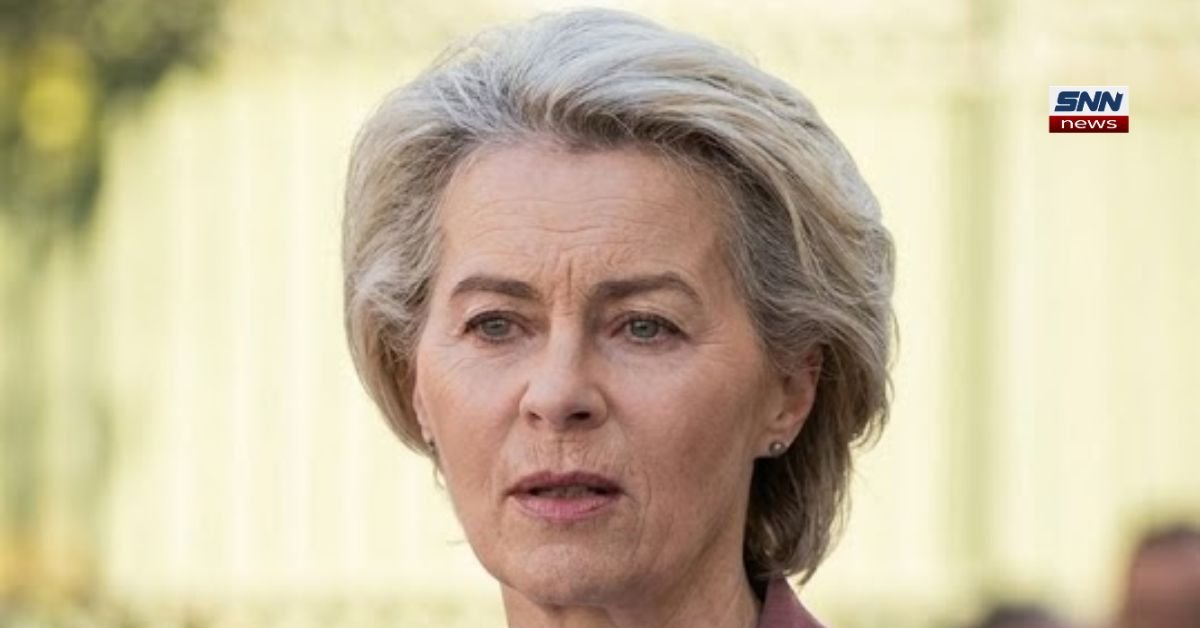
European Commission President Ursula von der Leyen has stated that it is “too early” to consider lifting sanctions on Iran, emphasizing that any easing of restrictions must be tied to clear and meaningful changes on the ground.
Her remarks came on Monday and reflect the European Union’s continued cautious stance on Iran’s political and nuclear-related activities.
The statement highlights that sanctions will remain in place unless Iran demonstrates measurable progress that addresses international concerns.
The comments are being closely watched in diplomatic circles, especially as discussions around Iran’s nuclear program and regional policies continue to influence global stability.
Introduction: What Was Said, When, and Why It Matters
On Monday, European Commission President Ursula von der Leyen addressed the issue of sanctions on Iran, stating that conditions are not yet suitable for lifting them.
She stressed that:
- The current situation does not justify easing restrictions
- Any decision must depend on real and verifiable changes
- The European Union will continue monitoring Iran’s actions closely
The statement comes at a time when international negotiations and geopolitical tensions involving Iran remain sensitive, particularly concerning nuclear compliance and regional security concerns.
Background: Why Iran Is Under EU and International Sanctions
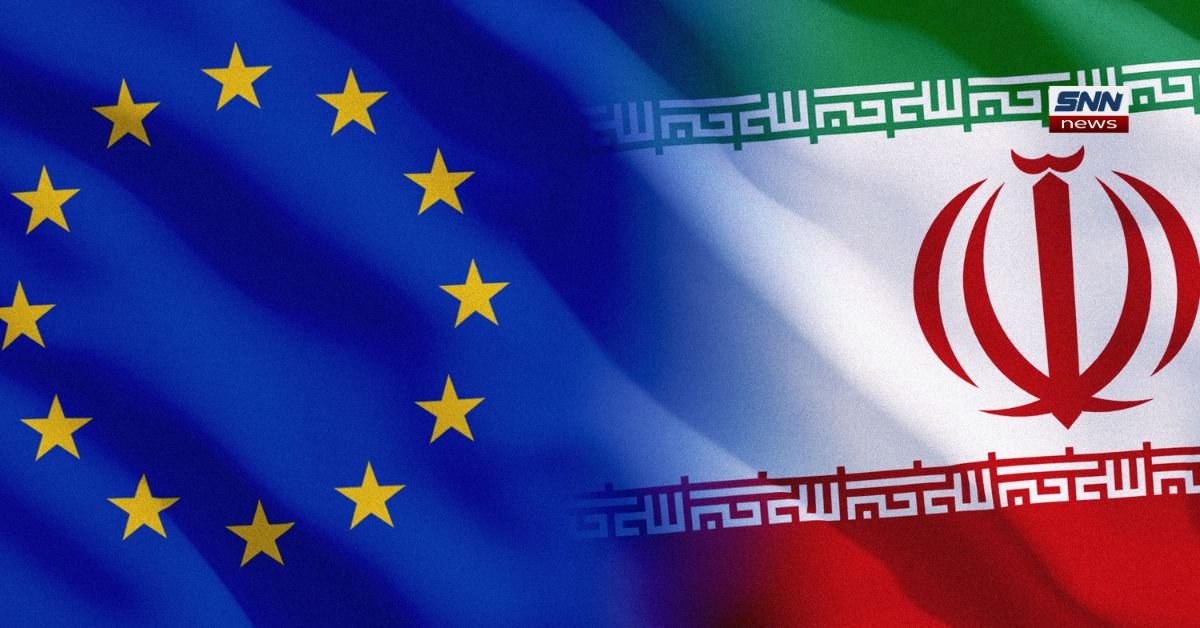
Sanctions on Iran are not new. They have been in place for years and are linked to several major issues, including:
- Iran’s nuclear program and enrichment activities
- Concerns over compliance with the Joint Comprehensive Plan of Action (JCPOA) signed in 2015
- Regional security tensions in the Middle East
- Allegations related to missile development and geopolitical interference
- Iran Sanctions
The JCPOA, commonly known as the Iran nuclear deal, was originally designed to limit Iran’s nuclear capabilities in exchange for lifting international sanctions.
However, after the United States withdrew from the agreement in 2018, tensions increased and the deal has faced ongoing challenges.
The European Union has continued to support diplomatic efforts but has also maintained certain sanctions due to unresolved concerns.
Ursula von der Leyen’s Position on Sanctions
Ursula von der Leyen’s latest statement reinforces a consistent EU policy approach: sanctions should only be lifted when conditions are fully met.
Key points from her stance include:
- Sanctions remain an important diplomatic tool
- Iran must demonstrate “real change” before any easing
- The EU supports dialogue but insists on accountability
- Security and stability remain top priorities for Europe
- Iran Sanctions
Her message signals that the European Commission is not ready to soften its position despite ongoing diplomatic pressure or negotiations.
What “Real Change” Means in EU Policy
When EU officials refer to “real change,” they are generally referring to measurable improvements in several areas, such as:
- Full compliance with nuclear transparency requirements
- Cooperation with international monitoring bodies like the IAEA
- Reduction of regional military tensions
- Progress in diplomatic negotiations with global powers
- Iran Sanctions
Without progress in these areas, the EU is unlikely to reconsider its sanctions framework.
Global Diplomatic Context: Why This Statement Is Important Now
The timing of von der Leyen’s remarks is significant. The international community continues to face uncertainty regarding Iran’s nuclear activities and broader geopolitical role.
Several key factors make the issue especially relevant:
- Ongoing diplomatic discussions between Iran and world powers
- Concerns about nuclear escalation risks
- Regional instability in the Middle East
- Diverging approaches between global actors such as the EU, US, and others
- Iran Sanctions
The European Union is attempting to maintain a balanced approach—supporting diplomacy while ensuring security concerns are not ignored.
Impact on International Relations and Markets
Sanctions on Iran affect more than diplomacy. They also influence global economic and political systems.
Potential impacts include:
- Energy markets: Iran’s role as an oil-producing nation means sanctions can affect global supply and pricing stability
- Trade relations: Restrictions limit economic engagement between Iran and European companies
- Regional security: Sanctions are tied to broader concerns about Middle East stability
- Diplomatic alignment: Differences in policy between the EU, US, Russia, and China continue to shape negotiations
- Iran Sanctions
Experts believe that any future change in sanctions policy could significantly influence both regional and global markets.
European Union’s Broader Strategy on Iran
The EU has consistently promoted a dual-track strategy:
- Maintaining pressure through sanctions when necessary
- Encouraging diplomatic engagement and negotiation
- Iran Sanctions
This approach aims to balance security concerns with the possibility of long-term diplomatic resolution.
Officials in Brussels have repeatedly stated that dialogue remains open, but it must be supported by concrete action from all involved parties.
What Happens Next?
At this stage, no immediate changes to sanctions are expected. The European Commission is likely to continue monitoring developments closely, particularly:
- Iran’s compliance with international nuclear agreements
- Progress in diplomatic negotiations with global powers
- Regional security developments
- Reports from international monitoring agencies
- Iran Sanctions
Any future decision on sanctions will depend heavily on verified progress rather than political pressure or short-term diplomatic shifts.
Conclusion: EU Maintains a Cautious and Conditional Approach
Ursula von der Leyen’s statement clearly reinforces the European Union’s current position: sanctions on Iran will not be lifted prematurely.
The EU is signaling that:
- Stability and compliance are essential conditions
- Diplomatic engagement remains open
- However, concrete change is required before policy shifts occur
- Iran Sanctions
As global tensions continue to evolve, Iran sanctions remain a central issue in international diplomacy, with significant implications for security, trade, and geopolitical balance.
Iran Sanctions policy remains unchanged as EU demands verified progress before considering relief.
About The Author