
By Riffat Kausar
Snn News Finland
Netanyahu Orders Broader Military Action as Israel Intensifies Operations in Lebanon
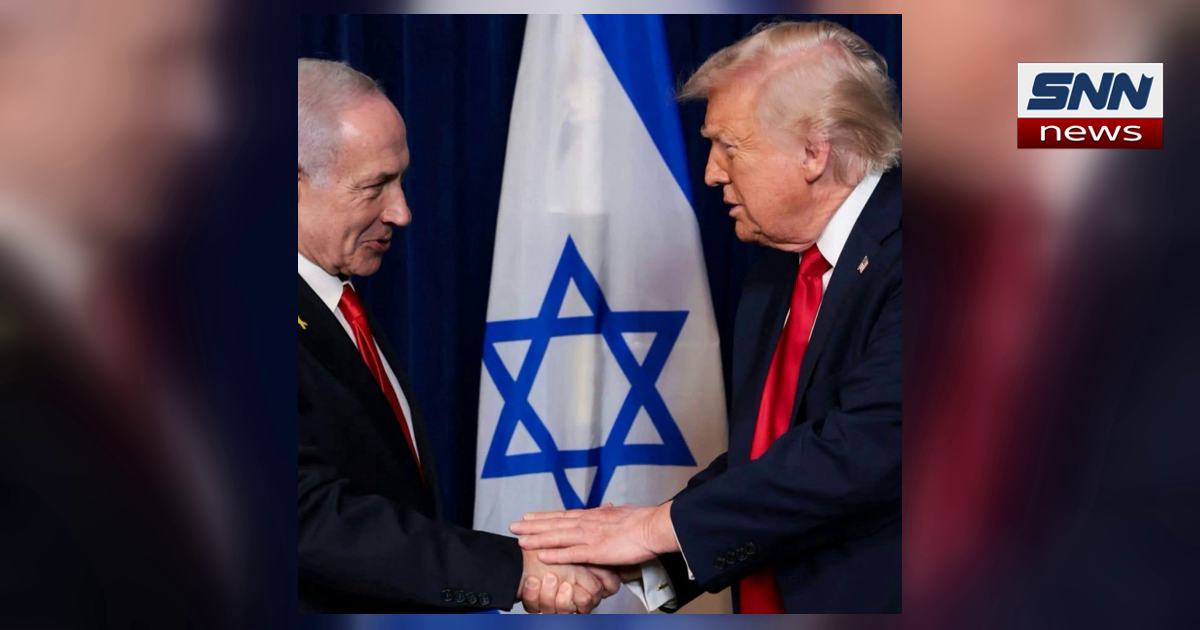
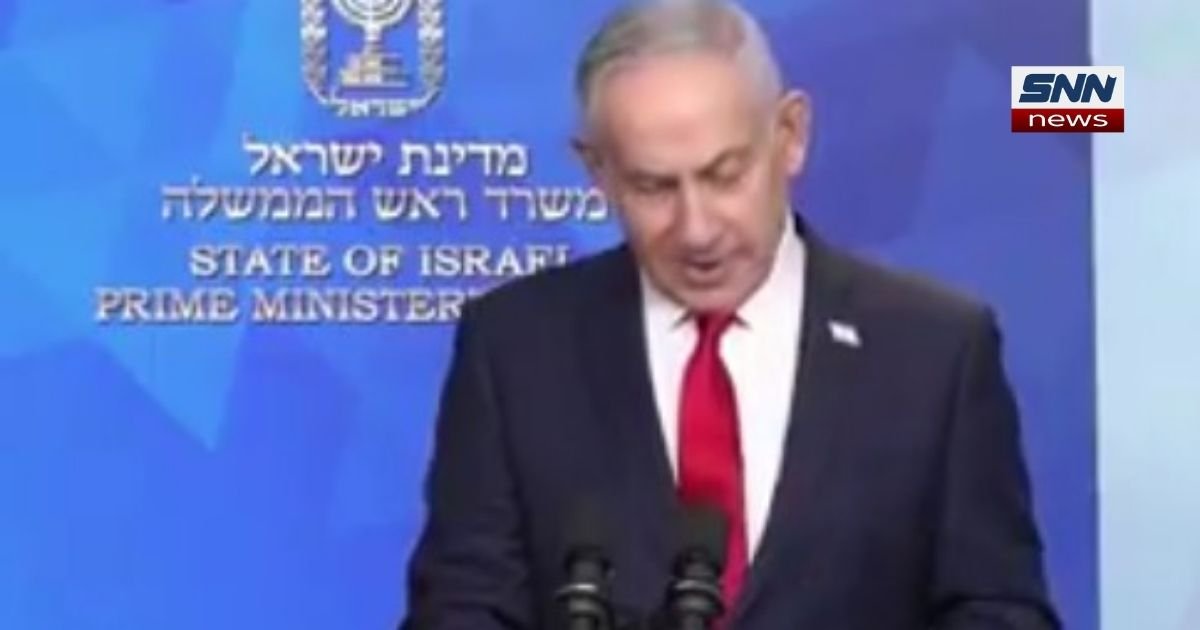
Israeli Prime Minister Benjamin Netanyahu announced that Israeli forces have expanded their military operations in Lebanon, stating that troops have crossed the Litani River and taken control of key positions previously associated with Hezbollah.
Speaking publicly on the latest developments, Netanyahu said Israel is pursuing a broader military strategy across multiple fronts, including Lebanon, Gaza, and Syria.
His remarks come amid continuing regional tensions and ongoing security concerns along Israel’s northern border.
The statement signals a significant escalation in Israel’s military posture in Lebanon and highlights the government’s intention to maintain pressure on armed groups operating near its frontier.
Netanyahu Claims Israeli Forces Have Advanced Beyond Previous Positions
According to Netanyahu, he instructed the Israel Defense Forces (IDF) to deepen and expand military activities in southern Lebanon.
He stated that Israeli troops crossed the Litani River, a strategically important waterway located north of the Israel-Lebanon border.
The prime minister also claimed that Israeli forces had secured dominant terrain and captured the Beaufort ridge, a historic and strategically significant high-ground position overlooking parts of southern Lebanon.
“We have broken the fear barrier. While outlining Israel’s security strategy, Netanyahu said the country is actively conducting operations across multiple areas, including Syria, Gaza, and Lebanon.
The comments reflect a shift toward more aggressive operational objectives as Israeli authorities seek to counter perceived threats from Hezbollah and other armed groups in the region.
Strategic Importance of the Litani River
Why the Litani River Matters
The Litani River has long held military and political significance in discussions surrounding security in southern Lebanon.
The area between the Israel-Lebanon border and the Litani River has frequently been referenced in international security arrangements, including efforts aimed at limiting the presence of armed groups near the frontier.
Military analysts often view control of terrain near the river as strategically valuable because it can influence movement, surveillance capabilities, and defensive operations.
Netanyahu’s statement that Israeli forces crossed the river suggests a broader operational reach than previous activities concentrated closer to the border area.
Strategic Importance of the Beaufort Ridge in Israel’s Lebanon Campaign
Historical and Tactical Significance
Netanyahu identified the capture of the Beaufort ridge as a major milestone in the ongoing operation.
The Beaufort fortress and surrounding ridge sit on elevated terrain in southern Lebanon and have historically been regarded as a strategic military position due to their commanding views of nearby areas.
Control of elevated ground can provide operational advantages, including:
- Enhanced surveillance capabilities
- Greater defensive positioning
- Improved observation of movement across surrounding territory
- Increased tactical flexibility for military operations
- Israeli Forces
The Israeli leader described the reported capture of the ridge as a “dramatic stage” and a significant change in the policy being pursued by his government.
Operations Extend Across Multiple Fronts
In his remarks, Netanyahu emphasized that Israel is conducting military operations simultaneously in several locations.
He referenced activities in:
- Lebanon
- Gaza
- Syria
- Israeli Forces
Israeli officials have repeatedly argued that security threats are interconnected across these fronts and require coordinated military responses.
The expansion of operations in Lebanon comes as fighting and cross-border exchanges have contributed to instability throughout the region.
Security developments in one area have frequently influenced military decisions elsewhere, creating a broader regional dimension to the conflict.
Regional Security Concerns Continue to Grow
The latest announcement highlights growing concerns about regional security and the possibility of wider military escalation.
Observers note that developments in Lebanon carry significance beyond the immediate battlefield. Any expansion of military operations could affect civilian populations, diplomatic efforts, humanitarian conditions, and regional stability.
International actors have repeatedly called for restraint and emphasized the importance of preventing a broader conflict that could involve additional countries and armed groups.
At the same time, governments across the region continue to monitor developments closely as military activities evolve.
Political Message Behind Netanyahu’s Remarks
Netanyahu’s comments also carry political significance. By stating that Israel has “broken the barrier of fear,” the prime minister sought to portray the military campaign as a demonstration of strength and initiative.
Such statements are often intended to reassure domestic audiences, signal determination to adversaries, and communicate strategic objectives to international observers.
The announcement reflects Israeli Forces position that military pressure is necessary to address security threats, while critics and humanitarian organizations continue to raise concerns about the broader consequences of ongoing conflict in the region.
International Attention Focused on Lebanon Developments
Military activity in southern Lebanon remains under close international scrutiny due to its potential impact on regional peace and security.
Governments, diplomatic organizations, and security analysts continue to assess the implications of reported troop movements, territorial control, and evolving military objectives.
As events develop, attention is likely to remain focused on whether operations expand further, how regional actors respond, and what consequences these actions may have for stability in the Middle East.
For now, Israeli Forces announcement marks one of the clearest indications yet that Israeli Forces intends to deepen its military presence in areas of southern Lebanon that it says were previously under Hezbollah influence, potentially reshaping the security landscape along the northern frontier.
/israel-lebanon-military-operations-netanyahu-latest-update
About The Author