

By Hammad Kahlun
Scandinavian News Finland
Thousands Visit Isfahan’s Riverfront Following Water Revival
Residents of Isfahan, one of Iran’s most historic and culturally significant cities, are celebrating the return of water to the Zayandeh Rud River after years of severe drought and reduced water flow.
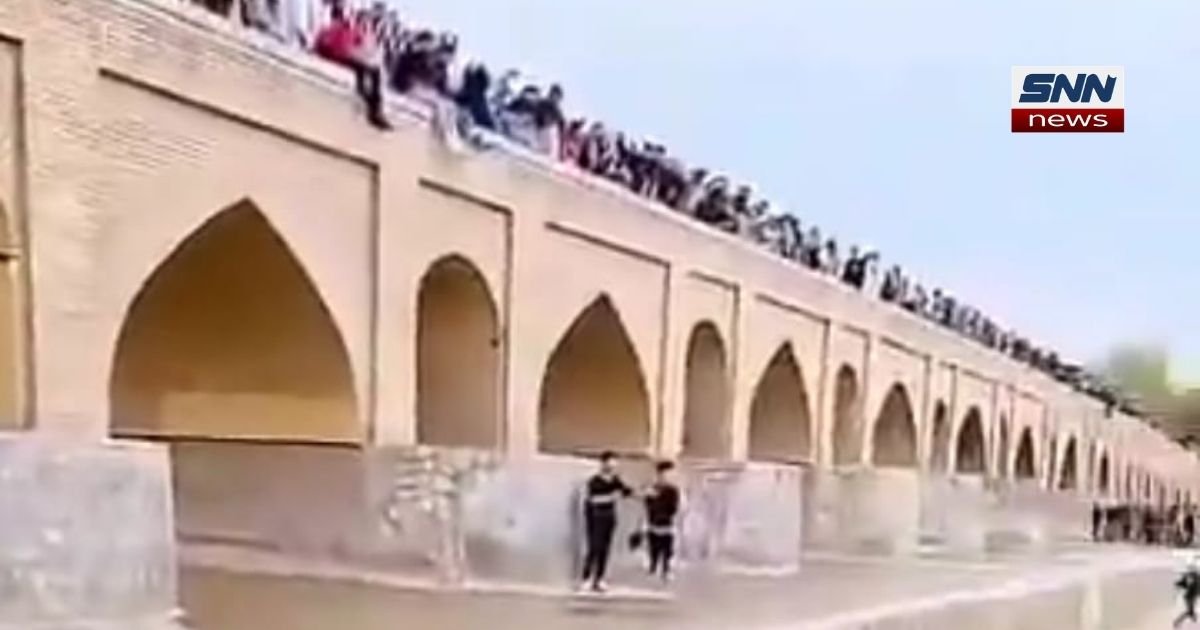
Videos shared by local residents show large crowds gathering along the riverbanks, capturing the moment on their phones and expressing joy as water once again moves through the heart of the city.
The return of water has transformed public spaces around the river, drawing families, tourists, and local communities eager to witness a scene that had become increasingly rare in recent years.
For many residents, the flowing river represents more than a natural event it symbolizes hope, renewal, and a temporary relief from years of environmental challenges.
Zayandeh Rud: The Lifeline of Isfahan
The Zayandeh Rud River has long been considered the lifeblood of Isfahan. Stretching across central Iran, the river has historically supported agriculture, urban development, tourism, and local ecosystems.
For centuries, the river has been closely linked to Isfahan’s identity. Many of the city’s most famous landmarks, including historic bridges and public squares, were designed around its waters.
The river’s presence helped shape Isfahan into one of Iran’s most important cultural and economic centers.
However, prolonged drought conditions, changing weather patterns, population growth, and increasing pressure on water resources have significantly reduced water levels over the past decade.
In some years, large sections of the riverbed remained completely dry for extended periods.
Heavy Rainfall Brings Temporary Relief
Recent rainfall across parts of Iran has contributed to improved water levels in the river basin, allowing water to flow once again through sections of Isfahan.
Residents reported seeing water return to areas that had remained dry for years. Social media platforms quickly filled with images and videos showing people walking along riverbanks, taking photographs, and celebrating the river’s revival.
Many locals described the event as emotional, particularly for younger generations who have spent much of their lives seeing the river either partially dry or completely empty.
The renewed flow has also attracted visitors from nearby towns and cities who traveled to Isfahan to witness the rare sight.
Public Reaction Reflects Deep Connection to the River
The public response highlights the strong cultural and emotional bond between Isfahan’s residents and the Zayandeh Rud River.
Throughout the city, people gathered at popular viewing points and historic bridges. Families spent time outdoors, while photographers and content creators documented the scene.
Videos circulating online showed:
- Crowds lining the riverbanks
- Families enjoying public spaces near the water
- Residents filming the flowing river
- Visitors taking photographs of historic bridges
- Children playing near newly restored waterfront areas
The atmosphere reflected a sense of optimism and community participation rarely seen during years of drought-related concerns.
Environmental Challenges Remain
While the return of water has been welcomed, environmental experts continue to emphasize that long-term water management challenges remain across central Iran.
The Zayandeh Rud River has faced multiple pressures over the years, including:
Climate and Weather Factors
- Reduced annual rainfall
- Rising temperatures
- Increased evaporation rates
- Extended drought periods
Human and Infrastructure Pressures
- Growing urban demand for water
- Agricultural consumption
- Industrial water requirements
- Regional water distribution challenges
Experts note that a temporary increase in river flow does not necessarily signal a permanent solution to the broader water crisis affecting parts of the country.
Importance of the River to Tourism and Local Economy
The river’s revival is also significant for tourism in Isfahan.
Known for its Islamic architecture, historic bridges, gardens, and cultural heritage, Isfahan attracts visitors from across Iran and around the world.
The presence of water in the Zayandeh Rud River enhances the city’s visual appeal and supports businesses that depend on tourism.
Popular attractions along the river become more vibrant when water is flowing, creating opportunities for local restaurants, cafes, retailers, and tourism-related services.
Business owners in some areas have expressed hope that increased visitor activity could provide a boost to the local economy.
Historical Significance of Zayandeh Rud
The river has played a central role in Isfahan’s development for centuries. Historical records show that the city’s growth and prosperity were closely linked to reliable access to water.
Several iconic bridges spanning the river remain among Iran’s most recognized architectural landmarks. These structures were built not only for transportation but also as social and cultural gathering places.
When the river dries up, the impact is visible not only environmentally but also culturally, affecting how residents experience public life and connect with their city’s history.
The return of water therefore carries symbolic significance that extends beyond environmental conditions.
Looking Ahead
Although recent rainfall has brought welcome relief, specialists continue to monitor water levels and long-term sustainability concerns.
The future of the Zayandeh Rud River will likely depend on a combination of weather conditions, conservation measures, and broader water management policies.
For now, however, residents of Isfahan are embracing a rare and memorable moment. The sight of water flowing once again through the city has brought communities together and reminded many of the river’s enduring importance.
As thousands continue visiting the riverbanks, the return of the Zayandeh Rud stands as a powerful reminder of the connection between people, nature, and the historical identity of one of Iran’s most celebrated cities.
/isfahan-zayandeh-rud-river-flows-again-after-years-of-drought/
About The Author