
By Hammad Kahlun
Scandinavian news Finland
Pakistan’s new foreign media rules now require journalists working for international outlets to obtain government permission before reporting outside Islamabad, Karachi, or Lahore, a move press freedom groups say is designed to limit coverage of unrest in Pakistan-administered Kashmir.
The Ministry of Information and Broadcasting issued the Foreign Media Rules Facilitation Guidelines 2026 this week, formalizing a requirement that international journalists and, under an expanded version, Pakistani nationals working for foreign outlets secure a No Objection Certificate (NOC) before traveling to report from most of the country.
What the Pakistan Foreign Media Rules Require
Under the guidelines, reporters can work freely only in the three largest cities. Anywhere else, including politically sensitive regions such as Azad Kashmir, Gilgit-Baltistan, Peshawar, and Quetta, requires prior clearance from the ministry’s External Publicity Wing.
Authorities say the framework is meant to organize and facilitate Foreign Media Rules work, not restrict it. Accreditation can be suspended if officials judge a journalist’s reporting harms Pakistan’s “ideology, sovereignty, security or public order.”
Timing Tied to Kashmir Unrest
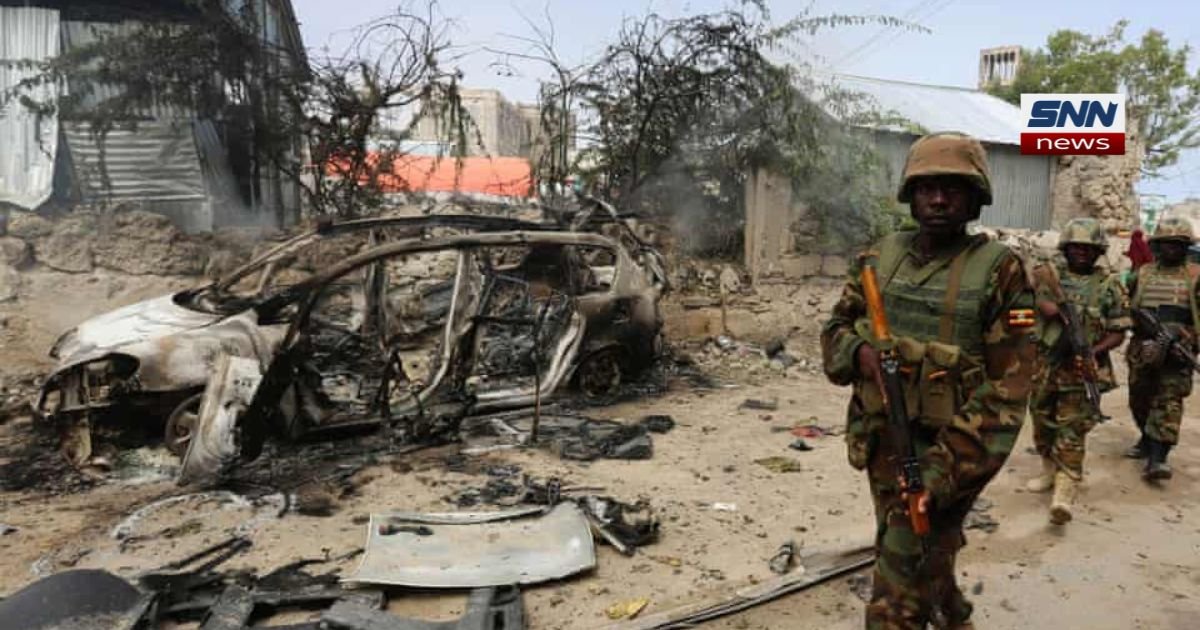
The rules arrived amid protests in Pakistan-administered Kashmir over alleged electoral irregularities, with authorities suspending mobile and internet service during the vote that began July 27. International reports say at least 40 people died in unrest ahead of the election.
Officials have also ordered several foreign reporters without valid permits to leave Pakistan-administered Kashmir following international coverage of the clashes.
At least three journalists who covered the unrest have since been detained or gone missing, according to press freedom monitors.
Key Facts
- New NOC requirement applies to reporting outside Islamabad, Karachi, and Lahore.
- Guidelines also now cover Pakistani nationals working for Foreign Media Rules outlets.
- Comes amid Kashmir election unrest; at least 40 reported deaths ahead of the July 27 vote.
- CPJ and Human Rights Watch have urged the rules be withdrawn.
- Accreditation can be revoked over coverage deemed against “sovereignty” or “public order.”
- Foreign Media Rules
FAQs:
What are Pakistan’s new foreign media rules?
They require journalists working for international outlets to get a No Objection Certificate (NOC) before reporting outside Islamabad, Karachi, or Lahore.
Why were the rules introduced now?
They follow weeks of international coverage of unrest in Pakistan-administered Kashmir, including disputed election-related violence.
Do the rules affect local journalists too?
Yes an expanded version also requires Pakistani nationals contributing to foreign media to register and seek permission.
Who has criticized the rules?
The Committee to Protect Journalists and Human Rights Watch have both called for the guidelines to be withdrawn.
Has the government responded to the criticism?
Yes, officials say the rules are meant to facilitate and coordinate Foreign Media Rules work, not restrict reporting.
International Criticism of the New Rules
The Committee to Protect Journalists (CPJ) has called the guidelines “draconian” and urged Pakistani authorities to withdraw them, warning they amount to censorship of Kashmir coverage.
Human Rights Watch has separately criticized the policy as a serious threat to press freedom.
Pakistan’s government has defended the measure, saying it streamlines coordination with Foreign Media Rules rather than restricting journalistic activity.
Pakistan’s new Foreign Media Rules now require journalists working for international outlets to obtain government permission before reporting outside Islamabad, Karachi, or Lahore, a move press freedom groups say is designed to limit coverage of unrest in Pakistan-administered Kashmir.
About The Author