
By Shumaila Aslam
Bureau Chief Pakistan
Snn News Finland
Yemeni Forces Report Advances Around Sanaa
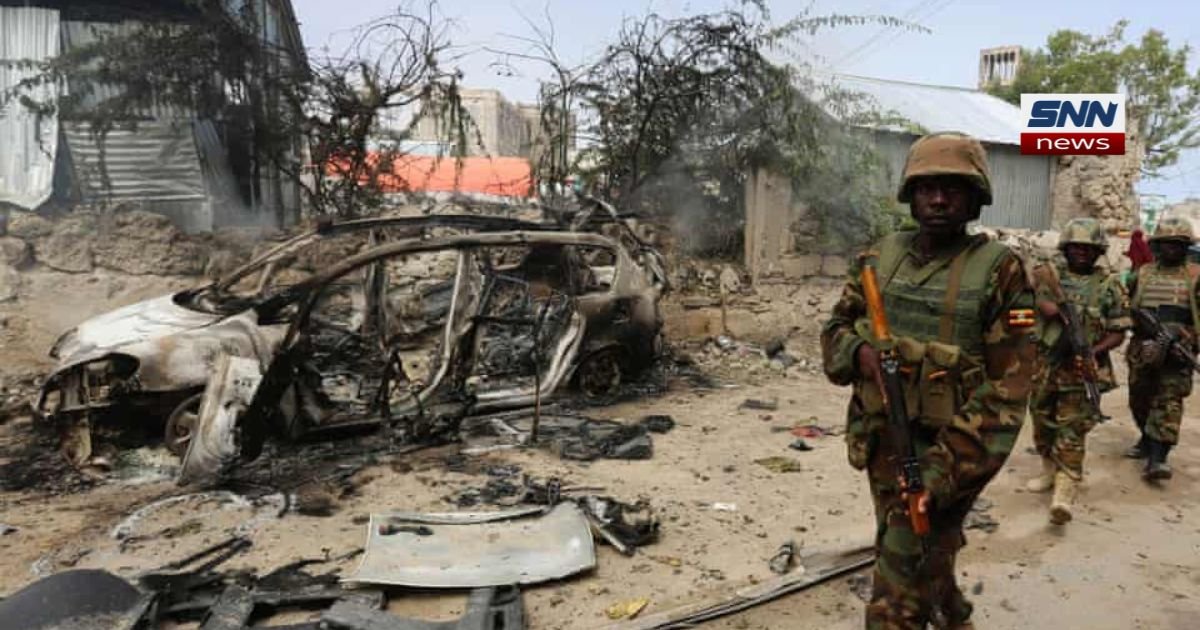
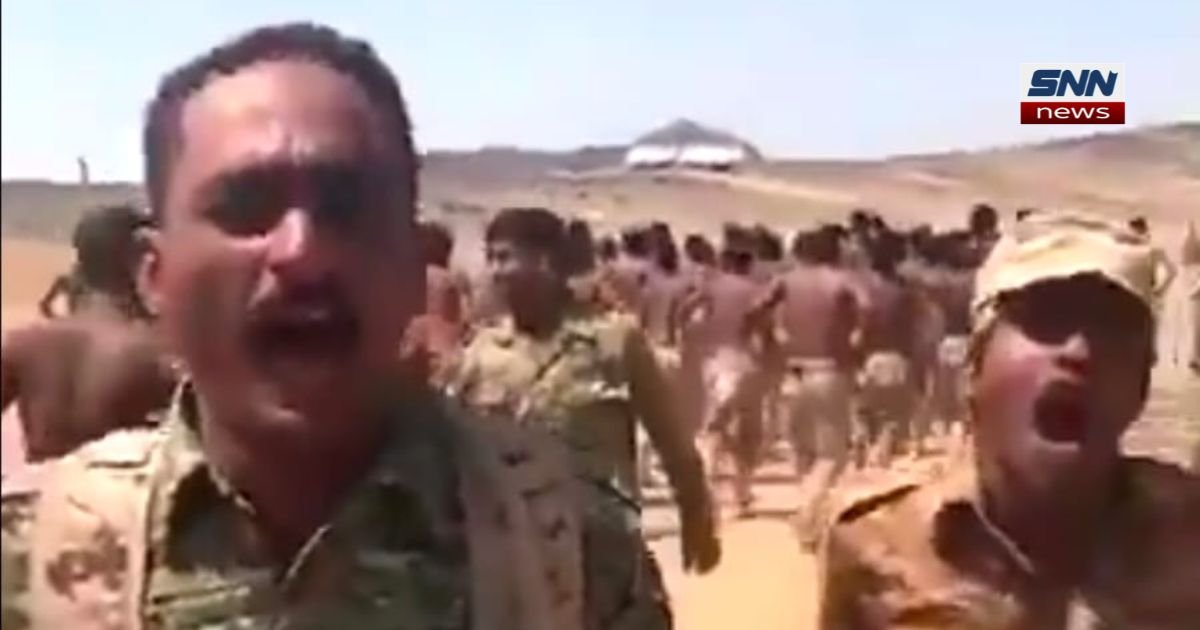
Yemeni Forces Claim government-aligned forces say they have made significant advances on the outskirts of Sanaa, according to a report from a field correspondent. Fighters were seen marching toward Hudaydah in a celebratory display, according to footage cited in the report.
The claims describe pressure building on Houthi-held areas from multiple directions rather than a single front. It is important to note that battlefield claims made by any party to an active conflict have not been independently verified.
Claims of Control in Ma’rib, Hadramawt, and Sa’dah
According to the report, Yemeni forces state they now hold Ma’rib, Hadramawt, and Sa’dah. These areas have historically been contested or held by different factions throughout the conflict, and this report’s claims reflect statements from one side rather than confirmed, independently verified territorial control.
Analysts and observers typically caution that self-reported battlefield gains in Yemen’s conflict often require corroboration from multiple sources, satellite imagery, or neutral monitors before they can be treated as confirmed fact.
Rhetoric Directed at Houthi Forces and Iran
The report includes strong rhetoric from a Yemeni military figure, who called on Houthi fighters to confront government forces directly and vowed to defeat what was described as Iranian-backed elements within Houthi ranks. Such language is common in wartime messaging and reflects morale-building rhetoric rather than a factual military assessment.
This report does not verify claims about Iranian involvement in Houthi operations, which remain a matter of ongoing debate among regional analysts and international observers.
Celebratory Displays Reported Among Yemeni Fighters
Footage described in the report shows Yemeni forces marching toward Hudaydah in a traditional celebratory dance style, suggesting high morale among troops following recent battlefield developments. Such displays are common in the region following reported military successes, though they do not by themselves confirm the extent of territorial control.
Background: Yemen’s Ongoing Conflict
Yemen has been engulfed in conflict since 2014, when Houthi forces, backed in part by Iran, seized the capital Sanaa and large parts of the country’s north. In 2015, a coalition headed by Saudi Arabia stepped in to back Yemen’s internationally recognized government, triggering years of conflict, fluctuating battle lines, and multiple failed ceasefire efforts.
Control over cities such as Hudaydah, Ma’rib, and Sa’dah has changed hands or remained contested at various points during the war, making unverified claims of full control common from all sides of the conflict.
Frequently Asked Questions
Q: Have Yemeni forces confirmed control of Ma’rib, Hadramawt, and Sa’dah?
A: These are claims made by Yemeni forces in this report and have not been independently verified by neutral or international sources.
Q: What is happening near Hudaydah?
A: Yemeni forces are reported to be marching toward Hudaydah, described in celebratory terms, though the current battlefield status there has not been independently confirmed.
Q: Does this report confirm Iranian involvement in Houthi operations?
A: No. References to Iranian backing reflect rhetoric from a Yemeni military figure and are not independently verified in this report.
Q: Is this part of an ongoing war?
A: Yes. Yemen has been in conflict since 2014, involving Houthi forces, the internationally recognized government, and a Saudi-led coalition.
What to Watch Next
Observers will likely look for independent confirmation of the territorial claims described in this report, including statements from international monitors, satellite evidence, or corroborating reports from additional sources on the ground. Any further advances toward Hudaydah or Sanaa would mark a significant development in the broader conflict.
Iran’s regional footprint remains under scrutiny beyond Yemen as well — Iraqis have recently held nationwide protests against Iranian influence, reflecting a broader pattern of pushback across the region.
About The Author