
By Shumaila Aslam,
Pakistan Bureau Chief
Scandinavian News Agency
Taiwan rocket test ended in failure on August 19 after a domestically developed satellite launch vehicle developed an anomaly shortly after liftoff and deviated from its planned trajectory, according to Taiwan’s National Chung-Shan Institute of Science and Technology (NCSIST).
The institute said its emergency self-destruct mechanism was activated and the vehicle’s debris was kept within a designated safety control area. No injuries or property damage were reported.
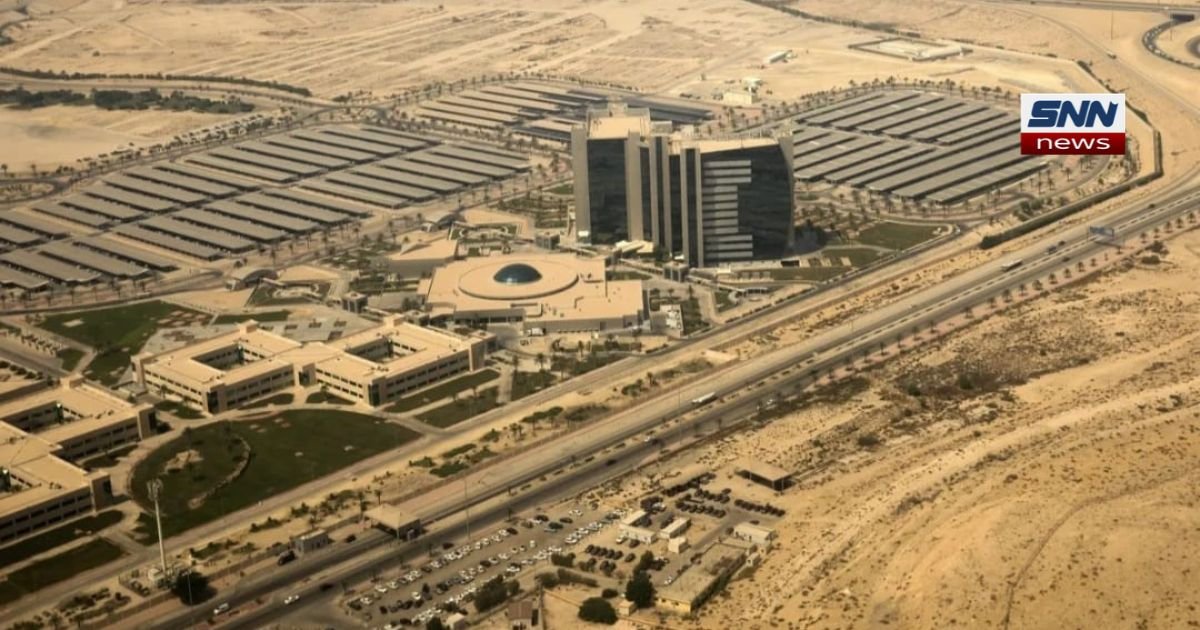
The test was conducted at the Jiupeng Base in Pingtung County, a sparsely populated area where Taiwan carries out weapons and flight-related testing.
Local reports said residents became alarmed after seeing the vehicle change direction toward an inland mountainous area instead of following its expected path toward the sea.
Taiwan Rocket Test Encounters Early Flight Anomaly
NCSIST said the launch vehicle experienced an abnormality during the initial stage of flight. Operators then followed a pre-established emergency procedure and activated the self-destruct mechanism to control where the vehicle came down.
The institute has not publicly identified a definitive technical cause for the anomaly. It said engineers will examine telemetry data collected during the test and use the findings to revise the vehicle’s design.
The test marked the first time Taiwan tested this domestically developed launch vehicle. Taiwan Rocket Test has previously relied on foreign-made equipment for similar capabilities, making the test part of the island’s broader effort to develop indigenous aerospace technology.
Residents Alarmed by Taiwan Rocket Test
The unexpected change in trajectory caused concern among nearby communities. Local media reported that residents initially feared the object could represent an incoming missile because it appeared to move inland toward the mountains.
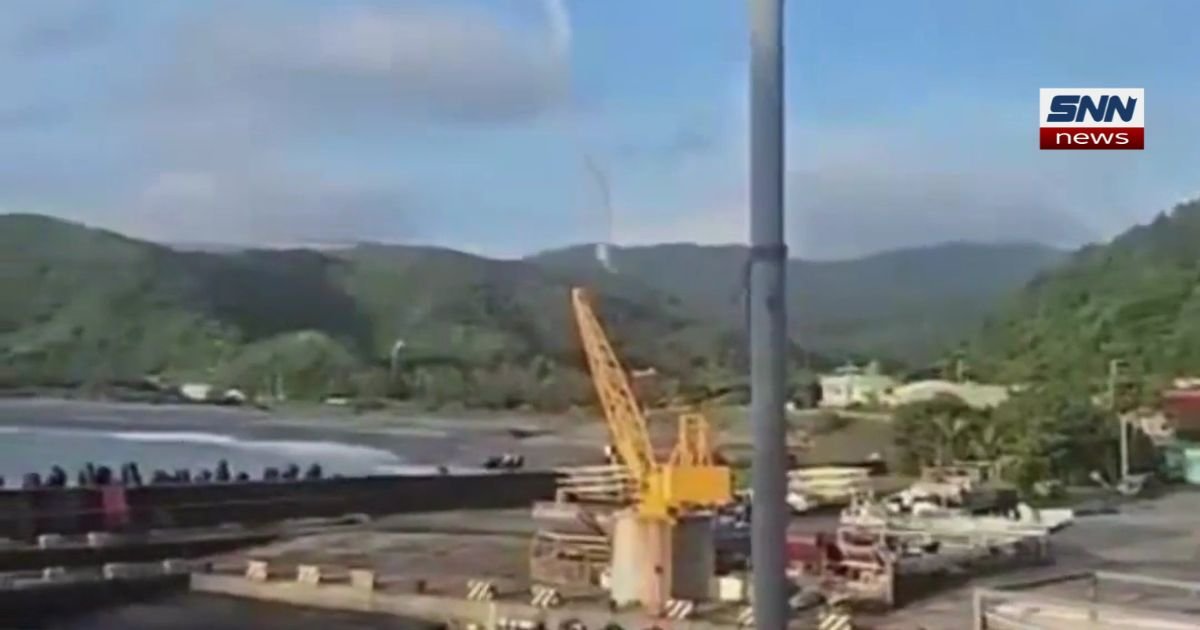
Video footage reported by Taiwanese media showed the vehicle changing direction after launch before coming down in a mountainous area. Residents described hearing a loud impact and seeing smoke following the incident.
The Pingtung County Government subsequently called for an investigation and urged NCSIST to suspend further launch tests until the cause was clarified. It also asked the institute to review its procedures and future flight paths to reduce risks to nearby communities and Indigenous villages.
What Taiwan Rocket Test Says About Safety
NCSIST said the vehicle’s self-destruct procedure was part of its planned emergency response and that the resulting fall remained within the designated safety control area. The institute reported no casualties or property damage.
The incident highlights the safety challenges involved in testing new launch vehicles, particularly during early-stage flight.
An anomaly during the initial flight phase does not by itself establish the precise reason for a test failure, and NCSIST said further analysis of telemetry data is required.
The institute has said it will use those findings to make design changes before future testing. No final public explanation of the technical failure had been announced in the sources reviewed for this report.
Key Facts
- The Taiwan Rocket Test took place on August 19 at NCSIST’s Jiupeng Base in Pingtung County.
- The domestically developed launch vehicle experienced an anomaly shortly after liftoff.
- NCSIST said its emergency self-destruct mechanism was activated.
- The vehicle came down within the planned safety control area.
- No injuries or property damage were reported.
- Taiwan Rocket Test ,
FAQs:
What happened during Taiwan’s rocket test?
The domestically developed launch vehicle experienced an early flight anomaly and deviated from its intended trajectory before the emergency procedure was activated.
Where did the test take place?
The test was conducted at the Jiupeng Base in Pingtung County in southern Taiwan.
Was anyone injured?
NCSIST reported that there were no injuries or property damage from the incident.
Why did residents become alarmed?
Local reports said the vehicle unexpectedly moved toward an inland mountainous area, leading some residents to fear that they were witnessing a missile incident.
What happens next?
NCSIST said it will review telemetry data from the test and revise the vehicle’s design based on its findings.
National Chung-Shan Institute of Science and Technology official statement
About The Author