
By Riffat Kausar
Scandinavian News Agency
Operation Vivaldi has resulted in the recapture of a further 43.5 km² of territory in Ukraine’s Donetsk region, according to a statement from Ukraine’s Third Army Corps.
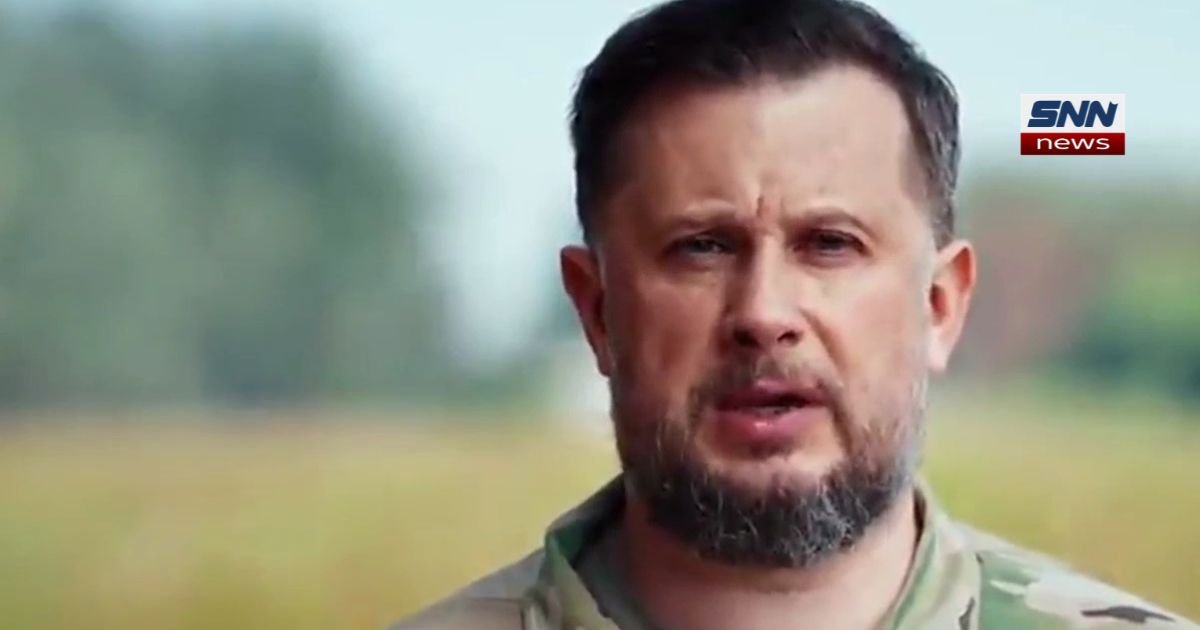
Corps commander Andrii Biletskyi said the latest gains include the villages of Shandryholove and Derylove, along with newly established control over Drobysheve.
Biletskyi stated that combined gains across both stages of Operation Vivaldi now total 125 km², including roughly 50 km² he described as “de-occupied.”
These figures have not been independently verified by Scandinavian News Agency, and Russian military officials had not issued a public response to the claims at the time of this report.
Operation Vivaldi’s Reported Territorial Gains
According to Biletskyi’s statement, Ukrainian forces have steadily expanded their footprint in the Donetsk sector over the course of the operation’s two stages.
The commander described the newly recaptured settlements as part of a broader push in the region, though the agency was not able to independently confirm ground conditions or the current front-line positions through open-source mapping at the time of publication.
Ukrainian officials have periodically released territorial figures throughout the war, which are sometimes later revised or disputed by Russian sources or independent monitoring groups.
Readers should treat the specific square-kilometer figures cited here as claims made by the Ukrainian side rather than confirmed, neutral measurements.
Casualty Claims From the Donetsk Offensive
Biletskyi also said Russian forces suffered more than 800 killed during the second stage of Operation Vivaldi alone, with total losses including wounded personnel and prisoners of war exceeding 3,000.
As with the territorial claims, these casualty figures come solely from the Ukrainian Third Army Corps and could not be independently verified. Neither Russia’s Ministry of Defense nor independent casualty-tracking organizations had confirmed or disputed the numbers as of this report.
Casualty figures from both sides of the war have historically varied widely between Ukrainian, Russian, and third-party assessments, and are often difficult to verify in real time.
Key Facts
- Ukraine’s Third Army Corps claims 43.5 km² recaptured in the latest phase of Operation Vivaldi
- Total claimed gains across two stages: 125 km², including about 50 km² described as “de-occupied”
- Commander Andrii Biletskyi cites over 800 Russian personnel killed in stage two alone
- Total Russian losses, including wounded and captured, reportedly exceed 3,000
- New tactic reportedly uses drones and ground robots ahead of infantry, with kamikaze robots deployed over 10 km behind enemy lines
- Donetsk Offensive
FAQs:
What is Operation Vivaldi?
It is a Ukrainian military operation in the Donetsk region, referenced by the Third Army Corps as unfolding in at least two stages with claimed territorial gains.
How much territory does Ukraine say it has recaptured?
Commander Andrii Biletskyi stated a combined total of 125 km² across both stages, with 43.5 km² gained most recently.
Are these casualty figures confirmed by independent sources?
No. The casualty figures come from the Ukrainian Third Army Corps and have not been independently verified by Scandinavian News Agency or confirmed by Russian officials.
What new tactics did Ukraine describe?
Biletskyi said drones and unmanned ground vehicles now advance ahead of infantry, with heavier UAVs reportedly deploying kamikaze ground robots over 10 km behind enemy lines.
Has Russia responded to these claims?
No public response from Russian military officials had been reported at the time this article was published.
New Drone and Robotic Assault Tactics
Separately, Biletskyi described a shift in Ukrainian assault tactics along this front. He said drones and unmanned ground vehicles are now advancing ahead of infantry units during assaults, a method intended to reduce risk to soldiers.
He further stated that heavier unmanned aerial vehicles (UAVs) are reportedly capable of deploying smaller kamikaze ground robots more than 10 kilometers behind Russian lines.
Unmanned ground vehicles, or UGVs, are remote-operated or autonomous machines used for tasks like reconnaissance, supply delivery, or direct attacks, reducing the need for soldiers to enter contested areas directly.
This tactic reflects a broader trend of increased drone and robotics use across the Russia-Ukraine war, though the specific operational details described here rely on a single military source.
Read more about the latest developments in the Donetsk Offensive and the ongoing Russia-Ukraine conflict.
About The Author