

By Riffat Kausar,
Scandinavian News Agency
Starlink Eyes One Account for Home and Mobile Connectivity
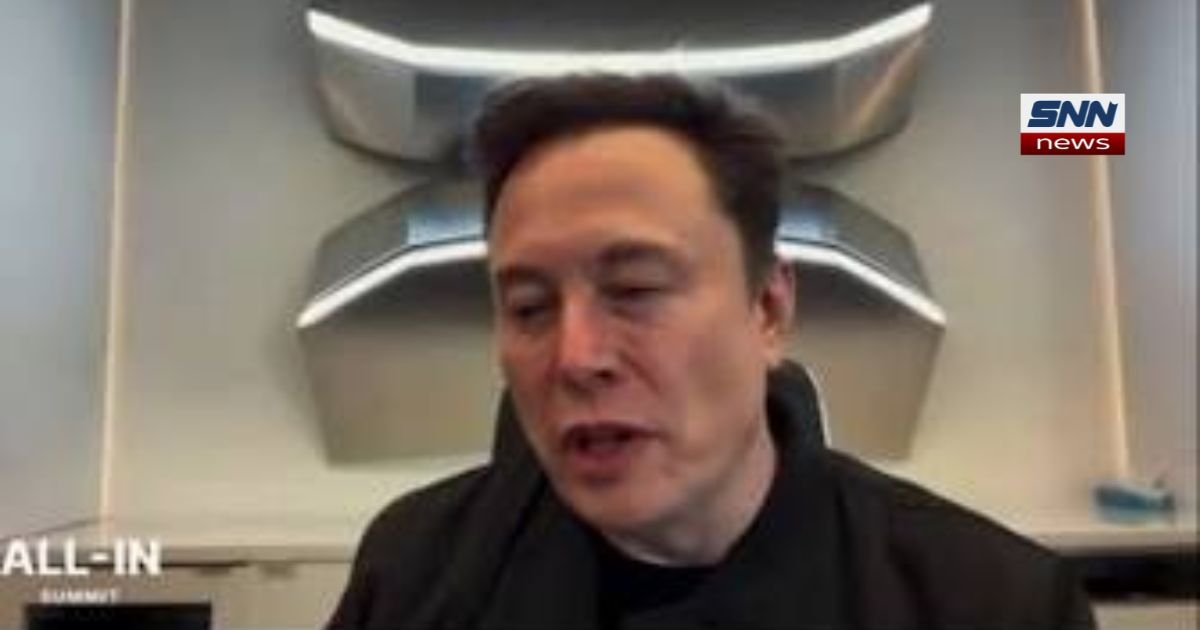
Starlink could eventually allow customers to use a single account for both home internet and mobile connectivity, according to comments attributed to SpaceX CEO Elon Musk in August 2026.
The proposed model would combine a Starlink home antenna and Wi-Fi service with satellite connectivity for compatible mobile phones.
The proposal is part of SpaceX’s broader effort to expand satellite-to-phone communications. However, the one-account concept should currently be viewed as a future service vision rather than a fully launched global product.
Secondary reporting has also noted that the proposal was not presented as an official Starlink product announcement.
Starlink Could Connect Phones Directly to Satellites
Starlink has already developed Direct to Cell, a technology designed to connect compatible mobile devices with satellites rather than relying entirely on traditional cellular towers.
SpaceX says the service was initially launched for messaging and is being expanded toward data, voice and other applications.
The technology is designed to extend connectivity into areas where conventional mobile coverage is unavailable. Starlink’s Direct to Cell satellites effectively act as cellular towers in space, while telecom operators provide spectrum and other network infrastructure needed for the service.
Key Facts
- Starlink is exploring a model combining home and mobile connectivity under one account.
- Direct to Cell already provides satellite-to-phone connectivity in selected markets.
- SpaceX is working with mobile operators in several countries.
- Future Starlink Mobile technology is expected to support higher-speed data and voice services.
- Availability depends on compatible devices, satellite capacity and regulatory approval.
- Starlink
Starlink Mobile V2 Could Expand Satellite Broadband
The next stage of the technology is already being developed through Starlink Mobile V2. Japan’s KDDI announced on September 15, 2026, that it had signed an agreement with SpaceX to introduce the next-generation satellite service, targeting high-speed data and voice calling in areas without terrestrial mobile coverage by the end of 2027.
According to KDDI, Mobile V2 is intended to provide a more conventional broadband experience from satellites, including internet browsing, streaming and native voice calls. The company says the service will initially focus on areas such as mountainous regions and remote islands that lack conventional cellular coverage.
Traditional Mobile Operators Would Still Matter
Musk’s proposal does not necessarily mean that Starlink would immediately replace conventional telecom companies. In comments reported in August, Musk said existing carriers would continue to have an important role because they control significant amounts of wireless spectrum.
Starlink’s current Direct to Cell model also demonstrates this relationship. SpaceX has partnered with operators including T-Mobile, Rogers, Optus, One NZ, KDDI and others to provide satellite connectivity using operators’ spectrum.
The technology could therefore develop as a complement to terrestrial networks, particularly in remote areas, rather than as an immediate replacement for cellular infrastructure.
FAQs:
Will Starlink replace mobile networks?
There is no indication that conventional mobile networks will disappear. Starlink’s current model works with telecom operators and their spectrum.
Can phones already connect directly to Starlink satellites?
Yes. Direct to Cell services are already commercially available in selected markets for supported devices and services.
Will one Starlink account cover home and mobile service?
Musk has described this as a potential future model, but it is not yet a universally available Starlink product.
When could faster satellite mobile service arrive?
KDDI is targeting Starlink Mobile V2 availability in areas outside terrestrial coverage by the end of 2027.
What is the main advantage of satellite-to-phone technology?
It can extend connectivity to places where conventional cellular towers do not provide coverage, particularly remote and hard-to-reach areas.
What the Starlink Plan Could Mean for Users
If the proposed model becomes commercially available, customers could potentially manage home internet and compatible mobile satellite connectivity through one Starlink account. This could simplify connectivity for people who regularly travel through areas without reliable terrestrial coverage.
There are still several factors that could affect the rollout, including satellite deployment, handset compatibility, spectrum arrangements and regulatory approvals in individual countries. KDDI’s planned Mobile V2 deployment illustrates that expanded satellite-to-phone broadband is still being developed over the coming years.
Starlink Direct to Cell information
About The Author