
By Muhammad Zia Mohiuddin
Scandinavian News Agency
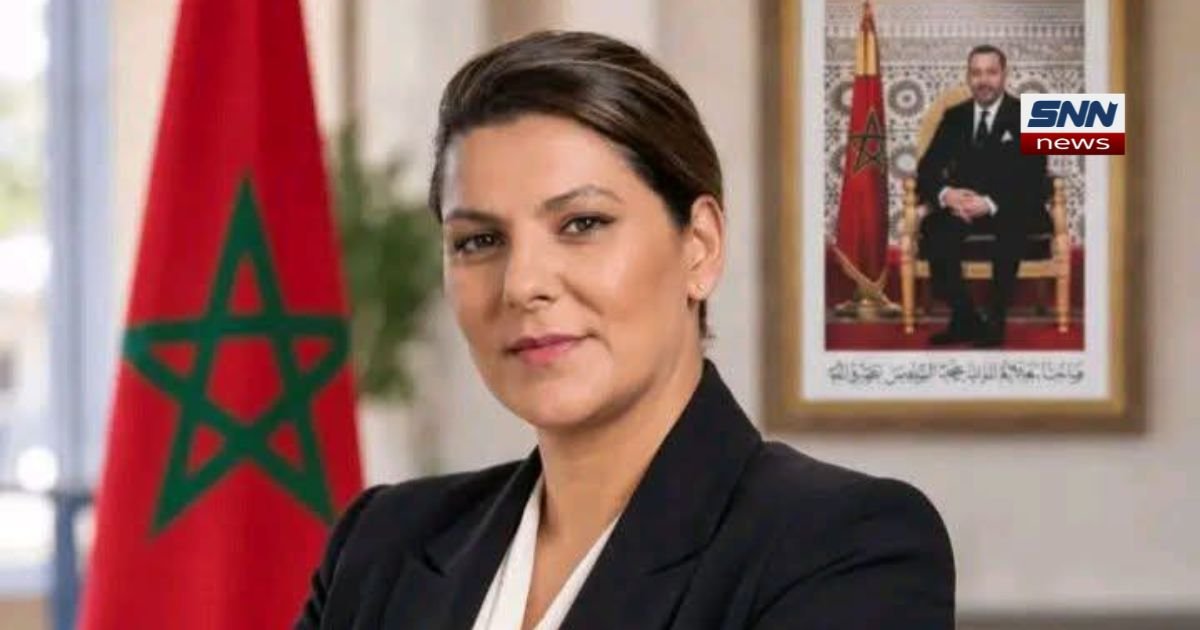
Morocco has appointed its first woman Prime Minister, according to a report from SNN News, naming Fatima Ezzahra El Mansouri to the country’s top government post. If confirmed through official channels, the move would mark a historic shift in a political system that has never before placed a woman at the head of government.
The appointment, as described in the SNN News report, is being framed as a milestone for women’s representation in Moroccan politics. It comes at a moment when the government is also under pressure to address everyday economic concerns, including jobs, the cost of living, and public services.
Morocco’s First Woman Prime Minister: What Is Known So Far
Details of the appointment process, including when it took effect and which body confirmed it, were not fully specified in the available report. Official confirmation from Morocco’s royal palace or the Head of Government’s office, which typically announces such appointments, could not be independently verified at the time of writing.
Morocco operates as a constitutional monarchy, where the king plays a central role in appointing the Prime Minister, usually from the political party that wins the most seats in parliamentary elections. Any change at this level is closely watched both domestically and across the region.
Why a Woman Prime Minister Matters for Morocco
Supporters of greater female representation say the appointment, if confirmed, could open doors for more women in senior government roles across North Africa. Morocco has taken gradual steps toward gender parity in politics in recent years, including quota systems for women in parliament, though the top executive post has remained male-held until now.
Observers caution that symbolic milestones do not automatically translate into policy change, and that the new government’s actual priorities will determine its lasting impact.
Key Facts
- Fatima Ezzahra El Mansouri has reportedly been named Morocco’s first woman Prime Minister, per SNN News
- Official confirmation from Moroccan state channels was not available at publication time
- Morocco is a constitutional monarchy where the king plays a central role in appointing the Prime Minister
- Public attention has also turned to jobs, cost of living, and public services under the new government
- The appointment is being described as a milestone for women’s political representation in Morocco
- First Woman
FAQs:
Who is Fatima Ezzahra El Mansouri?
She is reported to have been appointed Morocco’s first woman Prime Minister; further biographical and political background was not detailed in the available source material.
Is this appointment officially confirmed?
As of this report, it is based on SNN News reporting. Readers should check official Moroccan government sources or wire services for confirmation.
How does Morocco appoint its Prime Minister?
Morocco is a constitutional monarchy. The king typically appoints the Prime Minister, generally from the party with the most seats in parliament.
What challenges does the new government face?
According to the report, public demands center on jobs, affordable living costs, and improved public services.
Where can I verify this appointment officially?
Check Morocco’s official Head of Government portal or established wire services for confirmed updates.
Public Priorities Beyond the Historic Headline
According to the SNN News report, many Moroccans are focused less on who holds the office and more on what changes it brings to daily life. Rising living costs, youth unemployment, and access to public services such as healthcare and education remain pressing concerns for ordinary citizens.
This pattern is common after symbolic political milestones worldwide: public enthusiasm over representation is often matched by demands for concrete economic results. How the new administration responds to these pressures is likely to shape public opinion in the months ahead.
Morocco’s new First Woman political leadership now faces growing public expectations over the cost of living, youth unemployment, healthcare, and education.
About The Author