
By Muhammad Zia Mohiuddin
Scandinavian News Agency
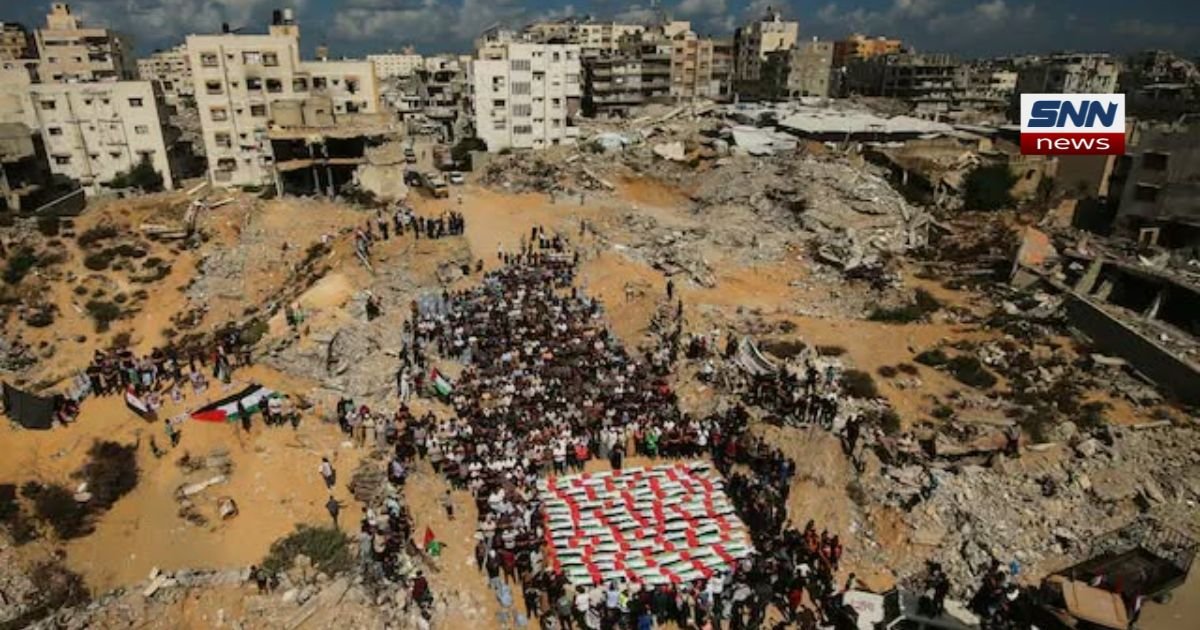
Almost a year on from the ceasefire, SNN News reports that life in Gaza Civilians remains perilous for civilians. Fresh Israeli strikes have reportedly left Palestinians dead and wounded, many thousands are still without homes, and hospitals and clinics are straining to cover basic needs.
Gaza’s Health Ministry says more than 74,000 Palestinians have died since October 2023. That figure comes from the ministry and has not been independently verified for this report. The United Nations has also warned about inadequate aid, damaged infrastructure and serious health risks.
What the Report Says About Gaza Civilians Today
According to the report, peace is still a long way off despite the truce. A ceasefire halts the shooting, but it does not on its own bring back essential services or repair damaged housing.
Recent strikes are said to have caused further deaths and injuries. The report does not give dates, locations or casualty counts for those strikes, and it does not say who was targeted.
With those specifics missing, it is hard for readers to assess what took place in any single attack.
Thousands of people remain displaced, meaning they have been forced to leave their homes. The report does not give a precise number.
Health System Under Strain
According to the report, Gaza’s healthcare system is struggling to meet basic needs. It does not name specific hospitals or shortages.
The UN has warned that aid remains inadequate and that damaged infrastructure adds to serious health risks. Damaged water, sanitation and power systems can make disease outbreaks more likely. The report does not say which UN agency issued the warning, and no direct quote was available.
Israel’s Position and the Disputed Figures
No Israeli statement on the recent strikes was included in the material available. Israel has previously said its operations in Gaza target militants and that it takes steps to limit harm to civilians. It has also questioned the reliability of casualty figures from the Hamas-run Gaza Health Ministry.
Many UN bodies and aid agencies have treated the ministry’s figures as broadly credible, while Israel disputes them. These competing views have not been resolved, and a full account of the recent strikes would need comment from the Israeli military.
What Remains Unclear
Several questions are still open. It is not clear how many people were hurt in the latest strikes, whether the ceasefire terms are still being followed, or what aid is currently entering Gaza.
Readers should watch for statements from the UN, the Israeli military and Gaza health officials. This is a developing story and will be updated when verified details become available.
Key Facts
- Nearly a year after the ceasefire, recent Israeli strikes have reportedly killed and injured Palestinians
- Gaza’s Health Ministry reports more than 74,000 deaths since October 2023; the figure is unverified
- Many thousands are still displaced, and medical services are under heavy pressure.
- The UN has warned of inadequate aid and damaged infrastructure
- No Israeli comment on the recent strikes was available
- Gaza Civilians
FAQs:
What does the report say about Gaza now?
That peace is still distant, as strikes go on, people remain displaced and the health system is under strain.
Where does the 74,000 figure come from?
From Gaza’s Health Ministry, and it has not been independently verified for this report.
What has the UN warned about?
Inadequate aid, damaged infrastructure and serious health risks.
What is Israel’s position?
No statement was available on the recent strikes. Israel has previously said it targets militants and has questioned the ministry’s figures.
Why does the report call for investigations?
The writer’s view is that violations of international law should be investigated regardless of who commits them.
Viewpoint
The following is the writer’s opinion and not a verified fact. The report’s author argues that the key question is not only how many people have died, but why civilian suffering has not led to stronger international action.
In this view, civilian lives must matter equally, and violations of international law should be investigated and addressed regardless of who commits them.
Read more about the ongoing humanitarian crisis in Gaza civilians and the risks facing civilians amid continued insecurity and limited access to essential services.
About The Author