

By Riffat Kausar
SNN News Finland
PARIS — France has reported the world’s first documented human infection with the Shamonda virus, a pathogen previously known to affect only animals, after a patient who contracted it died. French health authorities say they have identified no risk to the general public.
First human case confirmed in France
Officials said the infection was detected in a patient who was severely immunocompromised and who died in early October. The case was reported publicly on 22 October.
Authorities stated that neurological complications seen before the patient’s death were very probably associated with the infection, although they said the virus’s contribution to the fatal outcome has not been conclusively established.
France has notified international health bodies, including the World Health Organization and the European Centre for Disease Prevention and Control.
How the infection is thought to have happened
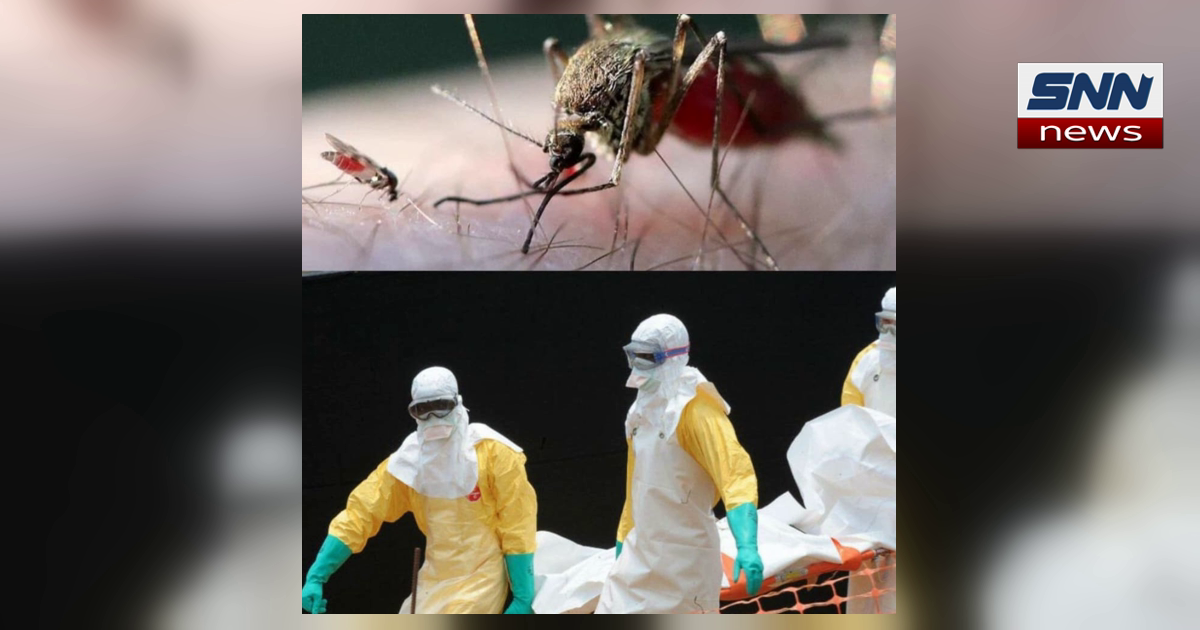
According to the French agriculture ministry, the leading hypothesis is that the case resulted from vector-borne transmission through the bite of a Culicoides midge in eastern France — a region where the virus was reported to be circulating among animals during spring and summer 2026.
The individual exposure event has not been identified. Investigators have not pinpointed a particular insect bite, farm or location, and no cluster of human cases has been reported.
What is the Shamonda virus?
Shamonda is an orthobunyavirus that is transmitted to animals by biting midges. It was first detected in Nigeria in the mid-1960s and has since been reported sporadically in cattle in West, East and Southern Africa, as well as in Japan.
It was identified for the first time in Europe this summer, on cattle farms — a development that put animal-health authorities on alert before the human case emerged. Until now, the virus had been considered non-transferable to people, which makes this patient the first documented human case on record.
The pathway described by officials follows a familiar pattern for midge-borne livestock viruses: circulation in animals raises the chance of a rare spillover into a person, particularly someone whose immune system is already weakened.
No general public risk identified
French authorities said there is no evidence of widespread human transmission and no identified risk to the general public. They have framed the case as exceedingly rare and tied to the patient’s immune status.
The episode nevertheless underlines how animal diseases can cross into humans, and why livestock surveillance matters for public health. SNN News Finland has reported on other outbreak responses, including hospitals quarantined in Siberia over a plague scare, and on wider public-health pressures such as the smog crackdown in Punjab. The French case also follows other disruption in the country this month, including looting during nationwide unrest.
Key facts
- What: the first documented human infection with Shamonda virus, confirmed in France.
- Outcome: the patient, who was severely immunocompromised, died in early October.
- How: the leading hypothesis is a bite from an infected Culicoides midge in eastern France.
- The virus: an orthobunyavirus spread to animals by biting midges; first detected in Nigeria in the mid-1960s, and first found in Europe this summer on cattle farms.
- Official position: no evidence of widespread human transmission and no identified risk to the general public; WHO and the ECDC have been notified.
Frequently asked questions
Is this the first human case?
Yes. Until now the Shamonda virus was considered to affect only animals, making this the first documented human infection.
How does the virus spread?
It is transmitted by biting midges. The leading hypothesis in this case is a midge bite in eastern France, where the virus was circulating among animals.
Should the public be worried?
French authorities say no. They have identified no risk to the general public and no evidence of widespread human transmission.
Why did the patient die?
The patient was severely immunocompromised. Officials said neurological complications were very probably linked to the infection, though its role in the death is not conclusively established.
Where has the virus been found before?
It was first detected in Nigeria in the mid-1960s and has appeared sporadically in cattle in parts of Africa and in Japan. It was found in European livestock for the first time in 2026.
Verified by Scandinavian News Agency Finland.
About The Author