
By Shumaila Aslam
Scandinavian News Finland,
Bureau Chief Pakistan
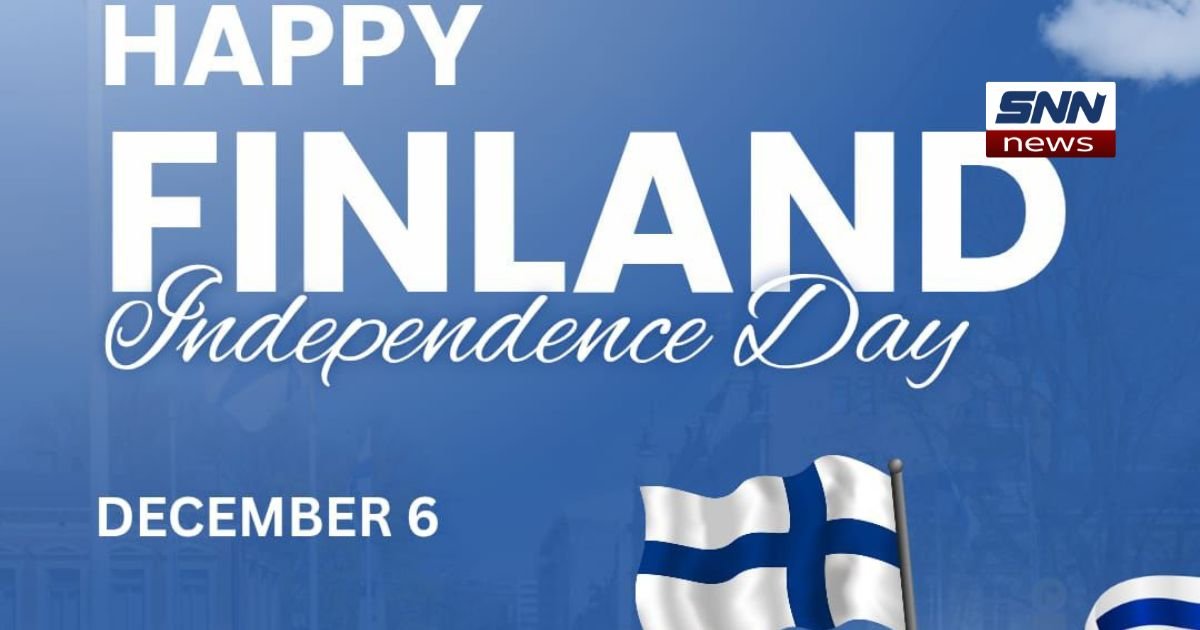
Every year on December 6th, Finland observes one of its most meaningful national days Independence Day, known locally as Itsenäisyyspäivä.
The occasion marks the moment in 1917 when the Finnish Parliament adopted the Declaration of Independence during a turbulent time in European history, shortly after the Russian Revolution.
For many nations, independence days are loud, enthusiastic, and filled with fireworks. But Finland chooses a different path. Here, the day is observed with a sense of calm, dignity, reflection, and national pride. The Finnish way of remembrance is understated yet incredibly powerful.
This article explores the history, traditions, symbolism, and cultural meaning behind Finland’s Independence Day and why this quiet celebration continues to inspire millions around the world.
The Birth of Finnish Independence
In the early 20th century, Finland was an autonomous part of the Russian Empire. When Russia fell into chaos during the 1917 revolution, Finland saw an opportunity to step forward as a sovereign nation.
On December 6, 1917, Finnish leaders made a bold and historic decision they declared Finland a free, independent state.
This moment was not only political; it was deeply emotional for the Finnish people who had long held a strong cultural identity, language, and heritage. The journey ahead was difficult, including the painful civil war that followed, but the decision laid the foundation for one of the world’s most stable and successful democracies.
Today, Independence Day serves as a reminder of Finland’s resilience, unity, and quiet determination.
A Day of Reflection, Not Festivity
Unlike many other countries, Finland does not celebrate Independence Day with noisy parades, large music festivals, or extravagant displays. Instead, the day is marked with solemn respect.
People light two blue-and-white candles in their windows — a symbolic gesture representing hope, peace, and the spirit of independence. This tradition is so important that Finnish homes, businesses, and government buildings all take part in it.
The calmness of the day reflects Finnish values:
- Simplicity
- Humility
- Respect for history
- Collective unity
It is a moment to appreciate the freedom the nation enjoys today and to honor those who fought, sacrificed, and dreamed of a better future for Finland.
Key Traditions of the Day
1. The Presidential Independence Day Reception
One of the most-watched events on Finnish television is the Linnanjuhlat, a formal reception hosted by the President of Finland at the Presidential Palace in Helsinki. Important figures from across society — veterans, diplomats, artists, athletes, and political leaders — attend this elegant evening.
Millions of Finns watch the ceremony at home, discussing the guest list, outfits, speeches, and symbolic messages shared throughout the night.
2. Candle-Lighting Tradition
Around 6 PM, Finnish families place two candles on windowsills. Historically, this simple act symbolized silent resistance and unity during difficult times, including the era of oppression under Russian rule.
Today, it continues as a peaceful expression of gratitude.
3. Church Services and Memorials
Church bells ring across the country, and religious services are held to remember fallen soldiers and honor the nation’s history. Cemeteries where war veterans are buried receive special visitors on this day.
4. Visits to Soldier Cemeteries
Presidents and top officials lay wreaths at the Hietaniemi Cemetery in Helsinki to honor those who gave their lives for Finland’s independence.
This is one of the most emotionally significant activities of the day and highlights Finland’s deep respect for its veterans.
Why Finland Celebrates Quietly
Finland’s independence did not come through massive wars of liberation or long political movements. Rather, it came during a time of global upheaval, followed by internal conflict and years of rebuilding.
This background shaped a unique national mindset:
- Freedom is precious but fragile
- Gratitude is more important than celebration
- Unity is more valuable than noise
The calmness of the day reflects Finland’s identity peaceful, resilient, disciplined, and deeply connected to its past.
Independence Day in Modern Finland
Today, Finland is consistently ranked among the world’s top nations in:
- Education
- Innovation
- Press freedom
- Happiness
- Transparency
- Quality of life
Independence Day has become more than a historical event; it is a celebration of a successful national journey.
Young people recognize the sacrifices of earlier generations, and older Finns take pride in the accomplishments of today’s society.
The day bridges different generations and strengthens national unity, reminding everyone that independence is a living value one that must be protected with respect, democracy, and social harmony.
A Message of Gratitude
When someone says “Hyvää itsenäisyyspäivää!” on December 6, it is more than a greeting.
It is a heartfelt wish for peace, freedom, and unity.
So, to everyone in Finland:
Tack så mycket and a very respectful Hyvää itsenäisyyspäivää for 2025 and every year to come.
Your quiet strength continues to inspire the world.
Conclusion
Finland’s Independence Day is more than a holiday it is a peaceful reminder of how unity, courage, and national pride helped the country gain its freedom in 1917.
Every year on December 6th, people in Finland honor their history with respect and quiet reflection, keeping their traditions alive.
This day continues to inspire the nation and reminds the world that true independence is built on sacrifice, strength, and shared values.
Read more international updates here: SNN Finland News
About The Author