
By Abida Kahlun
Bureau Chief Helsinki
Snn News Finland
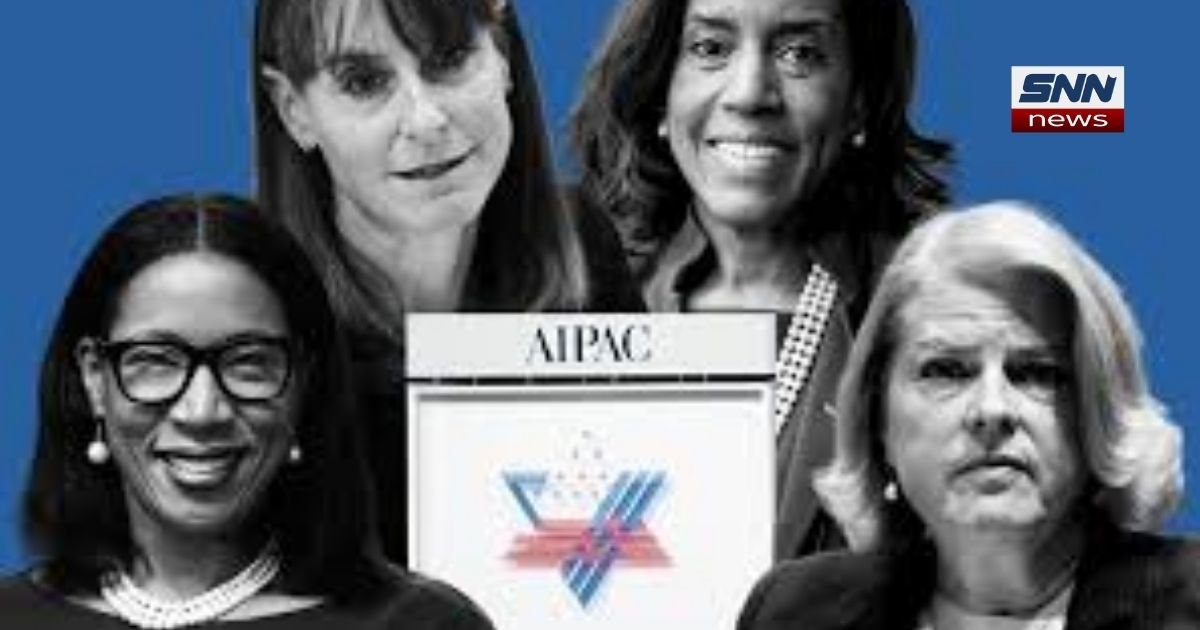
Growing Focus on Political Donations Connected to AIPAC
A growing debate over political spending in United States elections has intensified after journalists and independent media organizations increased their reporting on donations connected to the American Israel Public Affairs Committee (AIPAC).
Recent comments AIPAC from political reporters and media figures suggest that greater public attention is now being directed toward how money influences congressional primary races.
The discussion gained renewed attention after journalist David Weigel commented on social media that news outlets such as Drop Site News and The Lever have significantly changed how AIPAC-linked political contributions are viewed during election campaigns.
According to Weigel, large political donations connected to AIPAC now receive immediate media scrutiny and widespread discussion online, creating a new level of transparency around campaign financing.
The issue has become part of a broader national conversation about political influence, donor transparency, and the role of independent journalism in covering election spending.
How Media Coverage Is Changing the Conversation
For years, campaign finance has remained a major topic in American politics. Various interest groups, corporations, labor organizations, and advocacy groups contribute millions of dollars during election cycles to support candidates who align with their policy goals.
However, journalists have increasingly focused on examining where campaign funds originate and how political action committees operate.
David Weigel noted that organizations such as Drop Site and The Lever have helped reshape public understanding of AIPAC-linked spending during primary elections.
According to his assessment, significant donations are no longer simply reported in campaign finance disclosures. Instead, they are now quickly analyzed, discussed, and amplified through social media platforms and independent reporting.
This trend reflects a broader shift in political journalism, where reporters use public records, campaign finance databases, and digital tools to track the flow of election-related money more closely than in previous decades.
AIPAC Responds to Criticism
AIPAC pushed back against the growing criticism and scrutiny surrounding its political spending activities.
The organization argued that it is being unfairly targeted and subjected to a level of examination not applied to other advocacy groups involved in American politics.
AIPAC stated that critics are conducting what it described as an organized effort to single out and demonize individuals who support pro-Israel candidates and policies.
According to the organization, many citizens and donors participate in political advocacy through legal channels, and public attacks on individual contributors can discourage civic participation.
AIPAC has consistently maintained that its political activities comply with campaign finance laws and are aimed at supporting candidates who share its policy priorities regarding the United States-Israel relationship.
Ryan Grim Questions Transparency Practices
The debate intensified further when journalist Ryan Grim of Drop Site responded publicly to AIPAC’s criticism.
Grim argued that the issue is not political participation itself but rather the transparency of spending mechanisms used during election campaigns.
He suggested that voters deserve clear information about who is funding political advertisements and election-related efforts.
According to Grim, many critics are concerned about the use of entities that make it more difficult for the public to immediately identify the original source of campaign spending.
He stated that greater openness and transparency could reduce controversy and improve public trust in the political process.
The exchange between AIPAC and independent journalists highlights a larger national debate about how campaign finance information should be presented to voters and whether current disclosure practices provide enough clarity.
The Role of Political Action Committees in Elections
Political Action Committees, commonly known as AIPAC PACs, play a significant role in United States elections. These organizations raise and spend money to support or oppose political candidates.
PACs operate within rules established by federal election laws, and many groups across the political spectrum use them to influence public policy debates.
Common activities include:
- Funding political advertisements
- Supporting preferred candidates
- Conducting voter outreach campaigns
- Promoting policy issues
- Mobilizing political supporters
- AIPAC
Supporters argue that PACs help citizens organize around shared interests and participate in the democratic process. Critics, however, contend that large financial contributions can give wealthy donors and organizations disproportionate influence over elections.
Growing Demand for Campaign Finance Transparency
Transparency in political spending has become a key issue for voters, researchers, journalists, and watchdog organizations.
Advocates AIPAC for stronger disclosure requirements argue that citizens should have easy access to information about the groups and individuals financing political campaigns.
They believe transparency helps voters make informed decisions and strengthens public confidence in democratic institutions.
Several independent media organizations have expanded their reporting in this area by tracking donor networks, campaign expenditures, and political advertising spending.
This reporting has become increasingly important as election campaigns rely more heavily on digital advertising and outside spending groups.
Independent Journalism and Election Accountability
The current debate also highlights the growing influence of independent media outlets in political reporting.
Unlike traditional campaign coverage that often focuses on polling numbers and candidate speeches, many independent journalists are dedicating resources to examining financial relationships behind election campaigns.
Supporters of this approach argue that detailed reporting on political spending provides valuable public oversight.
They AIPAC believe voters benefit from understanding not only what candidates say but also who financially supports their campaigns.
Critics, however, warn that intense scrutiny of donors can sometimes create political polarization and discourage legitimate civic engagement.
As a result, discussions about transparency, accountability, and fair reporting continue to shape the national conversation.
Why the Debate Matters
The dispute between AIPAC and independent journalists reflects broader questions about democracy, political influence, and public accountability.
As election cycles become increasingly expensive and competitive, voters are paying closer attention to how money enters political campaigns.
Media organizations, advocacy groups, and political actors continue to debate where the balance should be struck between donor privacy and public transparency.
While opinions differ on the issue, one point remains clear: AIPAC campaign finance reporting is becoming a larger part of election coverage in the United States.
As journalists continue investigating political spending and organizations defend their activities, the discussion surrounding transparency and accountability is likely to remain an important issue in future elections.
/aipac-spending-scrutiny-us-primary-elections-media-coverage/
About The Author