
By Riffat Kausar
SNN News Finland
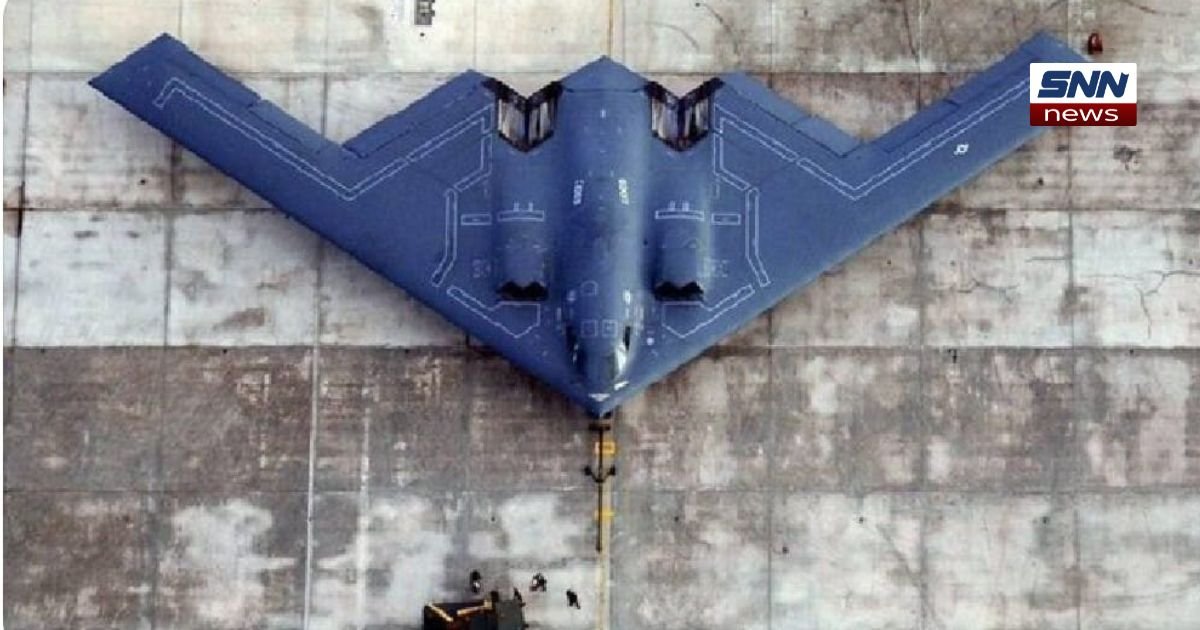
American B-2 Stealth bombers have carried out precision strikes on key military targets linked to Iran’s Islamic Revolutionary Guard Corps (IRGC), according to security and defense sources.
The reported strikes focused on command and control centers, weapons storage depots, and ballistic missile assembly facilities, marking a major development in the evolving security situation in the Middle East.
The operation highlights not only the growing tensions between Washington and Tehran but also raises broader questions about the effectiveness of advanced air defense systems used by Iran and its strategic partners, including China and Russia.
What Was Targeted and Why
The strikes reportedly targeted critical infrastructure used by the Islamic Revolutionary Guard Corps to coordinate military operations and develop missile capabilities.
These facilities are considered central to Iran’s regional military posture and deterrence strategy.
Defense analysts say the objectives of the operation were clear:
- Disrupt IRGC command and control capabilities
- Damage weapons depots used for missile storage
- Undermine ballistic missile production and assembly
- American B-2 Stealth Bombers
By focusing on these high-value targets, the United States appears to be signaling its ability to strike deep and sensitive locations without detection.
The Role of Stealth Technology
At the center of the operation is the B-2 Stealth Spirit, one of the most advanced stealth bombers in the world. Designed to evade radar and air defense systems, the aircraft can penetrate heavily defended airspace and deliver precision strikes with minimal warning.
Military experts note that the success of these strikes reinforces long-standing assessments about U.S. air superiority. The B-2 Stealth along with the F‑35 Lightning II, represents a level of stealth capability that many existing radar systems struggle to detect.
This has renewed debate within defense circles about whether modern air defense networks, including those supplied or developed by China and Russia, are capable of countering next-generation stealth aircraft.
Implications for Iran’s Defense Capabilities
Iran has invested heavily in layered air defense systems over the past decade, often with technical support or inspiration from Russian and Chinese platforms.
However, the reported inability to detect incoming stealth bombers raises serious concerns about the effectiveness of these systems.
Security analysts point out several implications:
- Iran’s early-warning and radar coverage may have critical gaps
- Command centers could remain vulnerable to future strikes
- Deterrence based on missile capability may face new challenges
- American B-2 Stealth Bombers
For Tehran, the strikes underscore the difficulty of defending against advanced stealth technology, even with modern surface-to-air missile systems in place.
Why China Is Paying Close Attention
Beyond the Middle East, the operation is being closely watched in Beijing. Defense experts argue that if Iranian, Russian, and Chinese detection systems fail to track aircraft like the B-2 Stealth and F-35, it presents a significant strategic problem for China in any future high-intensity conflict.
China has invested billions in air defense networks designed to counter U.S. air power, particularly in scenarios involving Taiwan or the South China Sea.
The reported success of American stealth aircraft against defended targets raises questions about whether those systems would perform as intended under real combat conditions.
A senior defense analyst noted that stealth penetration is not just a regional issue but a global one, affecting military planning far beyond Iran.
Russia’s Position and Global Defense Balance
Russia, which supplies and develops many advanced air defense systems used worldwide, also faces scrutiny following these reports.
Moscow has long promoted its radar and missile platforms as capable of detecting B-2 Stealth aircraft, but real-world operations continue to challenge those claims.
For Russia, the incident adds pressure to demonstrate that its systems can adapt to evolving stealth technologies. It also influences how other countries assess the value of purchasing Russian or Chinese defense equipment.
Regional and Public Impact
While the strikes were reportedly limited to military targets, the broader impact is significant. Heightened tensions increase the risk of retaliation, regional instability, and potential disruption to global energy markets.
For the public, the operation reinforces concerns about:
- Escalation between the United States and Iran
- Increased military activity across the Middle East
- The possibility of errors escalating into a broader conflict
- American B-2 Stealth Bombers
Governments in the region are expected to raise alert levels and reassess the security of critical infrastructure.
What Comes Next
Military observers say the strikes are likely part of a broader strategy rather than an isolated event. Increased surveillance, intelligence operations, and diplomatic messaging are expected in the coming days.
Key developments to watch include:
- Iran’s official response and potential countermeasures
- Changes in U.S. military posture in the region
- Reactions from China and Russia regarding air defense capabilities
- American B-2 Stealth Bombers
As global military technology continues to evolve, the reported use of B-2 stealth bombers against IRGC targets may prove to be a defining moment in modern warfare, reshaping how nations view air superiority, deterrence, and defense preparedness.
Read more about how American military stealth technology is reshaping modern warfare and global defense strategies.
About The Author