
Lukashenko Says Belarus Does Not Want Direct Involvement in Ukraine War
Belarusian President Alexander Lukashenko has rejected claims that Belarus plans to launch an attack on Ukraine, stating that his country has no intention of becoming directly involved in the ongoing conflict unless Belarus itself comes under attack.
Speaking during recent public remarks, Lukashenko said Belarus President Alexander does not seek escalation and wants to avoid being pulled deeper into the war between Russia and Ukraine.
His comments come as regional tensions remain high across Eastern Europe and international observers continue monitoring Belarus’ military relationship with Russia.
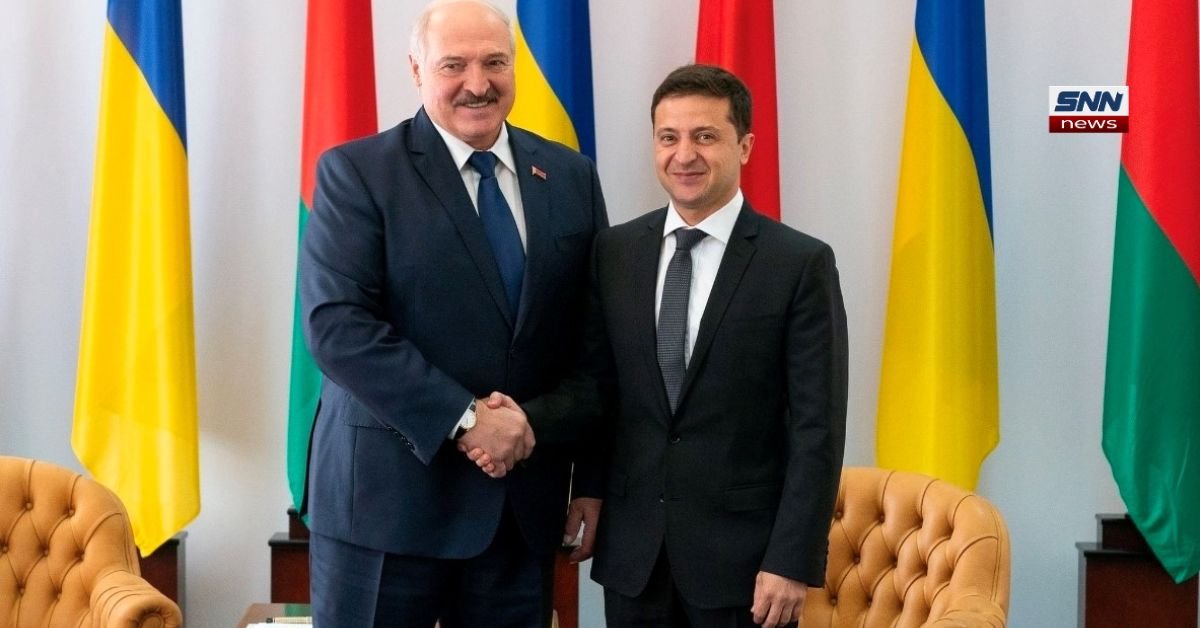
The Belarusian leader also made a notable diplomatic gesture by expressing readiness to meet Ukrainian President Volodymyr Zelenskyy.
According to Lukashenko, discussions could take place either in Belarus or directly inside Ukraine if both sides agree.
The statement has drawn attention because direct communication between the two neighboring countries has remained limited since Russia’s full-scale invasion of Ukraine in 2022.
Belarus Rejects Reports of Possible Military Action Against Ukraine
During his comments, Lukashenko firmly denied speculation that Belarusian forces were preparing for offensive military operations against Ukraine.
He stated that Belarus would only respond militarily if its own territory faced aggression or security threats.
According to the Belarusian president, Minsk is focused on protecting national stability rather than expanding the conflict.
Belarus shares borders with both Russia and Ukraine, placing the country in a sensitive geopolitical position since the beginning of the war.
Although Belarus has allowed Russia to use its territory for military operations and logistics, Belarusian troops have not officially entered combat inside Ukraine.
Security analysts have long debated whether Belarus could become more directly involved in the conflict. However, Lukashenko’s latest remarks appeared designed to ease concerns about a possible northern offensive against Ukraine.
Lukashenko Offers Possible Meeting With Zelenskyy
One of the most significant parts of Lukashenko’s statement was his public openness to meeting Ukrainian President Alexander Volodymyr Zelenskyy.
The Belarusian President Alexander leader said he would be prepared to hold talks either in Belarus or in Ukraine to discuss bilateral concerns and regional security issues.
While no official meeting has been announced, the comments were seen as a rare diplomatic opening amid continued tensions in the region.
Relations between Kyiv and Minsk have deteriorated sharply since the start of the war.
Ukrainian authorities have repeatedly criticized Belarus President Alexander for supporting Russian military operations by providing logistical access and strategic territory.
Despite this, Belarus has at times presented itself as a possible mediator or communication channel between the two sides.
Belarus’ Role in the Russia-Ukraine Conflict
Since Russia launched its invasion of Ukraine in February 2022, Belarus has remained one of Moscow’s closest allies. Russian troops used Belarusian territory during the initial stages of the invasion, particularly for operations targeting northern Ukraine and areas near Kyiv.
This cooperation increased international scrutiny of Belarus and led to sanctions from Western countries against Minsk and Belarusian officials.
However, Belarus has consistently argued that it is not an active combat participant in the war. Lukashenko has repeatedly maintained that Belarus seeks regional stability and wishes to prevent the conflict from spreading further.
Key points regarding Belarus’ position include:
- Belarus remains politically and militarily aligned with Russia
- Belarusian forces have not officially entered combat in Ukraine
- Russian military infrastructure has operated within Belarus
- Minsk says its priority is national defense and security
- Western governments continue monitoring Belarusian military activity
- President Alexander
These factors continue shaping Belarus’ complicated position in Eastern European security discussions.
Regional Tensions Continue Across Eastern Europe
Lukashenko’s comments come during a period of ongoing military activity and diplomatic uncertainty in the region.
Fighting between Russian and Ukrainian forces continues across several parts of Ukraine, while NATO countries remain focused on security developments near alliance borders.
Belarus’ geographic location makes it strategically important in regional defense calculations.
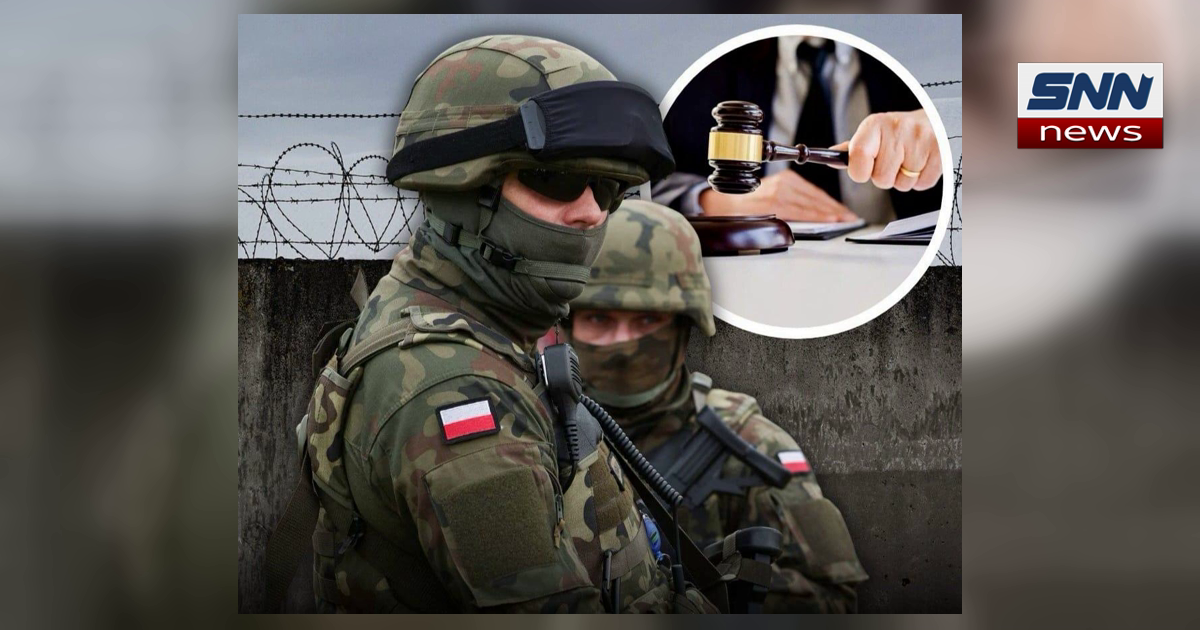
Neighboring countries such as Poland, Lithuania, and Latvia have repeatedly expressed concerns about military activity near their borders.
At the same time, Belarus has conducted joint military exercises with Russia in recent years, contributing to international concerns about possible escalation.
Political analysts say Lukashenko’s latest remarks may be intended to balance Belarus’ alliance with Moscow while reducing fears of direct Belarusian involvement in the war.
International Attention on Belarusian Diplomacy
The possibility of dialogue between Belarus and Ukraine is likely to attract international attention, even if no immediate diplomatic breakthrough occurs.
Previous attempts at negotiations connected to the Russia-Ukraine war have involved multiple countries and international organizations.
Early rounds of talks between Russian and Ukrainian representatives were held in Belarus shortly after the invasion began in 2022.
Although those negotiations did not produce a long-term settlement, Belarus has continued positioning itself as a location for potential discussions.
Diplomatic experts note that public statements about dialogue can sometimes serve broader political purposes, including reducing tensions, improving international image, or signaling openness to future negotiations.
Public Impact and Security Concerns
For people living in Eastern Europe, statements from President Alexander Belarusian leadership carry significant importance because of the country’s proximity to the conflict zone.
Any indication of expanded military involvement could affect regional security planning, border controls, and civilian concerns about stability.
As a result, President Alexander Lukashenko’s rejection of plans to attack Ukraine may be viewed as an attempt to calm speculation regarding future military developments.
At the same time, international governments and defense organizations are expected to continue closely monitoring Belarusian military movements and cooperation with Russia.
Uncertainty Remains Despite Diplomatic Signals
While President Alexander Lukashenko’s comments introduced a softer diplomatic tone, uncertainty surrounding the broader conflict remains high.
The war in Ukraine continues to shape European security policy, economic conditions, and international relations.
Belarus remains a key regional actor because of its strategic alliance with Russia and its location bordering Ukraine and NATO member states.
Whether President Alexander Lukashenko’s willingness to meet Zelenskyy leads to direct talks or remains symbolic is still unclear.
However, the remarks have added a new diplomatic dimension to ongoing discussions surrounding the future of the conflict and regional stability in Eastern Europe.
About The Author