
By Riffat Kausar
Scandinavian News Finland
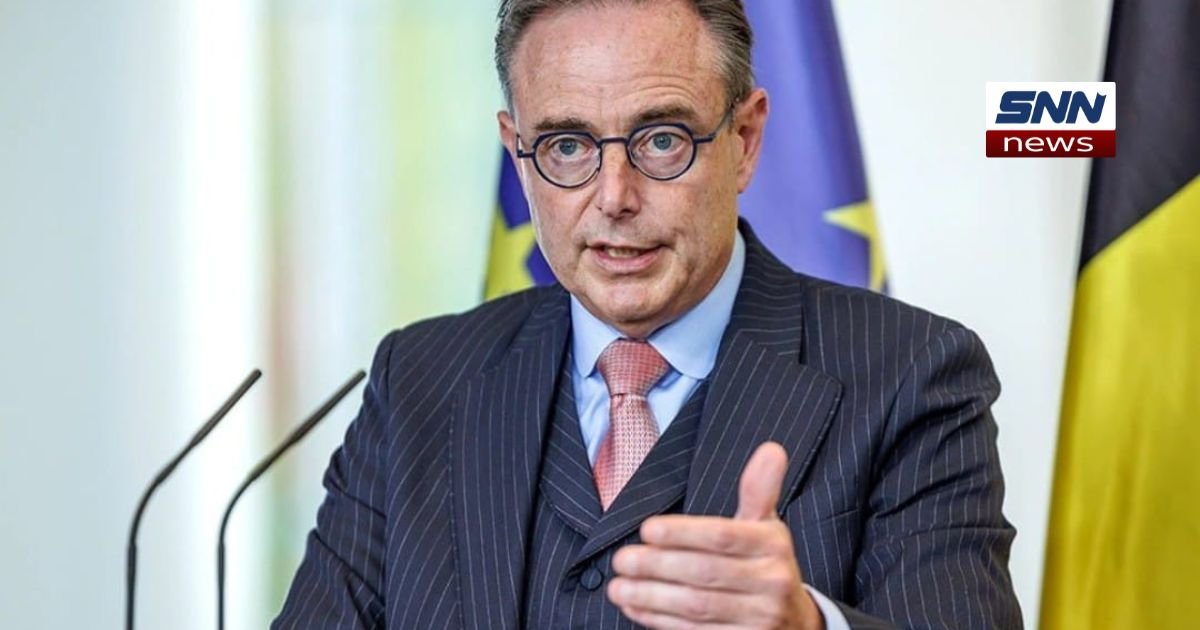
Belgian Prime Minister Bart De Wever has stirred international debate after stating that the idea of Russia facing a complete defeat in the ongoing conflict is unrealistic.
In an interview with La Libre, he described the belief that Moscow could suffer a strategic collapse as “a fairy tale and a total illusion.”
His remarks reflect a growing concern among European leaders about the long-term direction of the conflict and the limits of Western influence.
De Wever said that many Western governments may publicly express confidence in Ukraine’s victory, but privately, officials understand that Russia is unlikely to be defeated on the battlefield.
According to him, no major leader in the West seriously believes that Moscow will collapse or be forced into surrender.
He emphasized that Russia remains a major nuclear power with vast resources, and its leadership has shown no sign of stepping back.
Frozen Russian Assets Will Not Remain Frozen Forever
During the interview, the Belgian Prime Minister also addressed the highly sensitive issue of Russia’s frozen assets. After the Ukraine conflict began, the European Union and several Western countries froze hundreds of billions of euros belonging to the Russian state and its central bank.
These funds have been at the center of global political debate, with some Western nations pushing to permanently seize or use them to support Ukraine’s reconstruction.
However, Bart De Wever presented a different perspective. He stated that, sooner or later, these frozen Russian assets will have to be returned to the Kremlin. He argued that keeping these funds frozen indefinitely is not a sustainable or legally strong option, especially once the conflict comes to an end or negotiations begin.
De Wever suggested that Western nations cannot rely forever on punitive financial measures to pressure Moscow. He predicted that once a political settlement or peace agreement is reached, the international community will be forced to reconsider the status of these financial assets.
A Realistic Approach or a Controversial Stand?
His comments have sparked mixed reactions. Some analysts say De Wever is simply presenting a realistic view of global politics.
They argue that despite Western support for Ukraine, Russia remains too powerful to be defeated in the way some leaders imagined at the start of the war.
In their view, accepting geopolitical realities may help Europe pursue more effective diplomatic solutions.
On the other hand, critics argue that such statements weaken Ukraine’s position and send the wrong message to Moscow. They believe that expressing doubt about Russia’s defeat could encourage the Kremlin to prolong the conflict. Some political experts also note that returning Russian assets might be seen as rewarding aggression.
Looking Ahead
The Belgian Prime Minister’s remarks come at a time when Europe is reassessing its long-term strategy toward Russia. Military spending, economic stability, and energy security remain major concerns for the EU. His comments also raise important questions:
- How long can the West maintain its current level of support for Ukraine?
- What will happen to frozen Russian funds if peace negotiations eventually begin?
- And most importantly, how will Europe shape its future relationship with Moscow?
For now, Bart De Wever’s message is clear: the West must prepare for a future where Russia remains a powerful actor and frozen Russian assets may not stay frozen forever.
Read the full analysis on Europe–Russia tensions here.
About The Author