
BY Riffat Kausar
Snn News Finland
Denmark is holding the presidency of the Nordic Council of Ministers this year, marking an important phase in one of the world’s oldest regional political partnerships.
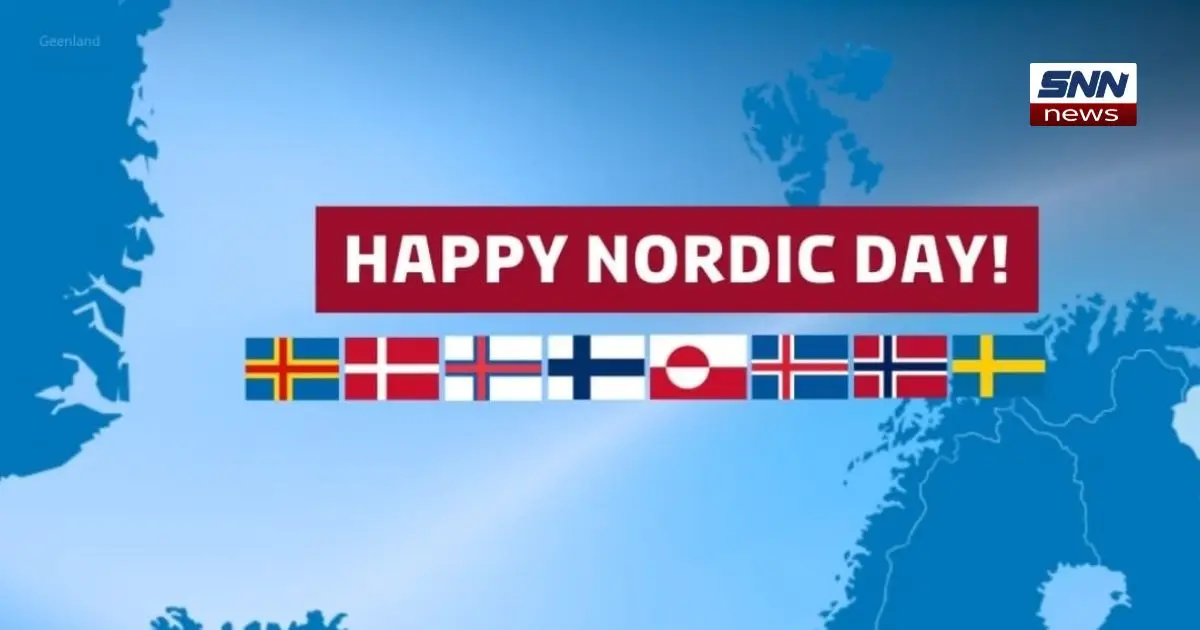
The announcement coincides with celebrations of Nordic Day, which recognizes cooperation among Nordic countries and territories, including Finland, Iceland, Norway, Sweden, the Faroe Islands, Greenland, and Åland.
The presidency gives Denmark a leading role in shaping regional policies and strengthening cooperation across political, economic, and social sectors.
What Is the Nordic Council of Ministers?
The Nordic Council of Ministers is an official body for intergovernmental cooperation among Nordic countries.
Established in 1971, it works alongside the Nordic Council, which represents parliamentary cooperation.
The organization focuses on building strong partnerships between member states and promoting shared values such as democracy, equality, sustainability, and innovation.
Its key areas of work include:
- Climate and environmental policy
- Education and research
- Economic growth and digital development
- Social welfare and health cooperation
- Nordic Council
Through joint programs and initiatives, the council aims to create practical solutions that benefit citizens across the region.
Denmark’s Role as President
As the current president, Denmark is responsible for setting priorities and guiding the agenda of the Nordic Council of Ministers. This role rotates among member countries, allowing each nation to lead and contribute to the region’s shared vision.
Denmark’s presidency is expected to focus on:
- Strengthening green transition and climate action
- Enhancing digital cooperation and innovation
- Promoting sustainable economic development
- Supporting regional security and resilience
- Nordic Council
Danish leadership is seen as an opportunity to advance cooperation at a time when global challenges require coordinated responses.
Nordic Day: Celebrating Regional Unity
Nordic Day is an annual event that celebrates the strong ties between Nordic countries and territories.
It highlights decades of collaboration that have helped shape the region into one of the most stable and prosperous in the world.
The day serves several purposes:
- Recognizing shared history and cultural connections
- Promoting awareness of regional cooperation
- Encouraging future collaboration among member states
- Nordic Council
Events, discussions, and cultural activities are often held across the Nordic region to mark the occasion.
A Long History of Cooperation
The Nordic model of cooperation is considered one of the oldest and most successful examples of regional collaboration.
Over the years, Nordic countries have worked together to address common challenges and improve living standards.
This cooperation has led to:
- Open borders and freedom of movement
- Shared labor markets
- Coordinated social welfare systems
- Joint environmental policies
- Nordic Council
The close relationship between these countries has also strengthened their global influence, allowing them to work together on international issues.
Why Nordic Cooperation Matters Today
In today’s rapidly changing world, regional partnerships are becoming more important.
Nordic cooperation helps countries respond to global challenges such as climate change, economic uncertainty, and technological transformation.
By working together, Nordic nations can:
- Share resources and expertise
- Develop innovative solutions
- Strengthen their collective voice in global forums
- Nordic Council
Denmark’s presidency comes at a time when collaboration is essential for addressing both regional and global concerns.
Public Impact Across the Nordic Region
The work of the Nordic Council of Ministers directly affects the daily lives of people in the region.
Policies and initiatives developed through cooperation help improve public services, education systems, and environmental protection.
Citizens benefit from:
- Easier travel and work opportunities across borders
- Access to shared educational programs
- Improved healthcare collaboration
- Strong environmental standards
- Nordic Council
These benefits highlight the practical value of regional cooperation beyond political discussions.
Challenges and Future Outlook
Despite its success, Nordic cooperation also faces challenges. Differences in national priorities, economic conditions, and political approaches can sometimes slow progress.
However, the strong foundation of trust and shared values continues to support long-term collaboration.
Denmark’s leadership will play a key role in addressing these challenges and maintaining momentum.
Looking ahead, the Nordic Council of Ministers is expected to focus on innovation, sustainability, and resilience, ensuring that the region remains a global example of effective cooperation.
Conclusion
Denmark’s presidency of the Nordic Council of Ministers in 2026 marks an important moment for regional collaboration.
As Nordic Day celebrates decades of partnership, the focus remains on strengthening cooperation and addressing shared challenges.
With a strong history and clear future goals, the Nordic countries and territories continue to demonstrate how regional unity can deliver real benefits for people and contribute to global progress.
Learn more about Nordic regional cooperation and Denmark’s role in the Nordic Council of Ministers.
About The Author