

By Hammad Kahlun
Scandinavian news Finland
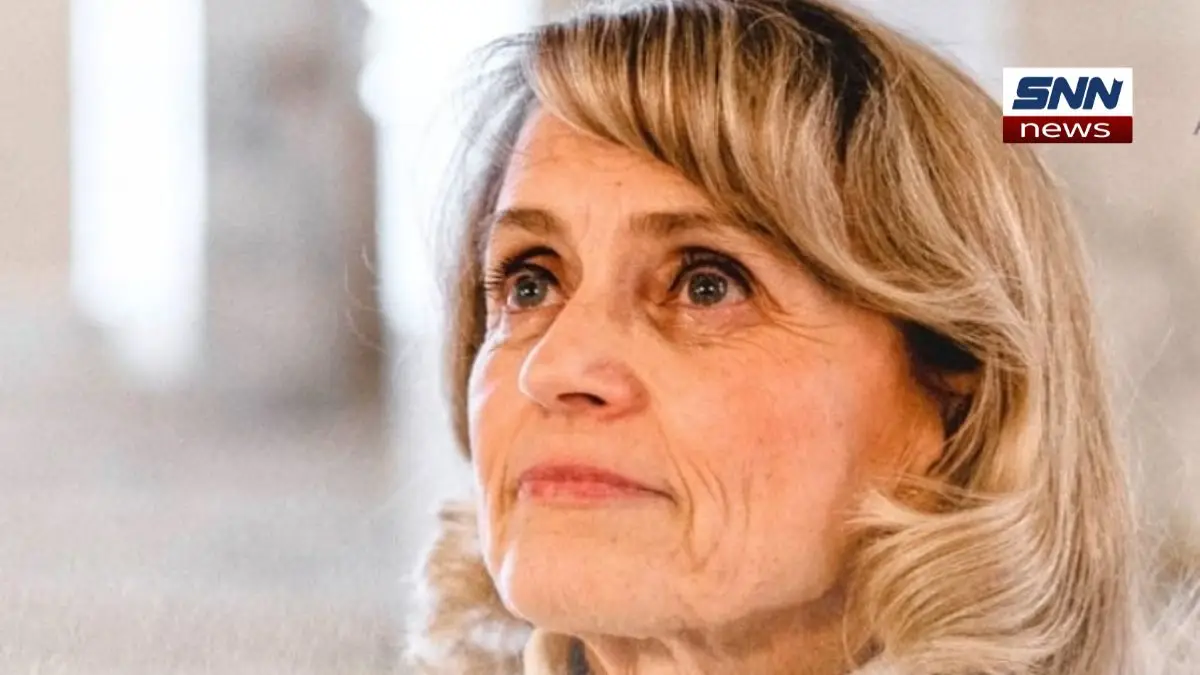
Finland’s highest judicial authority, the Supreme Court of Finland, is set to deliver a landmark ruling on the case of Päivi Räsänen, a Finnish parliamentarian who has faced more than six years of criminal proceedings.
The case centers on her decision to share a Bible verse on social media, which prosecutors argue may constitute hate speech under Finnish law Supreme Court.
The ruling, expected tomorrow, is widely seen as a defining moment for freedom of expression not only in Finland but across Europe Supreme Court.
Legal experts, human rights advocates, and policymakers are closely monitoring the outcome due to its potential to shape how speech—particularly religious expression—is interpreted within modern legal frameworks.
Background: How the Case Began
Implications of the Supreme Court Ruling
The controversy dates back to 2019 when Räsänen posted a message on the platform Twitter, questioning her church’s participation in an LGBTQ-related event.
In her post, she included a verse from the Bible that reflects traditional Christian teachings on sexuality.
Authorities later launched an investigation, arguing that the post could be interpreted as degrading or discriminatory toward a protected group.
The case eventually led to formal charges under Finland’s laws on ethnic agitation, which are designed to prevent hate speech and protect minority communities.
Räsänen has consistently denied any wrongdoing, maintaining that her comments were an expression of her religious beliefs and therefore protected under the right to freedom of speech and religion.
Legal Journey Through Finnish Courts
The case has moved through multiple stages in Finland’s judicial system. In earlier rulings, lower courts dismissed the charges, concluding that Räsänen’s statements did not meet the legal threshold for hate speech.
Judges emphasized the importance of safeguarding open debate in a democratic society, even when views expressed may be controversial or offensive to some.
However, prosecutors appealed those decisions, bringing the matter before the Supreme Court.
The upcoming ruling will be final and binding, leaving no further avenue for appeal within Finland.
This prolonged legal process has drawn criticism from some observers Supreme Court, who argue that lengthy prosecutions in such cases may themselves have a chilling effect on public discourse.
Key Legal Questions at Stake
At the heart of the case are several critical legal and ethical questions:
“How can society determine the boundary between protected speech and speech that incites hatred?”
“Is it legally safe to reference religious texts or express religious beliefs in public?”
How should courts balance the protection of minority rights with freedom of expression?
The Supreme Court’s decision is expected to clarify how these principles are applied under Finnish law and may influence similar cases in other European jurisdictions Supreme Court.
Broader Implications for Europe
Although the case is rooted in Finland’s legal system Supreme Court, its implications extend far beyond national borders.
European countries have increasingly grappled with how to regulate speech in a way that protects both individual freedoms and social harmony Supreme Court.
If the court rules against Räsänen, critics warn it could set a precedent that limits the public expression of religious or ideological views.
On the other hand, a ruling in her favor could reinforce protections for free speech but may also raise concerns about the boundaries of acceptable public discourse.
Human rights organizations have highlighted the importance of maintaining a careful balance.
Freedom of expression is a cornerstone of democratic societies, yet it must coexist with laws that protect individuals and communities from harm and discrimination Supreme Court.
Public and Political Reactions
The case has sparked significant debate both within Finland and internationally.
“Räsänen’s supporters claim that taking legal action against a lawmaker for citing scripture is an excessive use of government authority.”They contend that such actions risk undermining fundamental rights Supreme Court.
Meanwhile, others believe the case reflects a necessary effort to uphold laws designed to prevent harmful rhetoric.
They argue that public figures, in particular, have a responsibility to ensure their statements do not contribute to discrimination or marginalization.
The discussion has also highlighted the evolving challenges faced by democracies in the digital age, where social media platforms amplify the reach and impact of individual statements.
Why This Decision Matters Now
The timing of the ruling is especially significant as debates over free speech, censorship, and digital communication continue to intensify globally Supreme Court.
Governments and courts are under increasing pressure to define clear standards for acceptable expression in an era of rapid information sharing Supreme Court.
For Finland, the decision will help define the boundaries of lawful speech for years to come.
For Europe, it may serve as a reference point in ongoing discussions about rights, responsibilities, and the role of the state in regulating public discourse Supreme Court.
Conclusion
As the Supreme Court of Finland prepares to announce its verdict, the case of Päivi Räsänen stands as a pivotal moment in the ongoing debate over freedom of expression.
The ruling will not only determine the outcome for one politician but could also shape the legal and cultural landscape of free speech across Europe Supreme Court.
Observers now await the decision, recognizing that its impact may resonate far beyond the courtroom.
“Read more on freedom of speech cases in Europe on our website.”
About The Author