
By Riffat Kausar,
Scandinavian News Finland
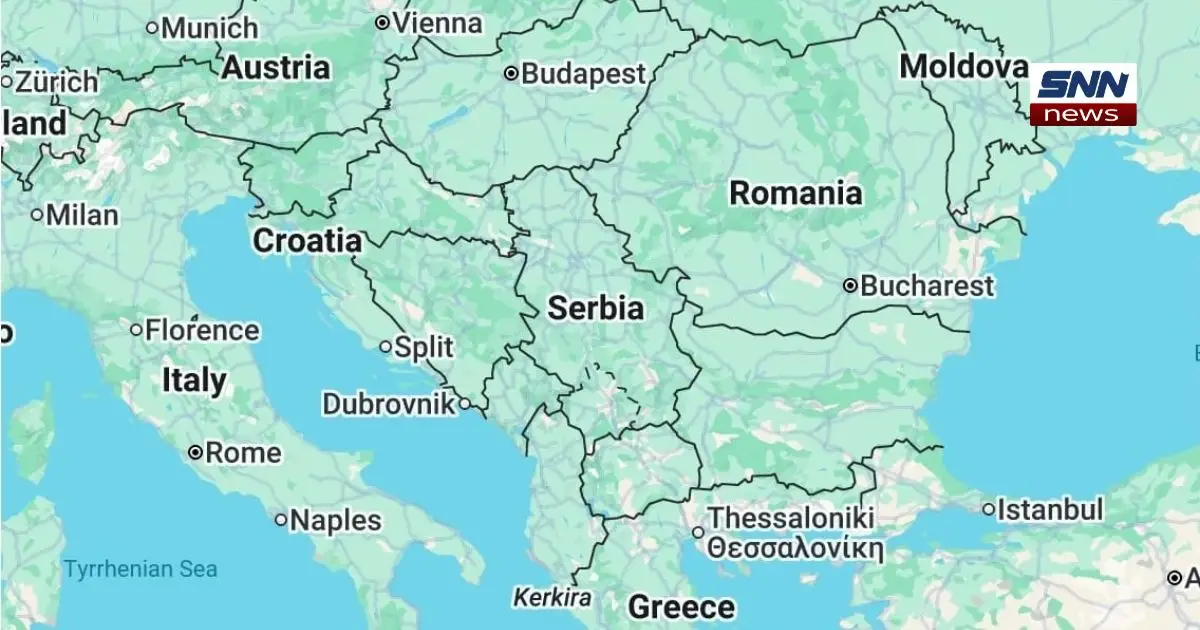
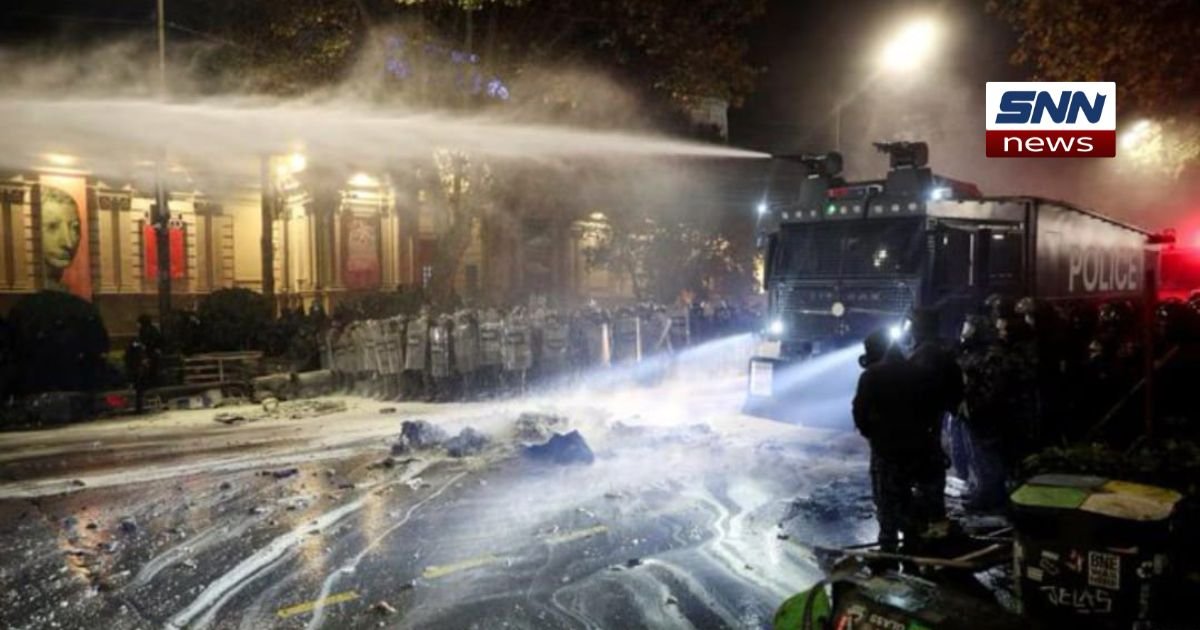
Tbilisi, Georgia Georgian security forces are under scrutiny for allegedly using a World War I–era chemical substance, known as “camite,” on protesters, according to a BBC investigation.
The chemical, a toxic powder, causes severe skin burning, coughing, respiratory issues, and can remain on surfaces for days. Experts classify it as a chemical weapon.
Protesters reported water-cannon streams causing intense burning, while symptoms such as vomiting, coughing, and shortness of breath lasted for weeks.
Interviews with chemists, doctors, and former special-forces officers revealed that some protesters later developed heart complications and long-term health effects.
A former special-forces commander acknowledged that camite is far stronger than standard tear gas.
The BBC also obtained a list of chemicals from a special-forces warehouse, including UN3439, which matches the historical code for camite.
Georgian authorities have denied the allegations, calling the investigation “absurd,” and claim that dispersing the protesters was lawful. The ruling Georgian Dream party announced plans to sue the BBC in an international court.
Human-rights organizations are calling for an immediate and transparent investigation into the possible use of chemical weapons against civilians, raising concerns over violations of international law.
This incident has sparked global attention, highlighting both the dangers of chemical agents in crowd control and the urgent need for accountability in law enforcement practices.
About The Author