
By Hammad Kahlun
Scandinavian news Finland
Dhaka Bangladesh witnessed one of its most significant political upheavals in 2024, when nationwide Student Protests-led culminated in the resignation of Prime Minister Sheikh Hasina, ending her 15-year rule.
What Sparked the Protests
The unrest began over a controversial civil service job quota system, which reserved a significant share of government jobs for descendants of freedom fighters from Bangladesh’s 1971 Liberation War.
Student Protests and job-seekers, facing high unemployment, viewed the quota as discriminatory and demanded reform, arguing it favored political loyalty over merit.
Government Response and Escalation
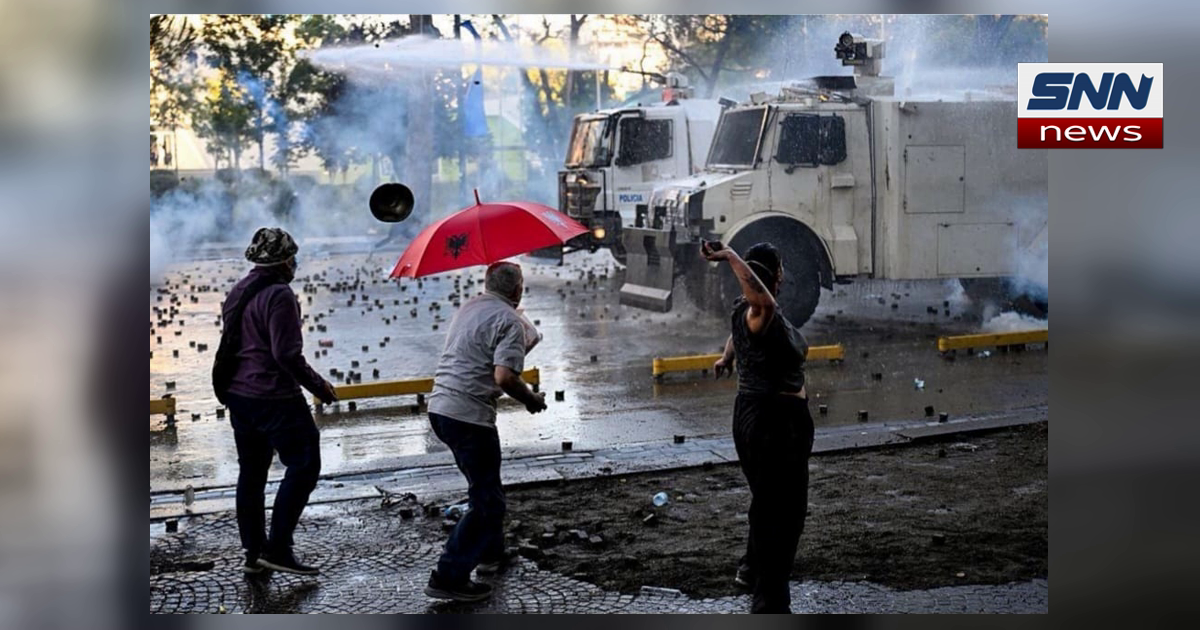
As Student Protests spread across Dhaka and other cities, the Hasina government deployed police and, later, the military to control demonstrations.
Reports of violent crackdowns emerged, with human rights groups estimating hundreds of deaths during the unrest.
Curfews were imposed, internet access was restricted in parts of the country, and universities were shut down as the situation intensified through July 2024.
Sheikh Hasina’s Resignation
Amid mounting pressure and continued mass mobilization, Sheikh Hasina resigned as Prime Minister on August 5, 2024, and left Bangladesh, reportedly departing for India.
Her resignation ended the rule of the Awami League, the party she led, which had governed Bangladesh continuously since 2009.
Formation of Interim Government
Following Hasina’s departure, an interim government was formed in Bangladesh, headed by Nobel laureate Muhammad Yunus, tasked with overseeing the transition and preparing for future elections.
Current Status
Since the transition, Bangladesh has been navigating a period of political reorganization, with discussions ongoing about electoral reforms and the country’s path forward under the interim administration.
Dhaka, Bangladesh site of 2024 protests that ended Sheikh Hasina’s rule
About The Author