
By Shumaila Aslam
Scandinavian News Finland
Bureau Chief, Pakistan
India Detains Three Sanctioned Oil Tankers Linked to Shadow Fleet Smuggling Network
Coast Guard Action Highlights India’s Role in Enforcing Global Oil Sanctions
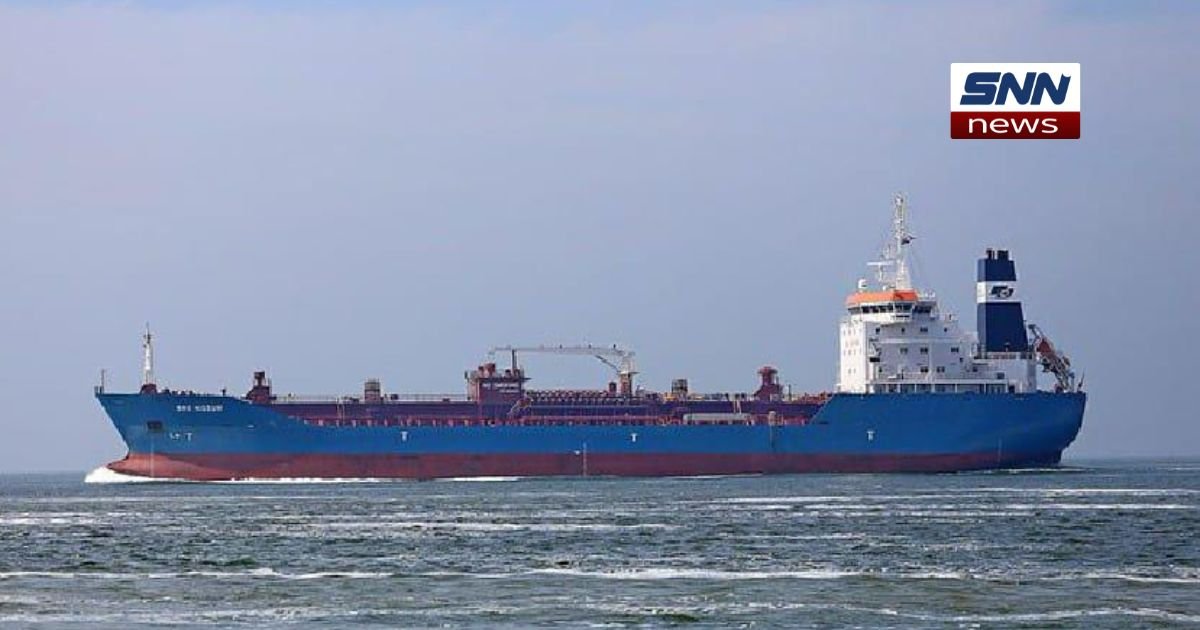
India has detained three foreign oil tankers suspected of violating international sanctions, marking a significant move against the so-called “shadow fleet” used to transport sanctioned crude Oil Tankers.
Indian authorities confirmed that the vessels were held by the Indian Coast Guard on Saturday as part of an operation targeting illegal oil transportation activities in regional waters.
The detained ships All Jafzia (flagged to Nicaragua), Asphalt Star (flagged to Mali), and Stellar Ruby (linked to Iran) are all listed under United States sanctions for their alleged involvement in illicit oil trade.
Officials say the vessels were operating as part of a wider international smuggling network designed to bypass restrictions on sanctioned crude.
What Triggered the Detentions
According to Indian maritime authorities, intelligence inputs pointed to suspicious vessel movements and ship-to-ship oil transfers in open waters, a tactic commonly used to disguise the origin of oil cargo.
Such transfers often take place outside port limits, allowing operators to alter documentation and obscure supply chains.
The Indian Coast Guard intercepted the tankers during routine maritime surveillance and subsequently detained them for further investigation.
Officials stressed that the operation was carried out in accordance with international maritime law and India’s obligations to combat illegal trade.
Understanding the ‘Shadow Fleet’
The term shadow fleet refers to a network of aging oil tankers operating outside standard regulatory frameworks. These vessels are often characterized by:
- Frequent changes in ownership and flags
- Use of flags of convenience
- Disabled or manipulated tracking systems
- Ship-to-ship transfers in international waters
Such fleets have grown in prominence following tighter sanctions on countries like Iran, where crude Oil Tankers exports are restricted due to geopolitical and nuclear-related concerns.
The U.S. Treasury has repeatedly warned that shadow fleets pose risks not only to sanctions enforcement but also to maritime safety and environmental protection.
Sanctions and International Context
All three detained vessels are subject to U.S. sanctions for allegedly transporting oil in violation of international restrictions. Under these measures, entities involved in handling or facilitating sanctioned Oil Tankers shipments can face financial penalties, asset freezes, and operational bans.
While India is not a direct enforcer of U.S. sanctions, it has increasingly cooperated with global efforts to curb illicit maritime trade, especially where such activities intersect with safety, transparency, and regional stability.
Experts note that India’s action reflects growing international scrutiny of shadow fleet operations, particularly in strategic shipping routes across the Indian Ocean.
Investigation into Smuggling Network
Indian authorities say preliminary findings suggest the three tankers were part of a coordinated smuggling operation involving multiple jurisdictions. Investigators are examining:
- Cargo documentation and ownership records
- Voyage histories and tracking data
- Evidence of ship-to-ship transfers
- Financial and logistical links between operators
Officials added that cooperation with international partners may follow if the investigation uncovers broader violations involving foreign companies or intermediaries.
Why This Matters for Global Trade
Illegal oil transportation undermines international sanctions regimes and distorts global energy markets. Analysts say shadow fleet operations allow sanctioned crude to enter supply chains at discounted rates, creating unfair competition and complicating enforcement efforts.
From a safety perspective, many shadow fleet vessels are older and poorly insured, raising the risk of accidents and oil spills. Maritime experts warn that increased enforcement is essential to prevent environmental damage in busy sea lanes.
India’s Maritime Security Role
India has steadily expanded its maritime surveillance and enforcement capabilities in recent years. The detention of the three tankers signals a stronger stance against unlawful shipping practices and reinforces India’s image as a responsible regional maritime actor.
Security analysts say such actions also send a message to operators that Indian waters will not be used as transit routes for sanctions-evasion activities.
What Happens Next
The detained vessels are expected to remain under custody while investigations continue. Legal proceedings will determine whether penalties, seizures, or further actions are warranted under Indian law and applicable international regulations.
Authorities have emphasized that due process will be followed and that findings will be shared with relevant international bodies where required.
India’s detention of sanctioned oil tankers highlights a broader crackdown on illegal maritime oil smuggling networks operating across international waters.
About The Author