
By Shumaila Aslam
Scandinavian News Finland
Bureau Chief, Pakistan
Questions Grow Over India’s Russia Oil Imports Amid Claims of External Pressure
Conflicting Statements From Indian Officials Fuel Uncertainty Over Energy Policy
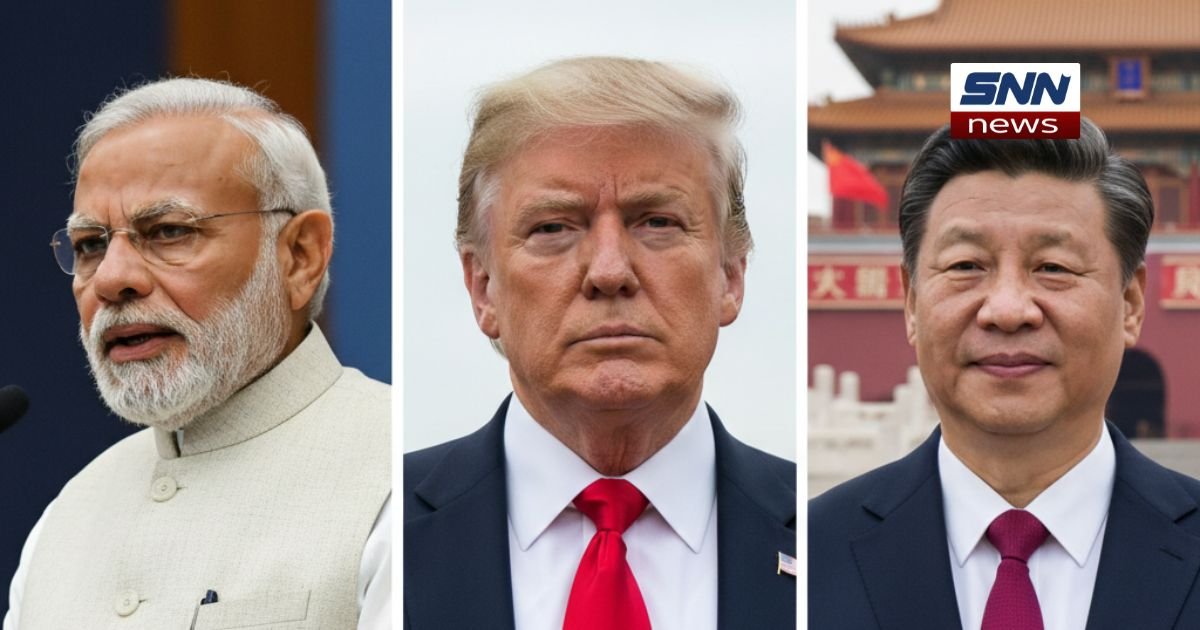
Uncertainty has emerged over India’s oil trade with Russia following unverified claims that New Delhi may have adjusted its energy purchases in response to external pressure linked to former U.S. President Donald Trump.
The situation has drawn attention after contradictory remarks by senior Indian officials and renewed political debate at home, raising questions about India’s foreign policy decision-making and transparency.
At present, no official confirmation has been issued by the Government of India indicating that the country has halted or reduced Russian Oil Trade due to any directive from Washington or any other external actor.
However, the issue has gained traction following public exchanges involving India’s foreign and trade ministries.
Conflicting Responses From Government Ministries
When questioned by journalists about reports suggesting a change in India’s stance on Russian Oil Trade, India’s External Affairs Minister reportedly redirected inquiries to the Ministry of Commerce and Industry, stating that trade-related matters fall under its jurisdiction.
In turn, the Trade Minister declined to provide a direct response, indicating that foreign policy and geopolitical considerations are handled by the Ministry of External Affairs.
The back-and-forth has left observers without clear guidance on whether any policy shift has taken place.
Political analysts say such institutional deflection can create confusion during sensitive international developments, particularly when energy security and global diplomacy intersect.
India’s Energy Ties With Russia: Background
Since the start of the Russia-Ukraine conflict, India has significantly increased its purchases of discounted Russian crude oil, citing national interest, price stability, and energy security.
Russia has become one of India’s top Oil Trade helping New Delhi manage domestic fuel costs amid global market volatility.
Indian officials have consistently defended the policy, arguing that:
- Energy purchases are based on market conditions, not political alignment
- India prioritizes affordable energy for its population
- Oil Trade do not imply endorsement of any country’s actions
These positions have been reiterated at international forums, including meetings of the G20, BRICS, and bilateral discussions with Western partners.
Claims of External Pressure and Political Debate
Recent claims circulating in political and media circles suggest that India may be facing renewed pressure from the United States to limit economic engagement with Russia, particularly if Donald Trump returns to a more active role in U.S. politics.
However, no official statement from Washington has confirmed the issuance of any such order or demand. Experts note that trade and energy decisions typically involve long-term contracts and logistical planning, making sudden shifts unlikely without public acknowledgment.
Opposition figures in India have seized on the lack of clarity, accusing the government of avoiding parliamentary scrutiny on key foreign policy matters. Some critics argue that Parliament has not been adequately briefed on whether discussions with international partners have affected India’s energy strategy.
Prime Minister Modi’s Travel and Political Reactions
Adding to the political controversy, claims have circulated suggesting that Prime Minister Narendra Modi avoided parliamentary engagement by traveling abroad, including a reported visit to Malaysia.
Government sources, however, describe such trips as pre-scheduled diplomatic engagements, rejecting assertions that security or political concerns influenced the prime minister’s movements.
Officials have emphasized that parliamentary proceedings continue as scheduled and that foreign travel by the prime minister does not signal avoidance of domestic accountability.
Public Impact and Strategic Implications
India’s Oil Trade policy has direct consequences for:
- Fuel prices affecting millions of consumers
- Inflation and economic stability
- India’s diplomatic balance between Western partners and strategic allies
Energy economists caution that speculation without verified information can unsettle markets and undermine investor confidence. They stress the importance of transparent communication from authorities, especially when global energy supply chains remain fragile.
Expert Views on India’s Likely Position
Foreign policy experts largely agree that India is unlikely to make abrupt changes to its Russia Oil Trade without a clear economic or strategic incentive.
They point out that India has historically pursued a multi-aligned foreign policy, maintaining relationships with competing global powers while safeguarding national interests.
Analysts also note that any formal change in trade policy would typically be accompanied by:
- Cabinet-level decisions
- Public notifications
- Statements to Parliament
- Oil Trade
None of these steps have been observed so far.
Conclusion: Questions Remain, Clarity Awaited
As of now, claims that India has accepted any external directive to stop buying oil from Russia remain unsubstantiated.
The lack of a unified response from government ministries has fueled political debate, but official data and policy announcements continue to show no confirmed shift in India’s energy strategy.
Observers say clearer communication from New Delhi would help dispel speculation and reinforce confidence in India’s foreign and economic policy decisions as global attention remains focused on energy security and geopolitical alignment.
India’s mixed signals on Russian oil trade reflect growing pressure on New Delhi to balance strategic autonomy with global diplomatic expectations.
About The Author