
As the dust settles on the latest Iran-US diplomatic agreement, analysts and regional observers are raising pointed questions: Did Washington secure its core objectives or did Tehran walk away with the upper hand?
Writing for SNN News Finland, senior commentator Riffat Kausar argues that the outcome favours Iran across nearly every major strategic dimension.
Iran-US Core Programs Remain Intact
According to Kausar’s analysis, Iran made no significant concessions on its most critical assets.
Tehran’s ballistic missile program remains fully operational. Its nuclear program continues under terms critics say fall short of full dismantlement. And Iran’s strategic grip over the Strait of Hormuz through which roughly 20% of the world’s oil supply passes has not been loosened.
These were widely cited as red lines by US negotiators heading into talks.
Proxy Networks Untouched
Iran’s regional influence network also emerged from negotiations without meaningful rollback.
Support for Hezbollah in Lebanon and the Houthi movement in Yemen both designated as terrorist organisations by the United States continues, according to the analysis. Neither group was addressed in final terms in any binding or enforceable way.
This, Kausar argues, represents a significant strategic victory for Tehran and a setback for Washington’s regional containment policy.
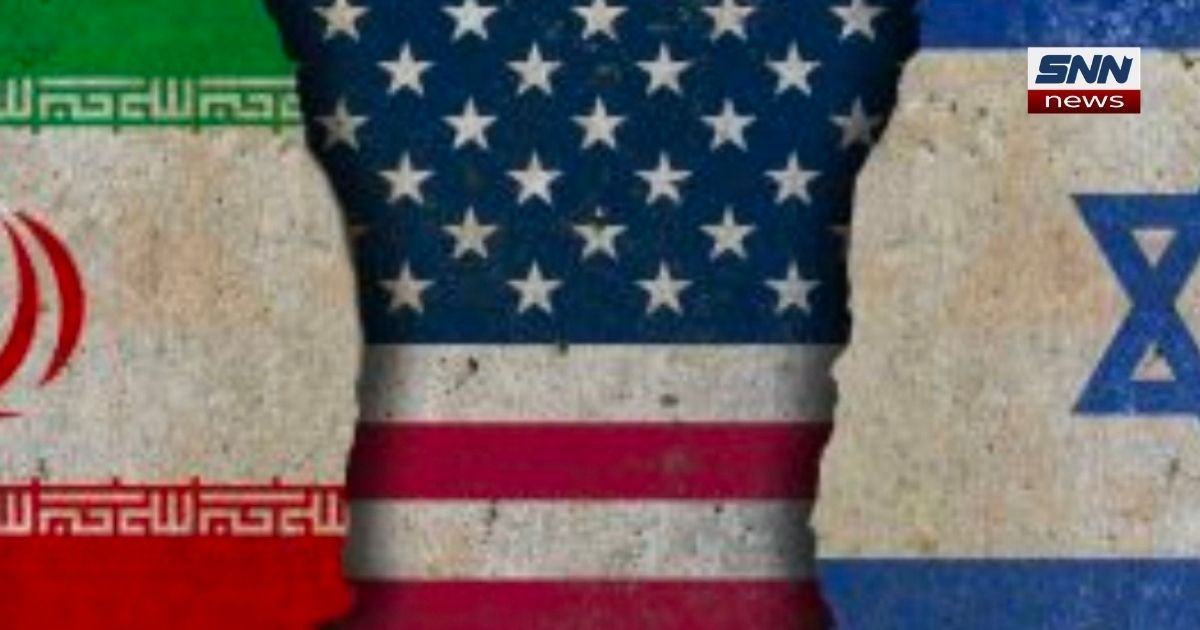
Cracks in the US-Israel Alliance
Perhaps the most consequential fallout, according to the analysis, is the visible strain emerging in US-Israel relations.
Israel, which has consistently opposed any agreement that does not fully dismantle Iran’s nuclear infrastructure, finds itself increasingly isolated following the deal. Israeli officials have publicly expressed frustration with Washington’s approach, signalling one of the deepest public rifts between the two allies in recent memory.
Arab States Recalibrating Toward Iran
The agreement appears to be accelerating a broader geopolitical realignment across the Middle East.
Several Arab states that had drifted toward the Abraham Accords framework are now recalibrating their positions. Kausar notes that Gulf Arab allies are increasingly looking toward Iran rather than maintaining their previous alignment with Israel a shift with potentially far-reaching consequences for US influence in the region.
Domestic Control in Iran Remains Absolute
On the domestic front, the analysis concludes that Iran’s clerical leadership the mullah-led government under Supreme Leader Ali Khamene has emerged politically strengthened.
Any prospect of internal regime change or popular uprising that outside powers may have anticipated has, in Kausar’s assessment, receded significantly. The deal, she argues, has handed the Islamic Republic a domestic legitimacy boost rather than weakening it.
By Riffat Kausar | SNN News Finland
About The Author