
By Hammad Kahlun
Scandinavian news Finland
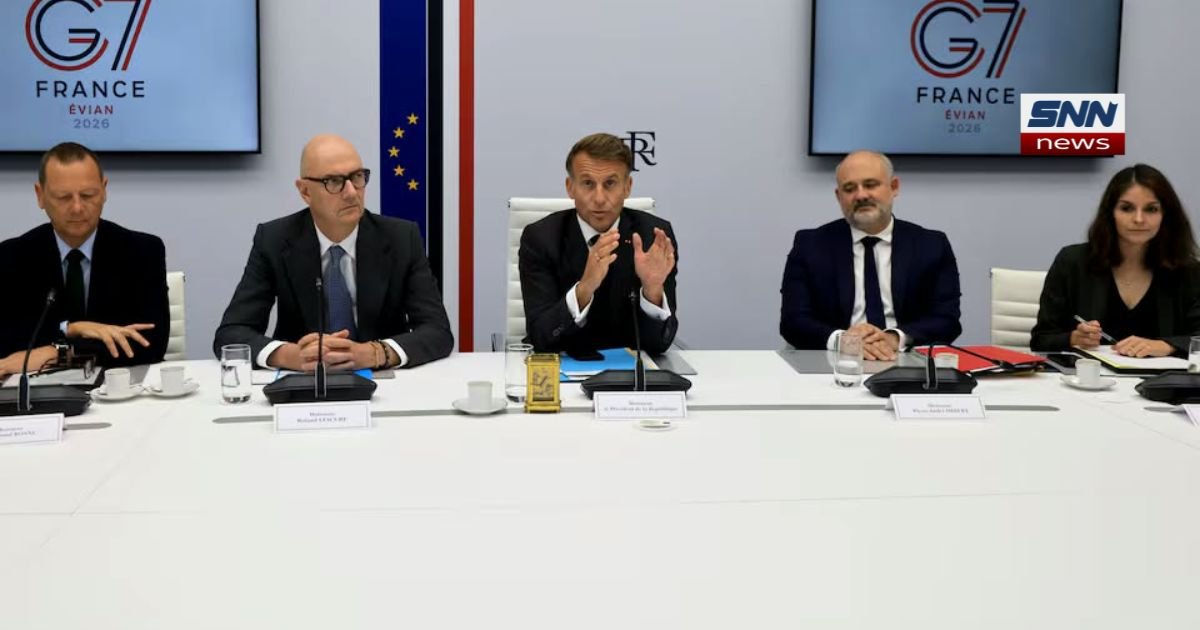
DOHA, QATAR Iran warns Gulf states that they risk being drawn deeper into its ongoing war with the United States and Israel, as Tehran pushes regional governments to rein in Washington and a senior Iranian military adviser signals the country is prepared to fight for the long haul.
What Iran Told Gulf Governments
According to Reuters, citing two senior Iranian officials, two Gulf sources and a senior regional diplomat, Iran has told Gulf Arab states it will strike their oil, power and water infrastructure if they do not persuade U.S. President Donald Trump to halt strikes on Iran and return to negotiations.
The warning reportedly covered energy facilities, refineries, electricity grids, water systems and transport networks belonging to Washington’s closest Arab allies.
Iranian Foreign Minister Abbas Araghchi delivered the message through high-level contacts with Saudi Arabia, Qatar and Turkey, the sources said, after Trump threatened on July 28 to strike Iran’s own energy network.
Saudi Crown Prince Mohammed bin Salman subsequently spoke with Trump, urging him to delay military action and pursue a negotiated settlement, according to the same reporting.
A Prolonged Conflict, Not a Swift Resolution
The warning to Gulf states comes as Iran signals it is settling in for a prolonged conflict rather than a swift resolution.
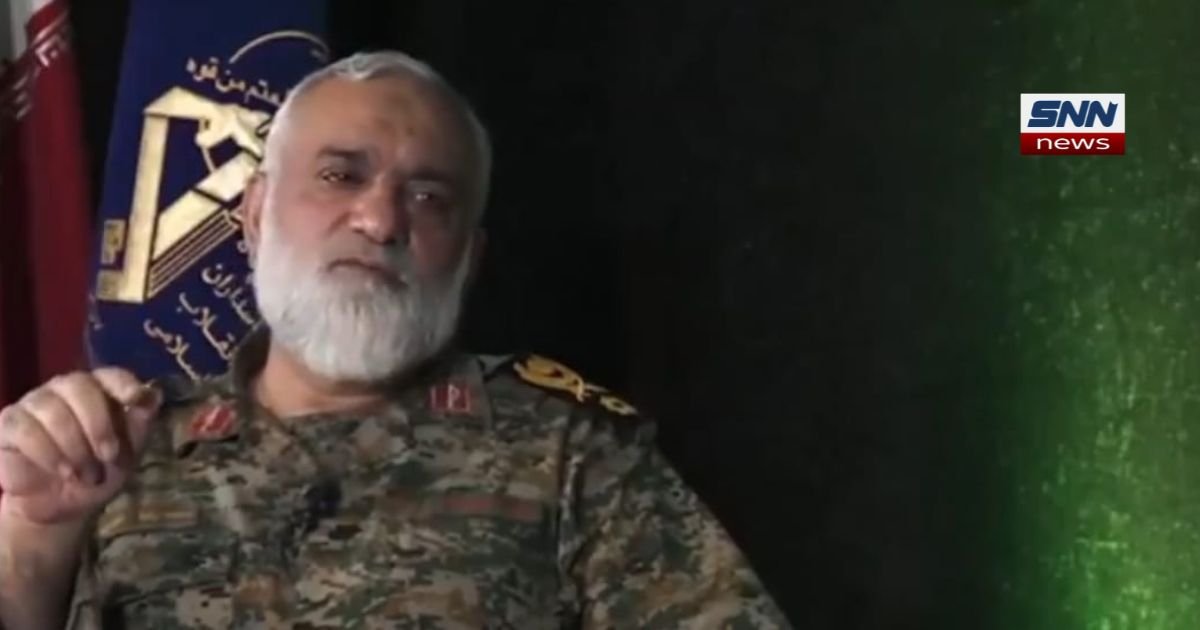
Mohammad Reza Naqdi, a senior adviser to the commander of Iran’s Revolutionary Guard Corps, told PBS this week that Tehran’s strategy is built around deterrence over time.
“We have to attain deterrence so that the enemy never dares to attack us, so we can live with security,” Naqdi said, adding that Iran was prepared to “prolong this war” to raise the long-term cost of any future attack.
Naqdi previously served as the IRGC’s coordinating deputy from 2019 to 2025 and, while his current role carries less command authority, he is understood to retain access to the organization’s senior leadership.
Key Facts
- Iran has warned Gulf states it will target their energy and water infrastructure if they don’t help stop U.S. strikes, per Reuters.
- The warning followed Trump’s July 28 threat to strike Iran’s energy network.
- Senior IRGC adviser Mohammad Reza Naqdi says Iran is prepared to prolong the war to build deterrence.
- The UAE, Qatar, Bahrain and Saudi Arabia have all faced Iranian strikes during the 2026 war.
- A temporary ceasefire announced by Trump is being reviewed by Gulf governments.
- Gulf States
FAQ
What did Iran actually threaten?
According to Iranian and Gulf sources cited by Reuters, Iran said it could strike Gulf states’ oil, power and water infrastructure unless they push the U.S. to stop military action against Iran.
Who is Mohammad Reza Naqdi?
He is a senior adviser to the commander of Iran’s Revolutionary Guard Corps and formerly served as the IRGC’s coordinating deputy from 2019 to 2025.
Which countries have been hit by Iranian strikes in 2026?
The UAE, Qatar, Bahrain and Saudi Arabia have all reported Iranian missile, drone or maritime attacks during the ongoing war.
Is there a ceasefire in place?
Trump announced a temporary ceasefire, which the UAE said it was reviewing for full implementation, including reopening the Strait of Hormuz.
Are reports of a planned nuclear strike on Iran confirmed?
No. That claim is not verified by any named source in current reporting and is not treated as fact here.
Gulf States Caught in the Middle
Gulf States Arab governments, several of which host U.S. military bases, have already experienced direct fallout from the war.
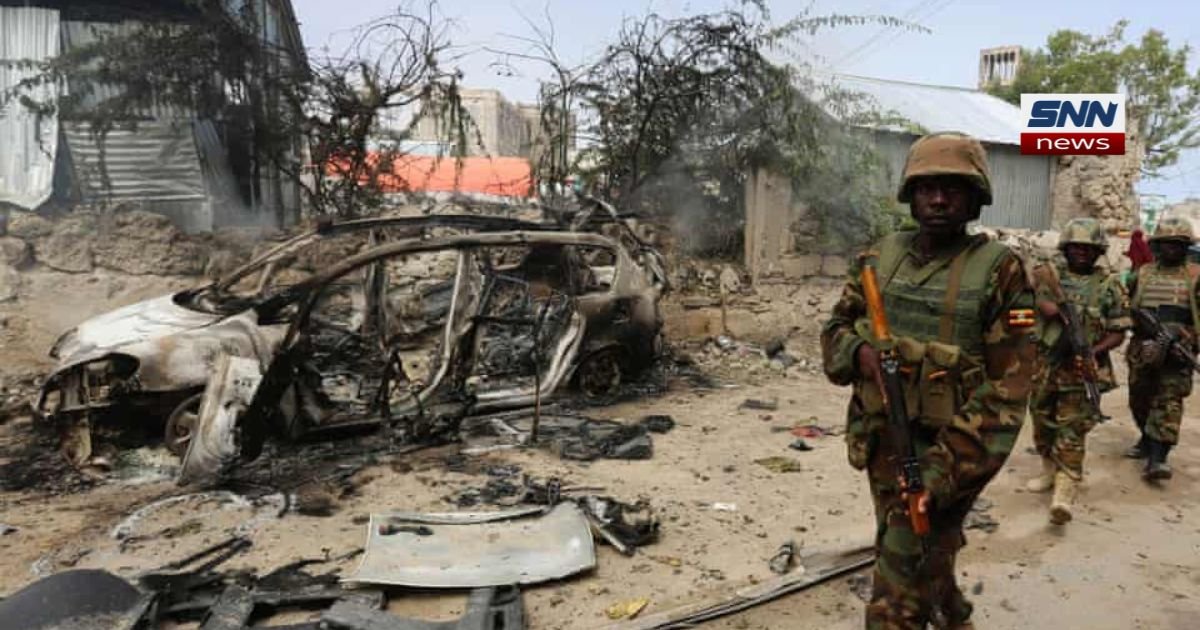
Iran has launched missile and drone strikes on the United Arab Emirates, Qatar, Bahrain and Saudi Arabia over the course of 2026, according to Wikipedia’s running tallies of the conflict, which cite government and defense statements.
The UAE has said Iranian attacks on infrastructure and civilian sites over recent weeks require a “firm position,” while also welcoming a temporary ceasefire announced by Trump.
Separately, the UAE’s Foreign Ministry this week accused Iran’s Revolutionary Guard of “piracy” after two tankers linked to state oil firm ADNOC were targeted in the Strait of Hormuz.
Some analysts and regional commentators argue Gulf states have leverage of their own: the UAE, unlike some neighbors, has pursued direct diplomatic engagement with Tehran in recent years, a approach some point to as a model for de-escalation.
Others in the region and in Washington counter that closer alignment with the U.S. remains the more reliable security guarantee, given Iran’s continued missile and drone campaign against Gulf targets.
Claims circulating about the specific tactics either side may use next including speculation about the scale of any future U.S. action remain unconfirmed and are not verified in on-the-record reporting.
Reuters Iran warns Gulf states
About The Author