

By Abida Kahlun
SNN News Finland
Iran Warns US has issued a stark warning to the United States, declaring that the era of “proportional responses” is over.
Parliament Speaker Mohammad Ghalibaf made the statement on Saturday, saying recent strikes on what he called aggressor bases were only a preview of what is to come.
Ghalibaf emphasized that Iran’s rules of engagement have fundamentally changed. He warned that any future aggression against Iran’s interests would be met with swifter, harsher, and more painful retaliation. His remarks signal a significant hardening of Iran Warns US posture as tensions persist across the Middle East.
The declaration follows a broader pattern of escalating rhetoric from Tehran in recent months. Iran has increasingly relied on missile strikes, naval pressure, and support for proxy forces to shape its regional influence. Ghalibaf’s statement represents a clear attempt to communicate that this strategy will intensify rather than moderate in the period ahead.
Strategic Shift in Tehran
The statement from Tehran comes at a time of heightened international scrutiny. Analysts say the language represents one of the most explicit escalations in tone from the Iranian Parliament in recent months.
By framing past strikes as a demonstration rather than a deterrent, Ghalibaf appears to be signaling that future Iranian responses will be both faster and more severe.
Iran Warns US messaging reflects a long-standing strategic calculation. Tehran has consistently relied on asymmetric military options and rapid retaliation to offset the United States’ conventional military superiority.
Ghalibaf’s comments suggest that Iran believes those signals have not been understood clearly enough by Washington, and that a new, more aggressive posture is needed.
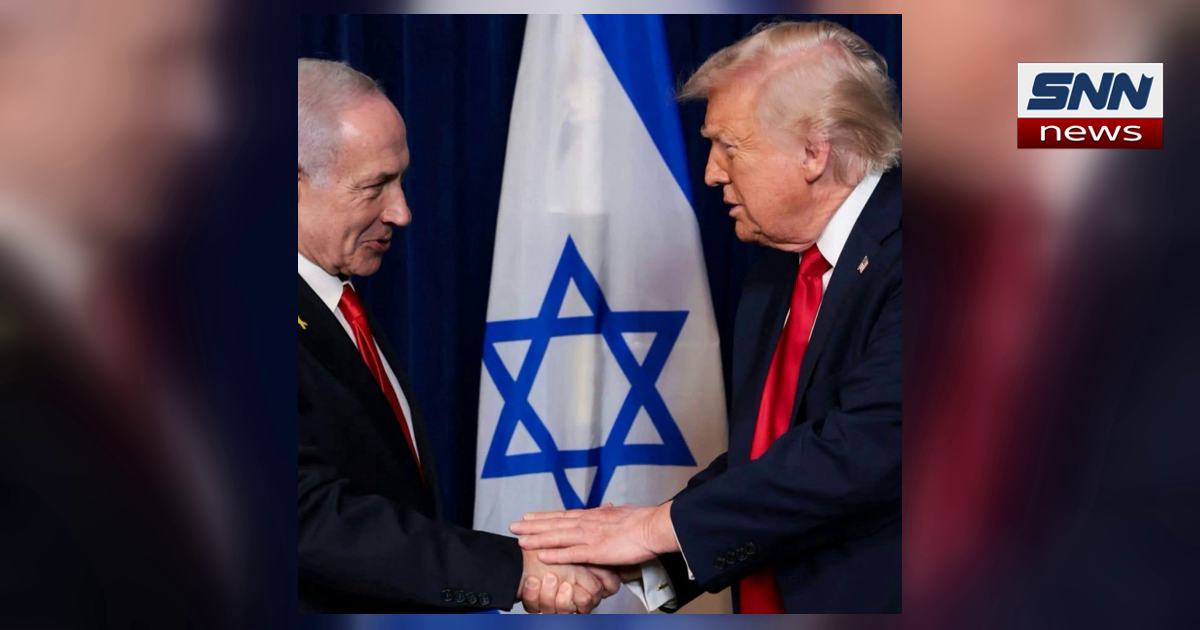
The warning is also notable for its timing. President Trump’s approval ratings have hit record lows at home, leaving the White House under domestic political pressure.
A foreign policy confrontation with Iran could offer a distraction, but it also carries significant risks for a presidency already on the defensive.
Broader Regional Consequences
Any escalation between Iran Warns US and the United States would carry global consequences, including potential effects on energy markets, regional allies, and European security calculations.
The Strait of Hormuz remains a critical chokepoint for global oil supplies, and military tensions in the Gulf regularly push energy prices higher across European markets.
From Helsinki, SNN News Finland tracks how Middle East volatility reaches Nordic energy and security policy.
Norway Seizes Russian Research Vessel shows how Arctic enforcement actions have become part of broader European security concerns.
At the same time, the expansion of military drone capabilities across multiple theaters is changing how states project power and respond to threats, as detailed in Germany Serial Production 5000 Long Range Drones Ukraine.
These developments illustrate a global security environment in which multiple flashpoints can interact. Iran Warns US threat against US interests adds yet another source of volatility that European governments must factor into their defense and energy planning.
FAQs:
What does Ghalibaf mean by “era of proportional responses” is over?
He is signaling that Iran will no longer limit its retaliation to equal scale. Future responses will be faster and more severe than the original attack that prompted them.
Why does this warning come now?
The timing coincides with President Trump’s record-low approval ratings and ongoing regional tensions. Iran may see an opportunity to reshape deterrence calculations while Washington is domestically distracted.
What could this mean for global energy markets?
Oil prices are highly sensitive to Middle East tensions. Any military escalation involving Iran could disrupt supply routes and trigger sharp price movements worldwide.
A Narrowing Margin for Miscalculation
The statement reinforces a worrying pattern in which both sides interpret restraint as weakness. As Iran Warns US drops the language of proportionality, the margin for miscalculation narrows further.
Observers will now watch for any concrete shift in Iran Warns US military deployments or operational tempo to match the new rhetoric.
In this tense moment, diplomacy remains the only sustainable path forward. The challenge for all parties will be to avoid actions that make that path impossible to return to.
The international community continues to call for restraint and renewed dialogue to prevent further deterioration in an already fragile region.
Verified by Scandinavian News Agency Finland.
About The Author