
By Shumaila Aslam
Scandinavian News Finland
Bureau Chief Pakistan
Diplomacy resumes as Oman hosts sensitive Iran–US discussions
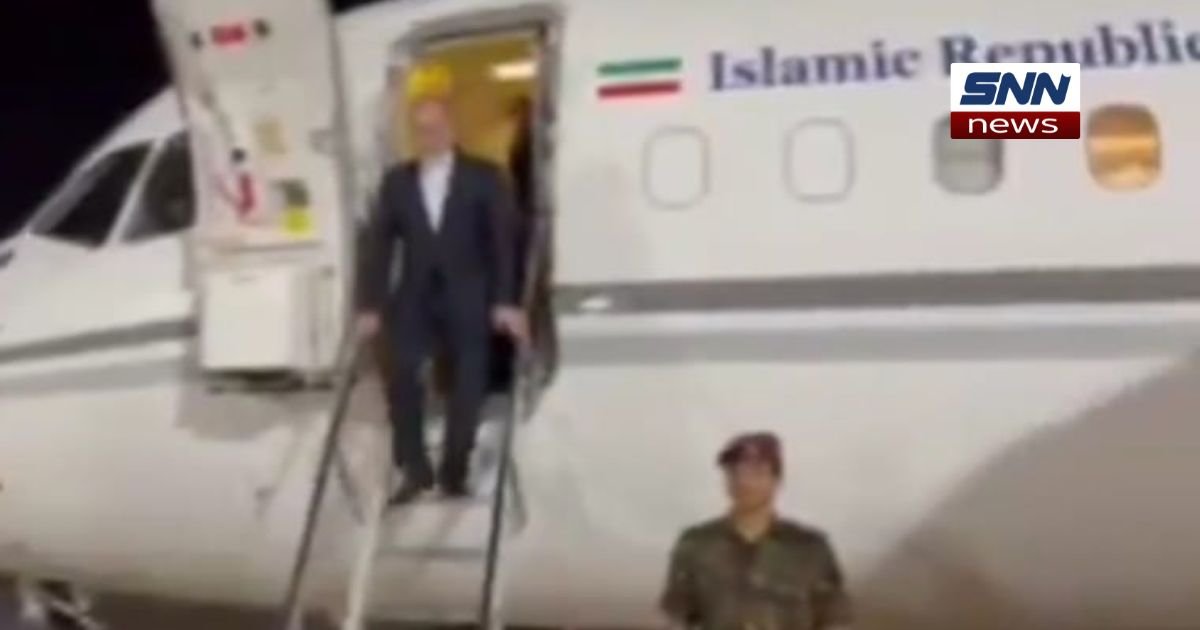
Muscat, Oman: Iranian Foreign Minister Abbas Araghchi arrived in the Omani capital Muscat on Tuesday, a day ahead of scheduled talks between Iran and the United States, marking a renewed diplomatic effort to address long-standing tensions between the two countries. The meetings are set to take place on February 5, with Oman once again playing its traditional role as a neutral mediator.
According to regional diplomatic sources, the talks are expected to focus on key issues including Iran’s nuclear program, regional security, sanctions relief, and confidence-building measures. While no direct public engagement between Iranian and US officials has been officially confirmed, indirect discussions facilitated by Omani officials are anticipated.
Oman’s role as a trusted mediator
Oman has a long history of acting as a quiet diplomatic bridge between Tehran and Washington, particularly during periods of heightened tensions. The Gulf state previously hosted back-channel negotiations that eventually led to the 2015 Joint Comprehensive Plan of Action (JCPOA), commonly known as the Iran nuclear deal.
Officials in Muscat have not released detailed information about the agenda, but diplomatic observers say Oman’s involvement signals a serious attempt to reduce friction and explore practical steps toward de-escalation.
Who is Abbas Araghchi?
Abbas Araghchi is one of Iran’s most experienced diplomats and a central figure in previous nuclear negotiations with Western powers. He served as a senior negotiator during the JCPOA talks and is considered a key architect of Iran’s diplomatic strategy.
His arrival in Muscat ahead of the discussions indicates Tehran’s intention to approach the talks with a structured and experienced negotiating team, especially at a time when regional and international pressures on Iran remain high.
Background: Iran–US relations remain strained
Relations between Iran and the United States have been tense for decades, shaped by disputes over:
- Iran’s nuclear activities
- US economic sanctions
- Regional conflicts in the Middle East
- Maritime security in the Gulf
- Human rights concerns
The situation worsened after the United States withdrew from the JCPOA in 2018 and reimposed strict sanctions on Iran. Since then, efforts to revive the agreement have faced repeated setbacks, despite intermittent diplomatic engagements.
Why these talks matter now
The Muscat discussions come at a critical moment for both sides. Iran continues to face economic pressure from sanctions, while the United States is seeking ways to limit nuclear escalation and stabilize the region amid multiple global crises.
Analysts say the talks may explore limited agreements or interim understandings rather than a full revival of the nuclear deal. These could include:
- Restrictions on certain nuclear activities
- Humanitarian or financial relief measures
- Mechanisms to prevent further military escalation
Even modest progress could help lower tensions and reopen diplomatic channels that have largely remained frozen.
Regional and international attention
The talks have drawn close attention from regional powers, European governments, and international organizations, all of whom have a stake in preventing further instability in the Middle East.
Countries in the Gulf are particularly concerned about the risk of escalation, while European states continue to advocate for diplomatic solutions to preserve nuclear non-proliferation frameworks.
International observers note that Oman’s involvement increases the credibility of the process, as Muscat maintains working relations with both Tehran and Washington without taking sides.
What to expect from the Muscat talks
Officials have kept expectations measured, emphasizing that the discussions are exploratory rather than decisive. No major announcements are expected immediately after the meetings.
Diplomatic sources suggest the talks may focus on:
- Setting ground rules for future engagement
- Clarifying red lines and priorities
- Reducing misunderstandings through indirect dialogue
Any progress, even symbolic, could pave the way for broader negotiations later in the year.
Public and strategic impact
For Iran, successful diplomacy could ease economic pressure and reduce international isolation. For the United States, dialogue offers a path to managing nuclear risks without military confrontation.
Experts say sustained engagement, even through intermediaries, is preferable to prolonged silence, which increases the risk of miscalculation.
Looking ahead
As Abbas Araghchi prepares for the discussions in Muscat, the outcome remains uncertain. However, the decision by both sides to engage—however cautiously—signals recognition that diplomacy remains necessary despite deep mistrust.
Whether the Muscat talks lead to tangible results or simply reopen lines of communication, they represent an important moment in ongoing efforts to manage one of the world’s most complex diplomatic relationships.
Read more on Iran–US diplomatic talks and Middle East diplomacy
About The Author