

By Hammad Kahlun
Scandinavian news Finland
Growing Political Pressure Raises Questions About Israel’s Next Prime Minister
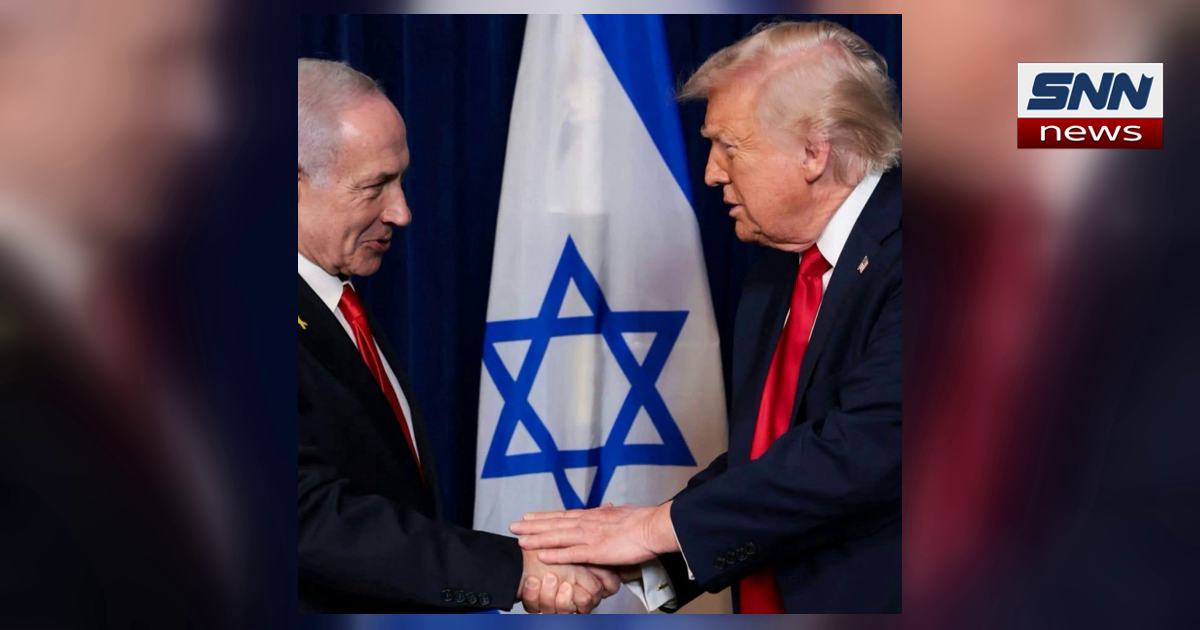
Israel’s political Election landscape is entering another period of uncertainty as speculation grows over whether Prime Minister Benjamin Netanyahu can remain in power through the next general election.
With the official vote scheduled for October 27, 2026, political analysts, polling agencies, and prediction markets are increasingly focusing on former Prime Minister Naftali Bennett as a serious challenger.
Recent polling data suggests that Netanyahu and Bennett are running nearly neck and neck in public support, signaling a potentially historic shift in Israeli politics after years of Netanyahu’s dominance.
The debate over Israel’s next prime minister comes amid ongoing regional tensions, domestic political divisions, security concerns, and growing public discussion about the country’s future direction.
Naftali Bennett Emerging as Main Alternative to Netanyahu
Former Prime Minister Naftali Bennett has increasingly positioned himself as one of the strongest alternatives to Netanyahu’s leadership.
Bennett, who previously served as Israel’s prime minister from 2021 to 2022, has remained active in political discussions despite stepping away from frontline politics after the collapse of the previous coalition government.
Recent election surveys for the 2026 cycle indicate that Bennett’s support has strengthened among centrist and right-leaning voters who are looking for an alternative leadership figure without fully moving away from conservative policies.
Political observers note that Bennett’s appeal comes from several factors:
- His previous experience as prime minister
- His background in security and technology sectors
- Support among moderate right-wing voters
- Public frustration with repeated political instability
- Concerns over Netanyahu’s long-term leadership
The possibility of Bennett returning to power is now being discussed more seriously both inside Israel and internationally.
Polling Shows Tight Competition Between Netanyahu and Bennett
Opinion polling ahead of the 2026 Israeli election suggests that the race could become one of the country’s closest political contests in years.
Several recent political surveys have shown Netanyahu and Bennett separated by only small margins, reflecting a divided electorate.
Analysts say voter opinion may continue shifting depending on developments related to the economy, national security, judicial reforms, and regional conflicts.
Prediction platforms are also reflecting the growing uncertainty.
On Polymarket, an online prediction market where users place real-money bets on political outcomes, Bennett recently gained a slight edge over Netanyahu:
Latest Prediction Market Estimates
- Naftali Bennett — 40%
- Benjamin Netanyahu — 39%
Although prediction markets are not official polling tools, they are often closely watched because they combine public expectations, political analysis, and financial risk-taking.
The narrow difference highlights how competitive the political environment has become.
Israel’s General Election Officially Scheduled for October 2026
Israel’s next parliamentary election is officially scheduled for October 27, 2026. However, the country’s political system has a long history of early elections caused by coalition collapses and parliamentary disputes.
Under Israeli law, if the Knesset is dissolved before the scheduled election date, the country could head to the polls earlier than expected. Some analysts believe that possibility cannot be ruled out, especially if political tensions within the governing coalition increase.
There is growing speculation that Israelis could potentially vote as early as late summer or early autumn if the current government loses parliamentary stability.
Israel has experienced multiple elections within short periods over the past decade, reflecting deep political fragmentation and coalition challenges.
Benjamin Netanyahu continues to hold a strong and influential position in Israeli politics after years of national leadership.
Despite mounting competition, Benjamin Netanyahu remains one of the most influential and experienced political leaders in Israeli history.
Netanyahu has served multiple terms as prime minister and continues to maintain strong support among sections of the Israeli public, particularly among conservative, nationalist, and security-focused voters.
Supporters credit him for:
Key Areas Often Linked to Netanyahu’s Leadership
- Strong diplomatic relationships
- Security-focused governance
- Economic development policies
- Expansion of regional normalization agreements
- Long political experience during crises
However, critics argue that political polarization, corruption allegations, and ongoing internal divisions have weakened public trust in his leadership over time.
The next election could therefore become a referendum on whether Israeli voters want continuity or political change.
Why the 2026 Israel Election Matters Internationally
The outcome of Israel’s next election is likely to attract major international attention because of the country’s central role in Middle Eastern politics, regional security, and global diplomacy.
Israel’s leadership affects several major issues, including:
- Relations with the United States
- Regional tensions in the Middle East
- Gaza and West Bank policies
- Security coordination with neighboring countries
- Diplomatic normalization agreements
- Economic and technology partnerships
A leadership transition from Netanyahu to Bennett could influence both domestic priorities and foreign policy strategies.
International governments, investors, and political observers are therefore closely monitoring developments leading into the election cycle.
Public Debate Intensifies Over Israel’s Political Future
Inside Israel, political debate has intensified as voters discuss economic pressures, judicial reforms, military policies, and the future direction of the country’s democracy.
Confidence in Israel’s political system has weakened over time due to ongoing coalition disputes and frequent national elections.
Many voters are increasingly focused on leadership effectiveness, national unity, and long-term stability.
At the same time, younger voters and centrist groups are becoming more influential in shaping political narratives ahead of the 2026 race.
Analysts say campaign momentum could shift rapidly depending on future events, coalition negotiations, or regional developments.
Could Israel See a Leadership Change in 2026?
While the official election remains months away, current polling and political trends suggest that Israel could face one of its most competitive elections in recent history.
Naftali Bennett’s growing popularity has turned him into a major political figure once again, while Netanyahu continues to defend his position as Israel’s dominant political leader.
With prediction markets narrowing and political uncertainty increasing, the possibility of a leadership transition is now being openly discussed across Israeli media and international political circles.
Whether the country votes in October 2026 or earlier, the election is expected to play a major role in shaping Israel’s domestic and international policies for years to come.
/israel-election-2026-netanyahu-vs-bennett-next-prime-minister-analysis/
About The Author