

By Riffat Kausar,
Snn News Finland
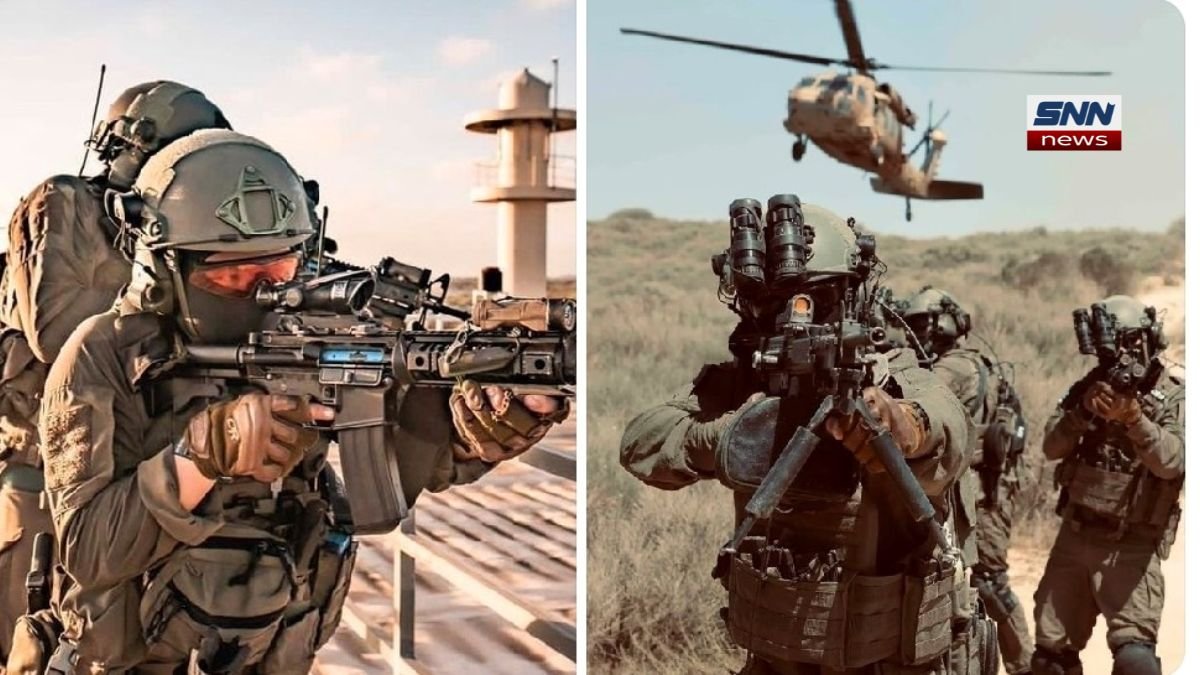
In a daring operation that captured international attention, two elite Israeli commando units reportedly assisted in a 36-hour mission aimed at rescuing a missing U.S. F-15 pilot from Iranian territory.
The mission underscores growing tensions in the region and highlights the use of specialized forces in complex cross-border operations.
Who Were Involved in the Rescue Effort?
According to military sources, the operation involved members of Israel’s Unit 5101, more commonly known as Shaldag, and Sayeret Matkal, Israel’s premier special forces unit.
Both units are renowned for their expertise in clandestine operations, intelligence gathering, combat search and rescue, and executing high-risk missions deep within hostile environments.
- Shaldag: Specializes in forward air control, reconnaissance, and rapid-response operations.
- Sayeret Matkal: Known for intelligence-driven missions, hostage rescues, and counterterrorism operations.
- Mission
These units have historically played pivotal roles in operations where precision and secrecy are critical.
Their involvement in a U.S.-led rescue mission demonstrates a rare instance of close cooperation between American and Israeli forces in an operational setting.
What Happened During the Mission?
Reports indicate that the operation lasted approximately 36 hours and involved multiple coordinated maneuvers.
A U.S. military helicopter, central to the rescue attempt, reportedly came under fire from Iranian forces.
Despite the hostile conditions, the helicopter was able to return safely to base, averting a potential international crisis.
Officials have not confirmed whether the pilot was recovered successfully, but sources suggest that the mission was conducted with meticulous planning to minimize risks to personnel and avoid escalation with Iranian military units.
Background and Regional Context
The Middle East has long been a hotspot for military tensions involving the United States, Israel, and Iran.
Incidents involving military aircraft and personnel in contested airspace are particularly sensitive due to the potential for rapid escalation.
- U.S.-Iran Relations: Tensions have periodically flared over issues such as nuclear programs, sanctions, and military deployments in the Gulf region.
- Israel’s Strategic Role: Israel maintains a network of elite units capable of rapid deployment for intelligence and rescue missions, often collaborating with allies on high-risk operations.
- F-15 Pilots and Combat Risks: U.S. F-15 pilots operating near conflict zones face significant dangers, making rapid-response rescue capabilities essential.
- Mission
This operation also highlights the increasing reliance on specialized forces for missions that require precision, discretion, and rapid adaptability.
Implications of the Rescue Attempt
Military analysts note several implications of the reported operation:
- Strengthened U.S.-Israel Military Cooperation: The collaboration reflects deepening defense ties and shared strategic interests in the region.
- Demonstration of Military Readiness: The mission underscores the ability of both nations to deploy elite forces quickly for high-stakes scenarios.
- Potential Diplomatic Repercussions: Any cross-border military action in Iran carries the risk of heightened tensions, which could affect broader geopolitical dynamics.
Experts also emphasize the importance of intelligence integration, as such missions rely heavily on accurate, real-time information to avoid unintended casualties or international incidents.
How Elite Units Operate in High-Risk Environments
Units like Shaldag and Sayeret Matkal are trained for operations that go beyond conventional military strategies. Key operational capabilities include:
- Stealth Infiltration: Penetrating enemy territory undetected.
- Targeted Rescue Operations: Extracting personnel from high-risk zones.
- Real-Time Intelligence Analysis: Gathering actionable intelligence to inform mission decisions.
- Advanced Combat Techniques: Specialized training in urban warfare, air-ground coordination, and counterterrorism tactics.
These capabilities make such units uniquely suited for missions where conventional forces might face higher risk or operational constraints.
Public and Strategic Significance
The reported mission has implications beyond the immediate military context:
- Public Awareness: News of the rescue effort demonstrates the high stakes and risks faced by military personnel in conflict-prone regions.
- Military Strategy: Successful coordination between U.S. and Israeli forces may set a precedent for future joint operations.
- Regional Stability: While intended to protect personnel, such operations can also influence broader strategic calculations among neighboring states.
Observers note that transparency in reporting on these missions is limited, often due to security concerns. However, verified details help the public understand the complex nature of modern military operations.
Conclusion
The 36-hour rescue operation involving Israeli commandos highlights the intersection of expertise, precision, and international military collaboration.
While full details remain classified, the mission illustrates the evolving role of elite units in safeguarding personnel and projecting strategic capabilities in volatile regions.
As tensions continue in the Middle East, such operations underscore the delicate balance between tactical necessity, regional diplomacy, and the protection of human life.
The world watches closely as nations navigate the challenges of military engagement, intelligence coordination, and rapid response in conflict zones.
This mission highlights the strategic cooperation between U.S. and Israeli forces in high-risk operations.
About The Author