
By Hammad Kahlun
Scandinavian News Finland
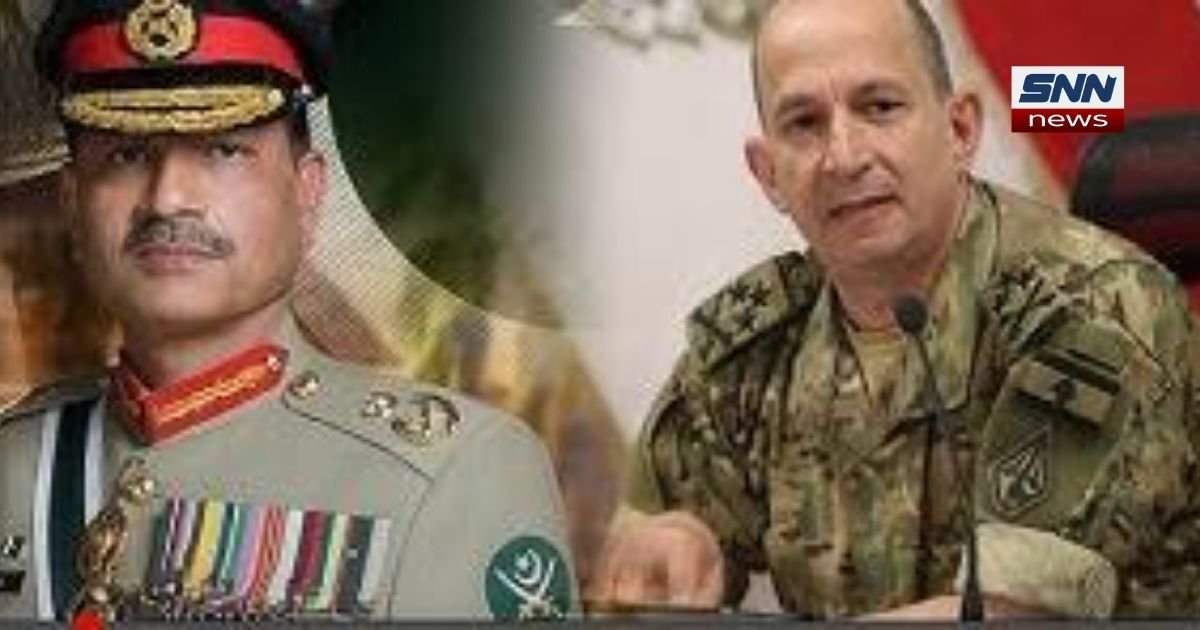
General Rodolphe Haykal meets Field Marshal Asim Munir in Islamabad, signalling a deepening of Lebanon–Pakistan military ties amid Pakistan’s active diplomatic role in the Middle East.
Official Visit to Islamabad
Lebanon’s Army Commander, General Rodolphe Haykal, has arrived in Pakistan on an official visit at the personal invitation of Chief of Army Staff and Chief of Defence Forces, Field Marshal Syed Asim Munir.
The visit Haykal marks a significant step in military-to-military engagement between the two countries.
The trip underscores the growing importance Pakistan holds as a regional interlocutor, with Islamabad hosting senior military figures from the broader Middle East during a period of heightened diplomatic activity.
Pakistan Positions Itself as Key Broker in US-Iran Standoff
The visit is directly linked to Pakistan’s ongoing efforts to broker dialogue between the United States and Iran over the escalating Middle East conflict.
Islamabad Haykal has positioned itself as a neutral channel between Washington and Tehran, leveraging longstanding ties with both capitals.
Pakistan’s military leadership, under Field Marshal Munir, has been actively engaged in shuttle diplomacy aimed at de-escalating tensions that have drawn in multiple regional actors, including Lebanon a country directly affected by spillover from the broader conflict.
Lebanon’s Strategic Interest
For Lebanon, a country that shares borders with Israel and has experienced repeated episodes of conflict driven by regional power dynamics, Pakistan’s mediation framework carries direct relevance.
General Haykal’s presence in Islamabad signals Beirut’s interest in supporting or at minimum observing the diplomatic process underway.
The Lebanese Armed Haykal Forces have historically maintained professional ties with a range of international militaries, and this visit reflects the army’s effort to engage with partners playing active roles in regional conflict resolution.
Context: A Shifting Regional Landscape
The broader Haykal Middle East continues to face instability driven by the US–Iran rivalry, with proxy dynamics playing out across Lebanon, Iraq, Syria, and Yemen.
Pakistan’s decision to take on a mediating role reflects its own strategic calculus maintaining its relationships with both Western powers and Iran while advancing its standing Haykal as a responsible regional actor.
No joint statement had been issued at the time of publication. Haykal Further details on meeting outcomes and any formal agreements are expected to follow through official channels.
Pakistan’s US-Iran mediation efforts
About The Author