
By Hammad Kahlun
Scandinavian News Finland
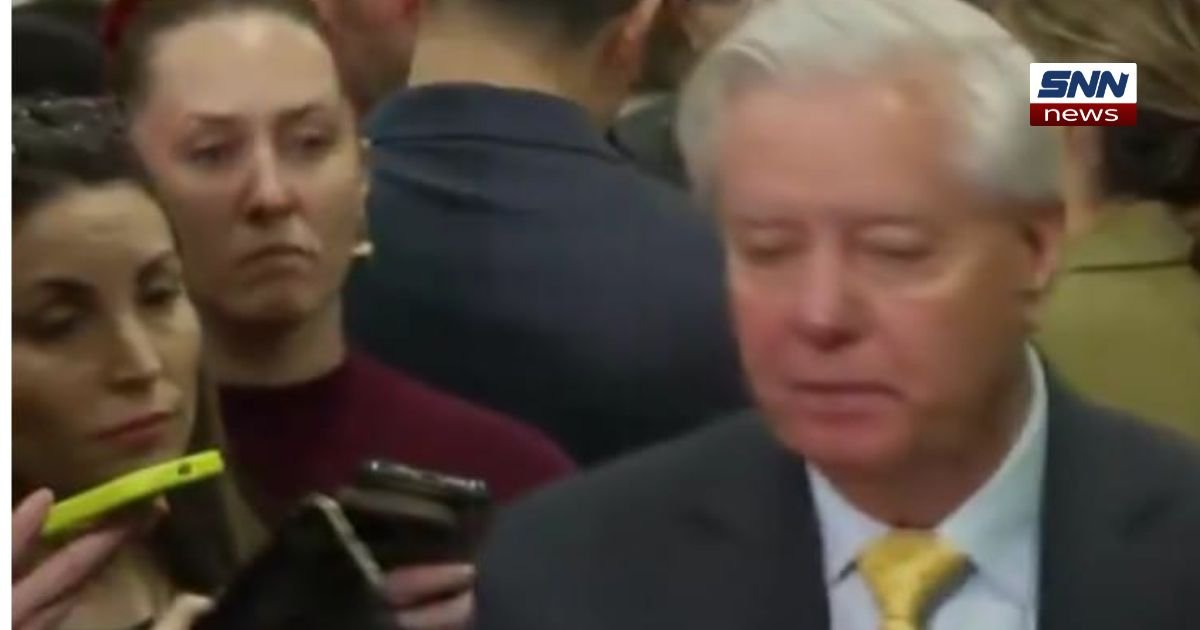
U.S. Senator Lindsey Graham has publicly called on former U.S. President Donald Trump to support Israel’s ongoing military operations in Lebanon, a statement
that has sparked debate in Washington and raised concerns about a possible widening of conflict in the Middle East.
The remarks come at a time of heightened tensions along the Israel-Lebanon border, where clashes between Israeli forces and armed groups have intensified in recent weeks.
Graham’s comments, delivered during a media appearance, urged stronger U.S. political and strategic backing for Israel as it confronts security threats from southern Lebanon.
Call for U.S. Support Amid Regional Escalation
Senator Lindsey Graham , a long-time advocate of a strong U.S.-Israel alliance, argued that American leadership should stand firmly with Israel as it faces cross-border attacks.
He suggested that Washington’s involvement, even if indirect, could act as a deterrent against further escalation.
While Lindsey Graham did not outline specific military actions for the United States, his appeal to Trump highlighted divisions within U.S. political circles over
how deeply America should be involved in Middle Eastern conflicts, particularly as violence near Lebanon continues.
Background: Rising Israel-Lebanon Tensions
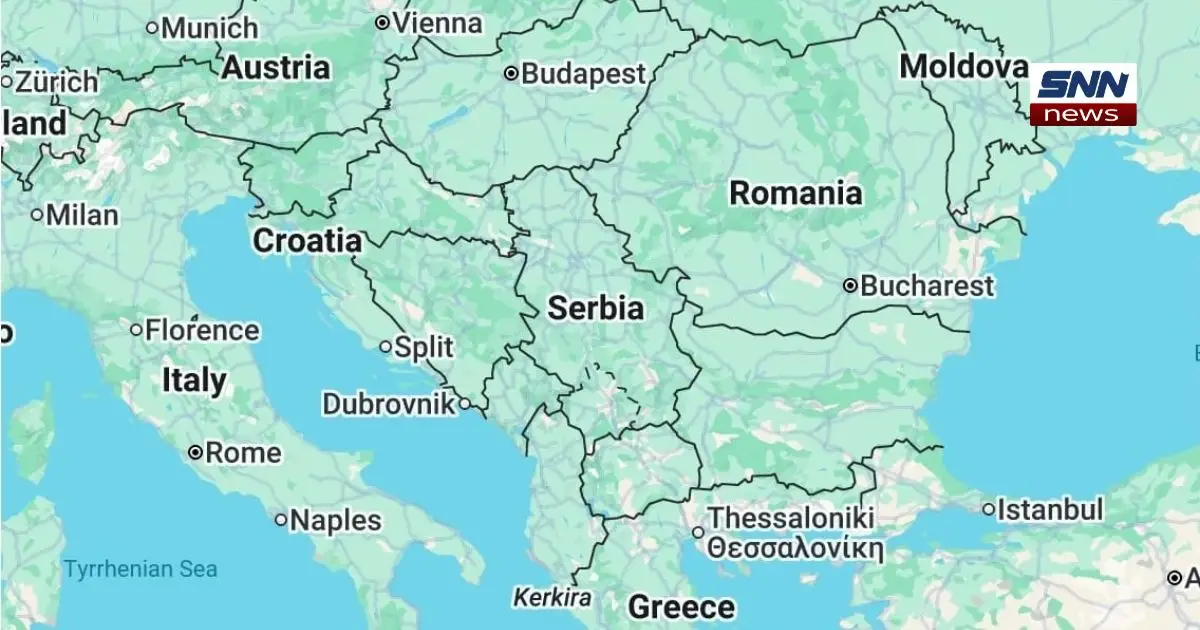
The current situation along the Israel-Lebanon border has been volatile for months. Exchanges of fire, drone activity, and artillery strikes have raised fears of a broader confrontation.
Israel has stated that its military actions are defensive, aimed at preventing attacks on its northern communities.
Key factors contributing to the tension include:
- Increased activity by armed groups operating from southern Lebanon
- Israeli air and ground responses targeting launch sites and infrastructure
- Regional instability linked to the wider Middle East security environment
- Lindsey Graham
Defense analysts warn that any miscalculation could quickly draw multiple regional actors into a larger conflict.
Trump’s Position and Political Context
Donald Trump, who is seeking to maintain influence within the Republican Party, has not formally responded to Graham’s call.
During his presidency, Trump emphasized strong support for Israel, including recognition of Jerusalem as Israel’s capital and brokering normalization agreements between Israel and several Arab states.
However, Trump has also promoted an “America First” approach, often expressing reluctance to involve U.S. forces in prolonged overseas conflicts.
This makes Lindsey Graham appeal politically significant, as it touches on an ongoing debate within conservative circles about foreign intervention versus strategic restraint.
U.S. Policy and Military Implications
The United States maintains a long-standing security partnership with Israel, providing military aid, intelligence cooperation, and diplomatic support.
Any shift toward deeper involvement in Israel’s actions in Lebanon could have far-reaching consequences.
Potential implications include:
- Increased diplomatic pressure on Washington from allies and international organizations
- Heightened security risks for U.S. personnel and interests in the region
- Greater instability affecting global energy markets and trade routes
- Lindsey Graham
U.S. officials have so far emphasized the importance of avoiding a wider regional war while supporting Israel’s right to self-defense.
International and Regional Reactions
Lindsey Graham,s comments have drawn mixed reactions. Some lawmakers and commentators agree that strong backing for Israel is necessary to maintain regional deterrence.
Others caution that encouraging deeper involvement could inflame tensions and undermine diplomatic efforts.
Internationally, calls for restraint have grown louder. European leaders and the United Nations have urged all sides to de-escalate and protect civilian populations, warning that conflict in southern Lebanon could have devastating humanitarian consequences.
Public Impact and Broader Significance
For American audiences, the debate reflects broader questions about the country’s role on the global stage. Public opinion in the United States remains divided, with many voters wary of new military entanglements abroad.
In the Middle East, the situation is being closely watched by neighboring countries concerned about spillover effects. Any expansion of fighting could displace civilians, strain regional economies, and further complicate already fragile security conditions.
What Comes Next
As fighting continues near the Israel-Lebanon border, attention will remain focused on Washington’s next moves. Whether Trump responds directly to Graham’s appeal or U.S. policy remains unchanged,
the statements underscore how closely U.S. domestic politics are intertwined with Middle Eastern security dynamics.
Analysts stress that diplomatic engagement, alongside measured security policies, will be critical in preventing the conflict from escalating further.
The coming weeks are likely to test regional stability and the balance between political rhetoric and practical policy decisions.
The situation remains fluid, with developments expected as regional actors, U.S. leaders, and international stakeholders weigh their options in an increasingly complex security environment.
Read more on Lindsey Graham’s recent statements and his stance on U.S. foreign policy in the Middle East.
About The Author