
By Shumaila Aslam
Bureau Chief Pakistan,
Scandinavian News Finland
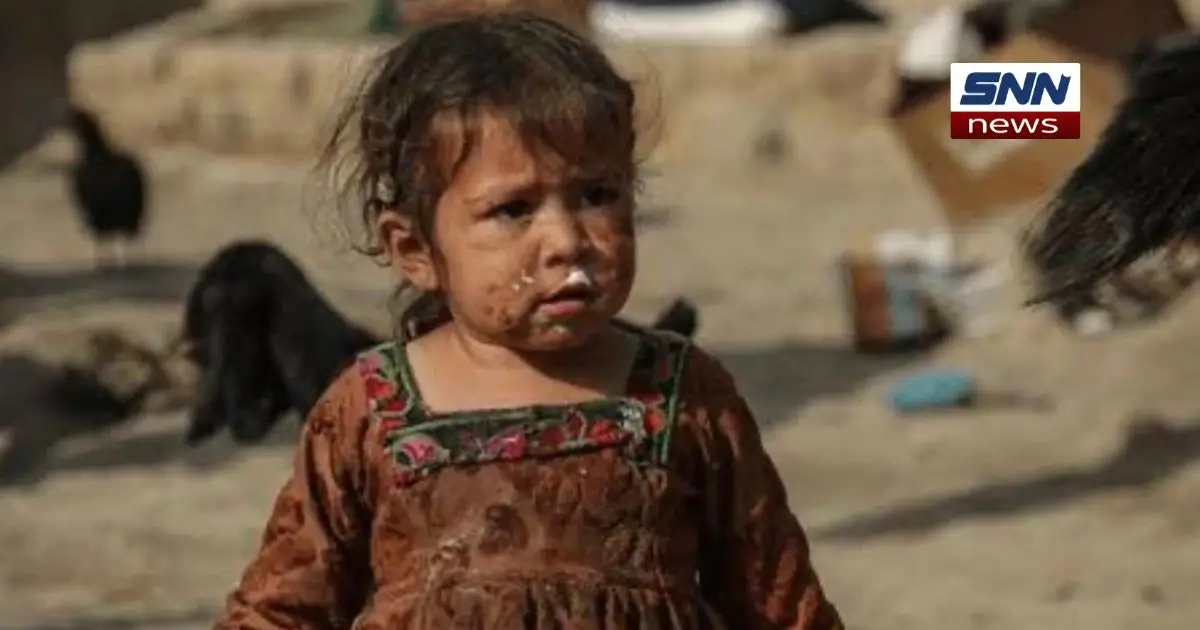
Afghanistan is facing a deepening humanitarian emergency as Millions of Afghan Children suffer from severe malnutrition, driven by chronic poverty, prolonged conflict, and a critical shortage of international funding.
Aid agencies warn that without urgent financial support, the situation could deteriorate further, putting an entire generation at risk.
According to the World Food Programme, nearly four Millions of Afghan Children are currently affected by malnutrition, many of them facing life-threatening conditions.
The agency has cautioned that millions of young lives remain in danger as humanitarian operations struggle to keep pace with growing needs.
Funding Shortfalls Leave Millions Without Aid
Afghan media reports indicate that due to a severe lack of funds, the basic needs of approximately 17.4 million people across the country cannot be met.
This includes access to food, nutrition services, healthcare, and clean water. Humanitarian organizations say funding gaps have forced them to scale back assistance programs at a time when demand is at its highest.
Afghanistan’s economy has been under immense strain since years of conflict, political instability, and international sanctions.
Rising unemployment and inflation have pushed many families into extreme poverty, leaving parents unable to provide sufficient food for their children.
Children in Remote Areas Most at Risk
The crisis is particularly severe in remote and rural areas, where access to healthcare and nutrition treatment centers is limited.
Afghan media reports that many malnourished children are unable to reach medical facilities due to long distances, poor infrastructure, and lack of transportation.
Health workers say that delays in treatment significantly increase the risk of complications, including stunted growth, weakened immune systems, and death.
In some regions, families must travel for hours—or even days—to reach the nearest health center, a journey many cannot afford.
Warning From the World Food Programme
The World Food Programme has repeatedly warned that the lives of millions of Afghan children are at stake.
The agency says it is doing everything possible to continue lifesaving nutrition programs, but dwindling resources threaten their ability to operate at full capacity.
WFP officials stress that malnutrition in early childhood has long-term consequences, affecting physical development, cognitive abilities, and future economic productivity.
Without immediate intervention, the crisis could have lasting effects on Afghanistan’s social and economic stability.
Root Causes of the Malnutrition Crisis
Several factors are contributing to the widespread malnutrition in Afghanistan, including:
- Economic collapse: Loss of jobs and income has reduced families’ ability to buy food.
- Reduced international aid: Funding cuts have limited humanitarian operations.
- Healthcare access issues: Many clinics lack supplies, staff, or funding.
- Climate challenges: Droughts and harsh winters have affected food production.
- Millions of Afghan Children
These combined pressures have left millions of households struggling to survive, with children being the most vulnerable.
Impact on Women and Families
Mothers and caregivers are also heavily affected by the crisis. Malnourished mothers are more likely to give birth to underweight babies, perpetuating a cycle of poor health and poverty.
Aid workers report increasing cases of women skipping meals so their children can eat, highlighting the severe food insecurity faced by families.
Community leaders say that without sustained assistance, coping mechanisms such as child labor and early marriages could increase as families attempt to survive.
International Response and Urgent Needs
Humanitarian agencies continue to call on the international community to increase funding for Afghanistan. They emphasize that timely financial support can prevent further loss of life and help stabilize communities.
Key priorities identified by aid organizations include:
- Expanding nutrition programs for children and mothers
- Restoring and supporting local health facilities
- Improving access to treatment in remote areas
- Ensuring consistent food assistance for vulnerable families
- Millions of Afghan Children
Aid groups warn that delays in funding will result in more children slipping into severe malnutrition, making recovery more difficult and costly.
A Humanitarian Crisis With Global Implications
The situation in Afghanistan is not only a national emergency but also a global humanitarian concern. Experts say prolonged instability and widespread hunger could lead to increased displacement and long-term regional challenges.
As winter conditions and economic pressures continue, the coming months are expected to be critical. Without immediate and sustained international support, millions of Afghan children may continue to suffer from preventable hunger and disease.
Humanitarian organizations stress that the crisis is solvable with adequate resources and coordinated action.
They urge global donors to act swiftly to protect the most vulnerable and prevent a further escalation of one of the world’s most severe child malnutrition emergencies.
Millions of Afghan children are facing a growing malnutrition crisis as funding shortages threaten lifesaving humanitarian aid.
About The Author