
By Shumaila Aslam
Scandinavian News Finland
Bureau Chief Pakistan
Introduction: Reported Injury of Iran’s Alleged Successor Raises Global Attention
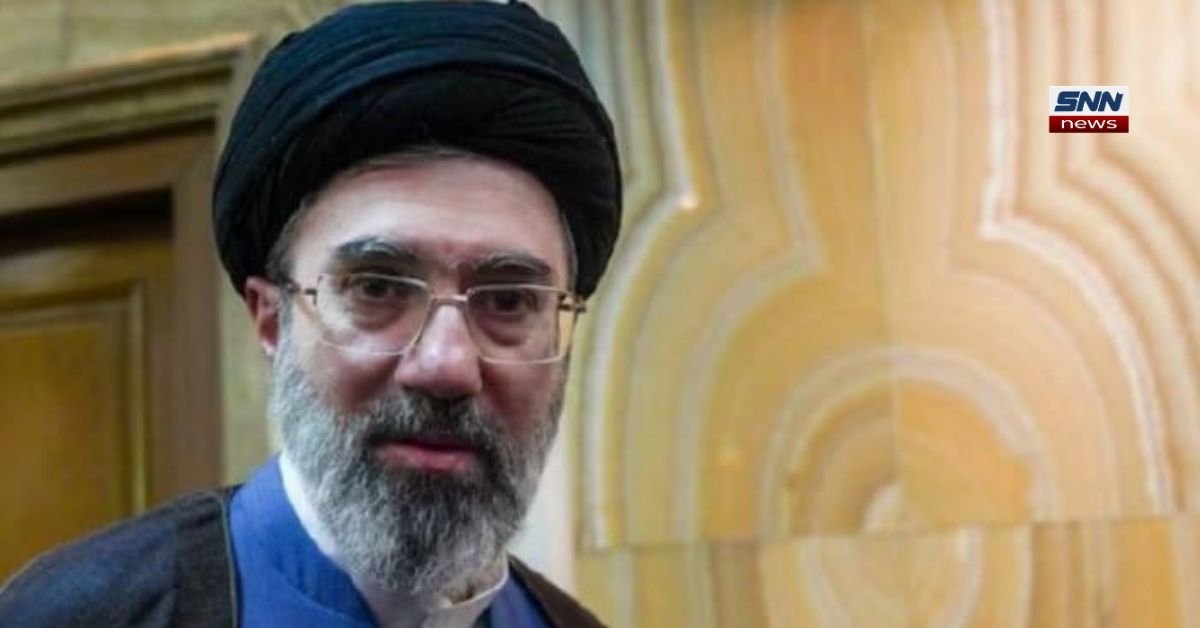
Mojtaba Khamenei political leadership has come under renewed international scrutiny following reports that , widely viewed by analysts as a key figure in Iran’s succession structure, suffered serious injuries in an airstrike in Tehran.
According to sources cited in a Reuters report, the attack targeted the Supreme Leader’s residence in central Tehran and resulted in severe facial and leg injuries.
The reports claim that despite his condition, Mojtaba Khamenei remains mentally capable and continues to take part in high-level decision-making processes.
He is said to be participating in meetings through audio links and remains involved in discussions related to national security, ongoing regional tensions, and diplomatic engagement with the United States.
While Iranian authorities have not publicly confirmed the details, the incident has raised significant questions about leadership continuity, internal stability, and the future structure of power in Iran.
Background: Iran’s Leadership Structure and Succession Debate
Iran operates under a unique political system where ultimate authority rests with the Supreme Leader, a position currently held by Ayatollah Ali Khamenei. The question of succession has long been a sensitive and closely guarded issue within Iran’s political elite.
Mojtaba Khamenei, the son of the current Supreme Leader, has often been mentioned in political analysis as a potential influential figure in the post-Khamenei era. However, no official designation or public appointment has confirmed him as successor.
Key elements of Iran’s leadership framework include:
- The Supreme Leader holds authority over military, judiciary, and state institutions
- The Assembly of Experts is formally responsible for selecting the next leader
- Succession decisions are typically conducted behind closed doors
- Political and religious legitimacy plays a central role in leadership selection
- Mojtaba Khamenei
The latest reports, if accurate, could significantly influence ongoing discussions about Iran’s future leadership transition.
Details of the Reported Airstrike and Injuries
According to multiple sources familiar with internal developments, the airstrike reportedly struck a residential or secure facility associated with Iran’s Supreme Leader in central Tehran.
The incident allegedly resulted in severe injuries to Mojtaba Khamenei, including facial trauma and damage to one or both legs.
A source familiar with US intelligence assessments further claimed that Khamenei lost a leg in the attack, though this detail has not been independently verified by Iranian officials.
Reports suggest:
- The strike targeted a high-security area in Tehran
- Mojtaba Khamenei sustained serious injuries
- Medical treatment was provided immediately following the incident
- The severity of injuries varies across different accounts
- Mojtaba Khamenei
Despite the seriousness of the claims, no official Iranian media outlet has released confirmation, photographs, or medical statements related to the incident.
Health Condition and Reported Role in Governance
Despite the reported injuries, sources indicate that Mojtaba Khamenei continues to play an active role in political discussions. He is described as mentally alert and engaged in strategic decision-making, particularly in areas involving national security and foreign policy.
According to individuals familiar with his activities:
- He participates in meetings through remote audio communication
- He remains involved in war-related strategic discussions
- He contributes to decision-making on diplomatic negotiations
- His condition does not reportedly affect his cognitive abilities
- Mojtaba Khamenei
These claims suggest that while physically impacted, his political influence has not been eliminated. However, the lack of official confirmation makes it difficult to independently verify the extent of his involvement.
Intelligence Assessments and Verification Challenges
The reports surrounding Mojtaba Khamenei’s condition are primarily attributed to unnamed sources and intelligence-related claims.
As with many high-level security incidents in Iran, independent verification remains limited due to restricted media access and state-controlled information channels.
Challenges in confirming the situation include:
- Absence of official Iranian government statements
- No publicly released medical reports or imagery
- Limited access for international journalists
- Conflicting accounts from different sources
- Mojtaba Khamenei
Intelligence assessments, particularly those cited in international reporting, often rely on indirect information, satellite analysis, or insider testimony, which may not always be independently confirmable in real time.
Political Implications for Iran and International Relations
If confirmed, the reported incident could carry significant implications for Iran’s internal political dynamics and its foreign policy posture.
The leadership structure in Iran is already under pressure due to regional conflicts, economic challenges, and ongoing tensions with Western governments.
Potential implications include:
- Increased uncertainty regarding leadership succession
- Possible internal power realignments within elite circles
- Greater sensitivity in Iran-US diplomatic negotiations
- Heightened security measures around senior leadership
- Mojtaba Khamenei
Relations between Tehran and Washington remain particularly complex, with ongoing discussions often influenced by military developments in the Middle East. Any instability within Iran’s top leadership could further complicate diplomatic efforts.
Media Silence and Information Control Inside Iran
One of the most notable aspects of the situation is the absence of official media coverage or confirmation from Iranian state institutions. No photographs, videos, or audio recordings of Mojtaba Khamenei have been released since the reported incident.
Observers note that:
- State media has not acknowledged the reported strike
- No verified public appearance has been made
- Information remains tightly controlled
- Independent reporting is highly restricted
- Mojtaba Khamenei
This lack of transparency has fueled speculation internationally, while also making it difficult to distinguish between confirmed facts and intelligence-based reporting.
Public and Regional Impact of the Reports
Although the situation remains unverified officially, the reports have already drawn attention from political analysts, regional observers, and international security experts. Iran’s role in regional geopolitics means that any potential instability within its leadership structure is closely watched.
Key areas of concern include:
- Stability of Iran’s military and political command structure
- Impact on ongoing regional conflicts involving Iran-backed groups
- Possible shifts in strategic decision-making
- Reactions from neighboring countries and global powers
In a region already marked by heightened tensions, even unconfirmed developments of this nature can influence diplomatic calculations and security planning.
Conclusion: Uncertainty Surrounds a Sensitive Political Development
At present, the reported injuries to Mojtaba Khamenei remain unconfirmed by Iranian authorities, and public information remains limited to anonymous sources and intelligence-linked claims.
While the reports suggest that he continues to participate in governance discussions despite serious injuries, the lack of official verification leaves many questions unanswered.
What remains clear is that Iran’s leadership structure is once again under international focus, with succession dynamics and internal stability becoming key points of global attention.
Further confirmation from official sources will be necessary to fully understand the scope and impact of the reported incident.
Iran political crisis, Middle East security updates, Iran leadership succession news, Tehran airstrike reports, US Iran relations developments
About The Author