
By Hammad Kahlon
Scandinavian News Finland
SNN News Finland
Sandu Says True Peace Is Earned by Those Who Suffer and Sacrifice During War
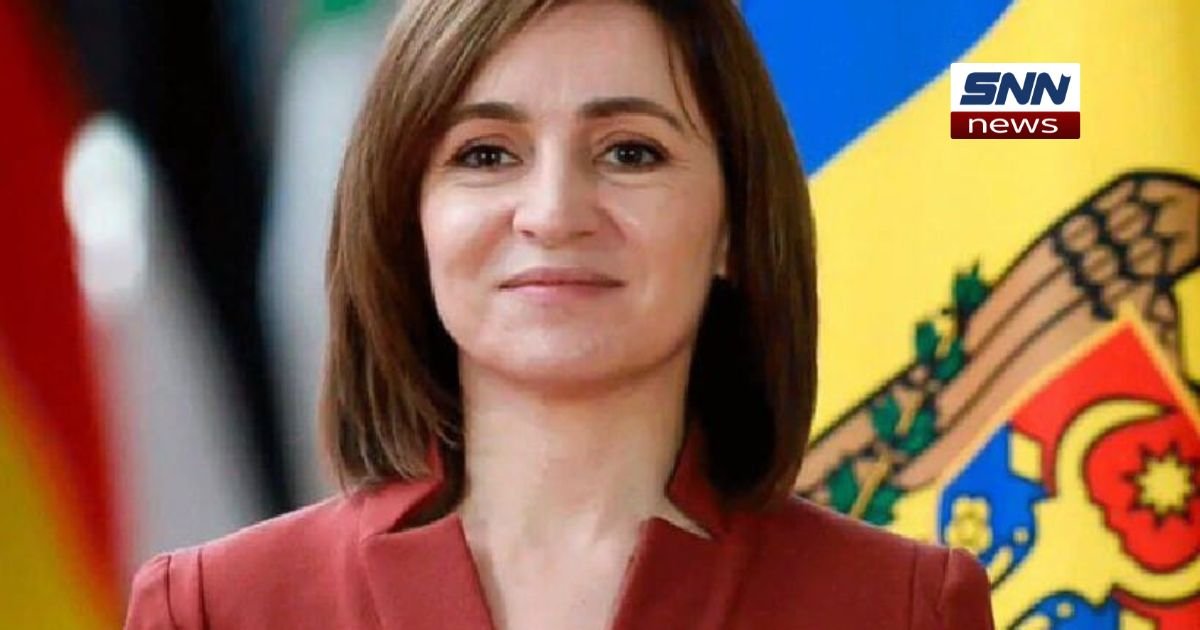
Moldovan President Maia Sandu has declined a nomination for the Nobel Peace Prize, saying the honor should instead be awarded to Ukrainian prisoners of war who have endured captivity and suffering during Russia’s ongoing invasion of Ukraine.
Her remarks came after she witnessed the return of Ukrainian prisoners released from Russian custody, an experience she described as deeply emotional and sobering.
The nomination was proposed by Norwegian Member of Parliament Arild Hermstad, who praised Sandu’s leadership in defending democracy
and peace in Moldova, as well as her efforts to resist Russia’s attempts to destabilize former Soviet states. While acknowledging the gesture, Sandu firmly rejected the idea that she should receive the award.
They Are the True Bearers of Peace’s Highest Honor
Speaking publicly about the nomination, President Maia Sandu said the scenes of returning Ukrainian prisoners made it clear to her who truly represents peace.
“I saw Ukrainian prisoners who have finally come back from Russian captivity,” Maia Sandu stated. “These are the individuals who truly merit recognition with the Peace Prize.”
They give their lives for peace because they want to bring it back to their country, to their villages and cities, and to our continent.”
Her statement shifted attention away from political leadership and toward the human cost of war.Maia Sandu emphasized that peace is not an abstract idea but something paid for through suffering, resilience, and personal sacrifice.
Background: Why Sandu Was Nominated
Arild Hermstad, a Norwegian lawmaker from the Green Party, nominated Maia Sandu for the Nobel Peace Prize based on her role in safeguarding democratic institutions in Moldova during a period of regional instability.
In his nomination, Hermstad highlighted Maia Sandu’s consistent support for democratic reforms and her firm opposition to corruption and foreign interference.
Key reasons cited in the nomination included:
- Sandu leadership in strengthening Moldova’s democratic system
- Her resistance to Russian political and economic pressure
- Moldova’s support for Ukraine following Russia’s invasion
- Efforts to maintain peace and stability in a fragile geopolitical environment
Despite these factors, Sandu made it clear she did not believe political leaders should be the focus of recognition at a time of war.
Moldova’s Role in a Region Under Pressure
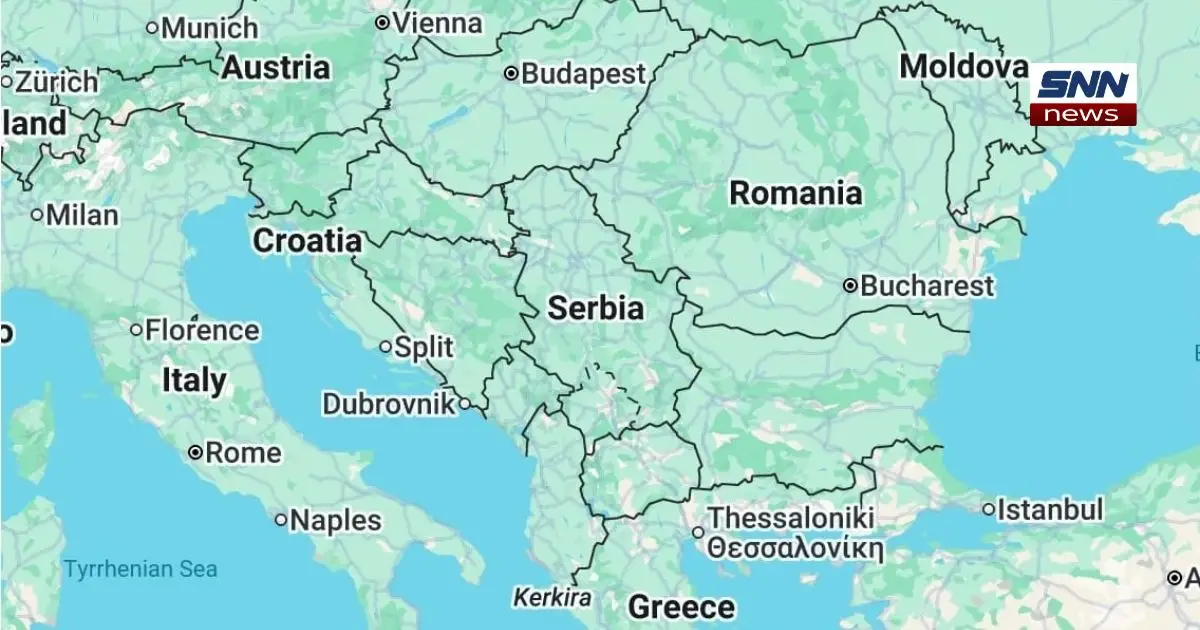
Moldova, a small Eastern European country bordering Ukraine, has been significantly affected by the war since 2022.
Although not directly involved in the conflict, the country has faced energy shortages, disinformation campaigns, and political pressure linked to Russia’s influence, particularly in the separatist region of Transnistria.
Under Sandu presidency, Moldova has taken several steps to protect its sovereignty and democratic direction, including:
- Deepening cooperation with the European Union
- Supporting Ukrainian refugees fleeing the war
- Condemning violations of international law
- Strengthening institutions against foreign interference
These actions have placed Sandu among the most visible pro-democracy leaders in Eastern Europe.
Focus on Ukrainian Prisoners of War
Sandu’s remarks have also brought renewed attention to the condition of Ukrainian prisoners of war, many of whom have reported abuse, poor detention conditions, and psychological trauma while in captivity.
International human rights organizations have repeatedly raised concerns about violations of the Geneva Conventions related to the treatment of prisoners.
Reported concerns include:
- Physical and psychological abuse
- Limited access to medical care
- Delays in prisoner exchanges
- Restricted access for international monitors
The return of Ukrainian prisoners has often been marked by visible signs of hardship, reinforcing calls for stronger international oversight and accountability.
International and Public Reaction
Political analysts and observers say Sandu’s decision reflects a broader ethical position rather than a diplomatic one. By declining the nomination, she reinforced her image as a leader focused on moral responsibility rather than personal recognition.
Experts note that her stance:
- Highlights the human cost behind geopolitical conflicts
- Aligns with international calls for prisoner protection
- Strengthens Moldova’s credibility on human rights issues
While the Nobel Committee does not comment publicly on nominations, Sandu’s response has resonated across Europe, particularly among human rights advocates and policymakers.
A Broader Message About Peace
President Sandu’s rejection of the Nobel Peace Prize nomination sends a clear message about how peace should be understood during times of war. Rather than associating peace with political achievement or titles, she framed it as something earned through endurance and sacrifice by ordinary people.
Her words serve as a reminder that behind diplomatic discussions and international forums are individuals whose lives have been deeply affected by conflict.
As the war in Ukraine continues, Sandu’s statement underscores the importance of recognizing those who bear the greatest burden of war.
By redirecting attention to Ukrainian prisoners of war, Sandu has reinforced a central principle of international humanitarian law: that human dignity and suffering must remain at the heart of any discussion about peace.
Sandu’s remarks come amid her continued criticism of Moscow’s role in obstructing peace efforts in Eastern Europe, a stance she has repeatedly highlighted in previous statements.
About The Author