
By Hammad Kahlun
Scandinavian News Finland
NATO has kicked off its largest military exercise of 2026, Operation Steadfast Dart 26, along the Baltic Exercise Sea coast, notably without the participation of the United States.
The maneuvers mark a significant test of NATO’s rapid deployment capabilities amid growing regional security concerns.
Exercise Overview: Where and How
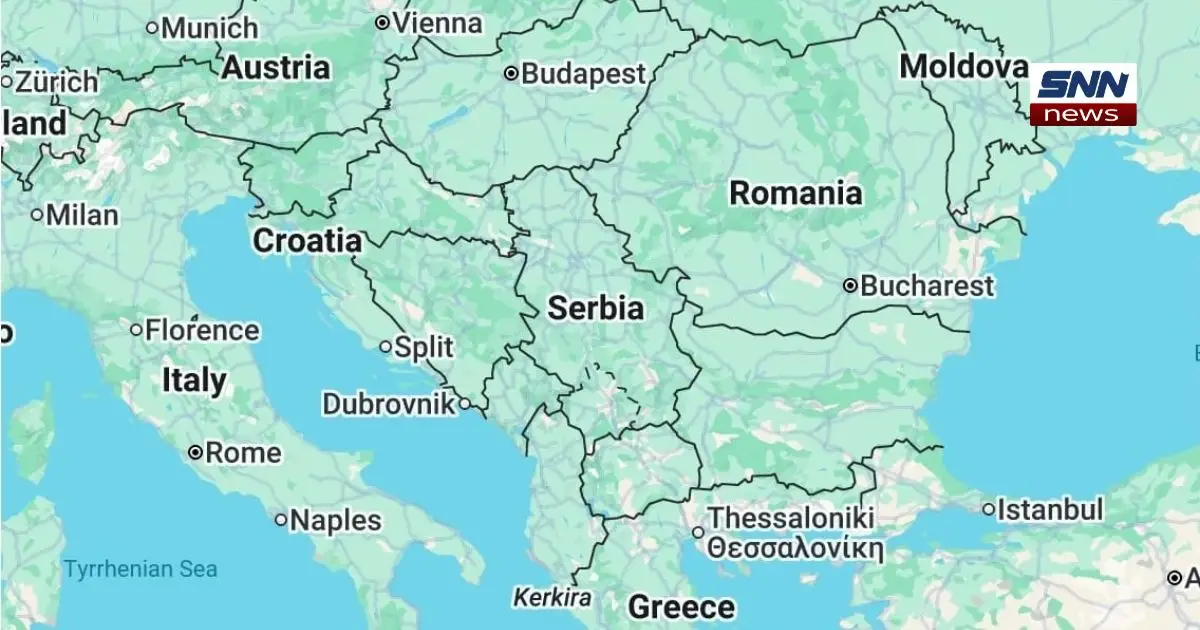
The operation began in Schleswig-Holstein, Germany, with NATO’s rapid reaction forces landing at the Putlos training ground near the German island of Fehmarn.
The drills are designed to practice swift troop deployment from southern Europe to NATO’s eastern flank, reflecting strategic priorities in response to potential crises in the region.
Scale and Participants
The exercise is substantial, involving:
- 10,000 troops from 13 NATO member states
- 1,500 units of military equipment
- 17 naval ships
- A specific focus on 15 ships and approximately 2,600 soldiers during the initial landings
- Baltic Exercise
The largest contingents have been contributed by Turkey, Spain, Italy, and Greece, highlighting NATO’s southern European strength.
German Defense Minister Boris Pistorius is personally overseeing the maneuvers, signaling Germany’s leadership role in coordinating the exercise.
Strategic Significance
Operation Steadfast Dart 26 is designed to test the readiness of NATO’s Allied Reaction Force (ARF), often referred to as the alliance’s “tip of the spear.” The ARF must be capable of deploying up to 40,000 troops within ten days if a crisis emerges.
The decision to mobilize the ARF rests with the NATO North Atlantic Council, which assesses threats and authorizes rapid response actions.
This exercise allows NATO members to practice coordination, logistics, and rapid troop movement under realistic conditions, particularly on the eastern flank, which remains sensitive given geopolitical tensions.
Why the U.S. Absence Matters
The absence of the United States, traditionally NATO’s largest contributor, is notable. While U.S. troops are not directly participating, the exercise still demonstrates NATO’s ability to operate and coordinate independently. Analysts suggest this could signal:
- A shift toward greater European self-reliance in regional defense
- Increased operational readiness among southern and eastern European NATO members
- Strengthening of NATO’s collective defense posture without full U.S. involvement
- Baltic Exercise
This could be a strategic message amid ongoing global tensions and reflects NATO’s adaptability in crisis scenarios.
Regional and Global Implications
The Baltic region has become a key focus for NATO due to its proximity to Russia and ongoing security concerns in Eastern Europe. Exercises like Steadfast Dart 26 aim to:
- Reinforce deterrence along NATO’s eastern border
- Improve rapid deployment and logistical coordination among member states
- Showcase NATO’s multinational military cooperation to potential adversaries
- Baltic Exercise
For member countries, these drills also serve as training for joint operations, interoperability, and crisis management, enhancing both preparedness and credibility.
Key Takeaways
- Largest NATO exercise of 2026 begins without U.S. participation
- Operation Steadfast Dart 26 focuses on rapid troop deployment to eastern Europe
- 10,000 troops, 1,500 equipment units, 17 ships from 13 countries involved
- Southern European countries contribute the largest contingents
- The Allied Reaction Force can deploy 40,000 troops within ten days
- The exercise strengthens NATO’s readiness and European self-reliance
- Baltic Exercise
Read more about NATO’s 2026 Baltic Exercise and its impact on European security.
About The Author