

By Shumaila Aslam,
Bureau Chief Pakistan
SNN News Finland
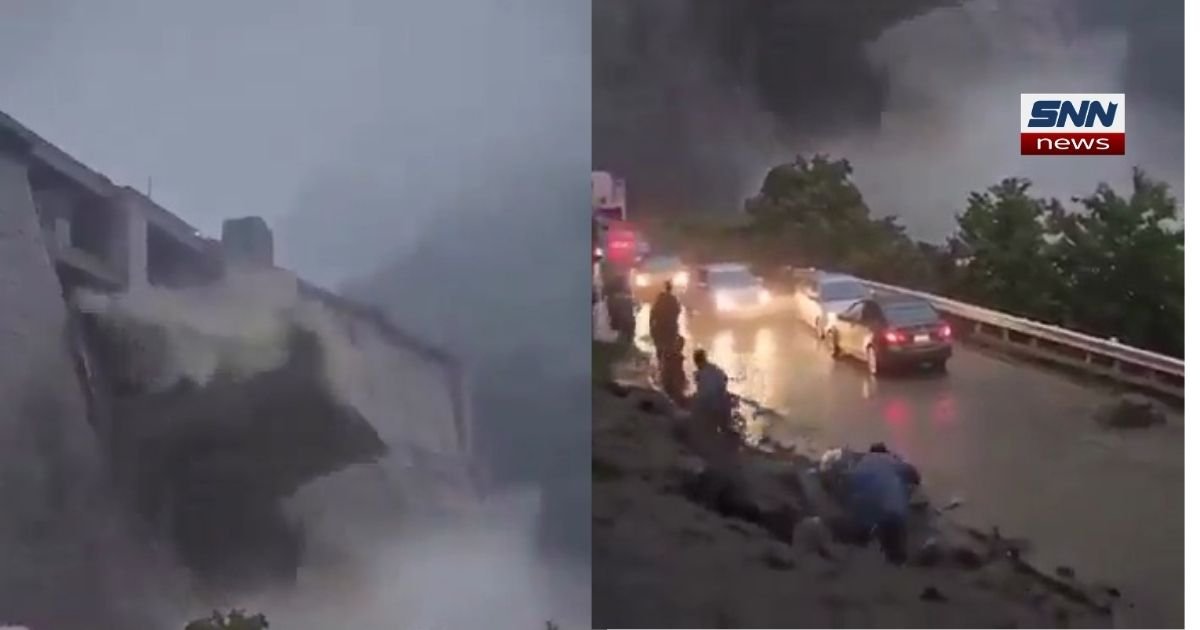
The Nepal dam collapse reported near the Tibet-Nepal border has intensified concerns over flooding, infrastructure damage and the potential loss of life, according to the information provided for this report.
The reported breach has affected roads and vehicles in the surrounding area, while the full scale of casualties and damage remains subject to confirmation. Claims linking the structures to China and allegations of substandard construction should also be independently verified through official authorities and reliable reporting before being presented as established facts.
Nepal Dam Collapse Raises Concerns Over Damage
The reported failure has created a potentially serious situation in an area where transport infrastructure can be vulnerable to sudden flooding and landslides.
According to the information available, water released following the breach swept across roads and carried away vehicles. Authorities would need to assess the affected areas before a reliable estimate of deaths, injuries and displaced residents can be established.
Emergency services and local authorities typically face significant challenges after major infrastructure failures, particularly when roads are damaged or access to affected communities becomes difficult.
Nepal Dam Collapse and Questions Over Construction
The information supplied for this report says that two dams involved in the wider situation were constructed by China. However, the specific names, construction dates, contractors and engineering records should be confirmed before assigning responsibility for the reported failures.
Criticism has reportedly emerged over construction standards, with opponents questioning whether infrastructure in the region was built to appropriate safety requirements.
Such allegations require evidence from engineering assessments, government investigations or other authoritative sources.
A dam failure by itself does not establish that poor construction was responsible, as structural failures can have multiple causes, including extreme weather, maintenance problems, design weaknesses or geological conditions.
Nepal Dam Collapse Could Increase Humanitarian Pressure
If the reported damage and casualties are confirmed, the incident could add pressure on Nepal’s emergency response system.
Flooding can disrupt roads, bridges, electricity supplies and communications, making rescue operations more difficult. Authorities may also need to inspect nearby infrastructure to determine whether additional structures face risks.
The potential humanitarian impact will depend on the number of communities affected and the extent to which transport links remain operational.
Key Facts
- A dam breach near the Tibet-Nepal border has reportedly caused serious infrastructure damage.
- Roads and vehicles were reportedly swept away by floodwaters.
- The supplied information says two dams were constructed by China.
- Claims about construction standards require independent investigation and evidence.
- The reported death toll and exact scale of destruction should be confirmed by Nepalese authorities.
- Nepal Dam Collapse
FAQs:
What happened near the Tibet-Nepal border?
A dam breach has reportedly caused flooding and damage to roads and vehicles. The exact circumstances require confirmation from official sources.
Were the dams built by China?
The information supplied for this report states that both dams were constructed by China. The identities and project details should be independently verified.
Has the death toll been confirmed?
No confirmed casualty figure is provided in the supplied information. Authorities should be relied upon for an official death toll.
Was poor construction responsible for the Nepal Dam Collapse?
That has not been established. Determining the cause requires technical investigation and evidence.
Could the damage affect more communities?
Further flooding or infrastructure damage could create additional risks, but the extent of any wider impact depends on local conditions and official assessments.
China’s Role Requires Evidence-Based Assessment
The supplied information also links the situation to wider criticism of China’s construction activities and international restrictions affecting access to certain materials.
However, those claims should not be treated as evidence that sanctions or trade restrictions caused, contributed to, or had any direct connection with the reported Nepal Dam Collapse failures.
China remains a major global infrastructure developer, including through projects in Asia. Any assessment of the safety of specific dams should be based on project records, engineering inspections, official investigations and verified evidence rather than broader political assumptions.
As authorities assess the damage, the immediate priority is establishing the facts: the exact location of the breach, the condition of surrounding infrastructure, the number of casualties and the cause of the failure.
Read more about the latest developments surrounding the Nepal Dam Collapse and its impact on communities near the Tibet-Nepal border.
About The Author